GEA 直接喷射 UHT 系统
与间接加热方式相比,GEA 直接蒸汽喷射 UHT 设备旨在为产品提供极低的热负荷。这种低热负荷有助于防止蛋白质 - 例如牛奶中的乳清蛋白质 - 维生素和其他成分变性或降解,从而更好地保留营养价值。较低的热影响也能更好地保留产品的色泽和风味,使其口感更加新鲜。
直接蒸汽喷射系统结合闪蒸冷却技术,通过蒸汽在产品中直接凝结实现 快速加热,而非间接加热。快速加热和冷却可进一步保留乳制品的原始鲜味。
蒸汽直接喷射到产品中,随着蒸汽凝结,其热量被传递给产品,使产品几乎瞬间被均匀加热至 140-150°C,并在该温度下保持 2-4 秒。加热后,产品在真空室中通过闪蒸快速冷却,从而去除冷凝蒸汽。
直接喷射和直接注入蒸汽 UHT 工艺的区别在于蒸汽引入产品的方式,这会影响产品质量以及设备设计。两种方法均能有效实现快速 UHT 处理,因此选择哪种方法取决于产品需求。
直接喷射 UHT
特征和优势
- 快速加热: 蒸汽直接喷射到产品中,实现超快速加热,使产品几乎瞬间达到灭菌温度,从而降低维生素、蛋白质和风味化合物等敏感成分的热损伤风险。
- 超短保温时间:产品在灭菌温度下保温时间极短,通常为几秒钟。
- 瞬间冷却: 在短时间高温保温后,通过闪蒸快速冷却产品,瞬间降低温度。
- 减少结垢: 快速加热和冷却过程可降低产品在热交换表面结垢的可能性,从而提高运行效率。
- 灵活性: GEA 直接蒸汽喷射技术可配置为处理多种液体产品,包括乳制品、燕麦饮料、奶油、果汁和其他饮料。
- 高处理量: GEA 喷射技术可配置为连续处理大批量产品(高达 40,000 l/h),适用于高需求生产环境。
- 提升产品质量: 短时间高温暴露有助于产品保鲜。


GEA 洞察
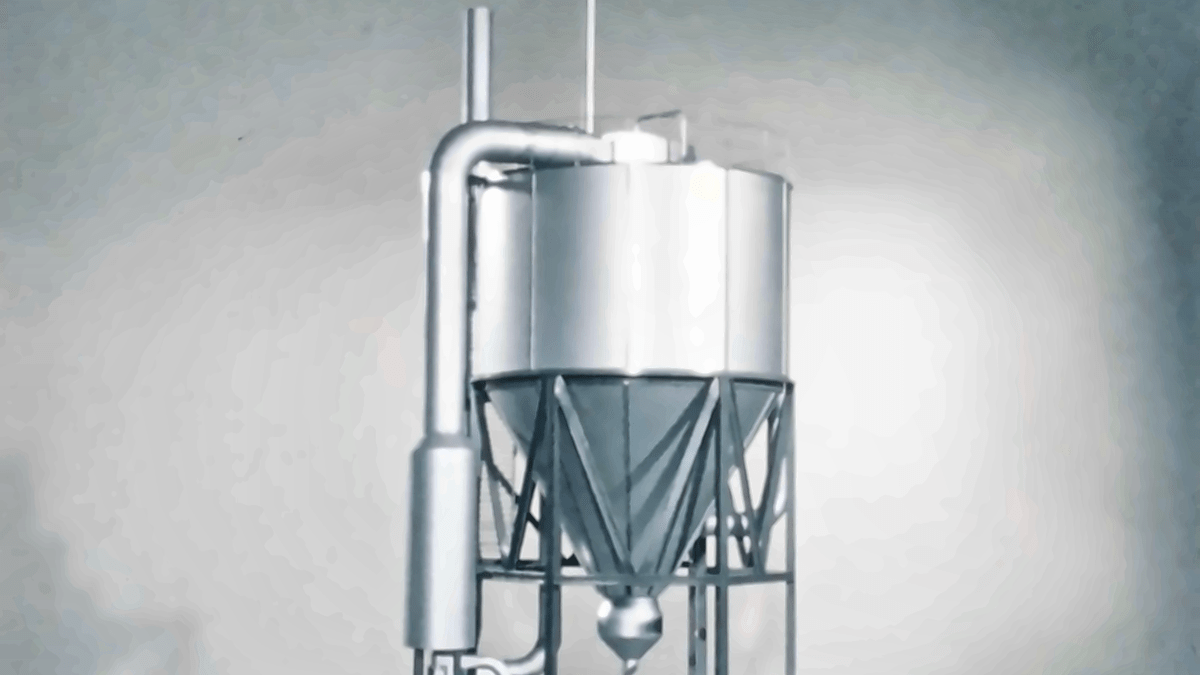
The breakthrough that changed spray drying
In 1976, NIRO engineers responded to a competitive challenge by rethinking what spray drying could do. Their idea became the multi-stage dryer MSD. Fifty years later, the same fundamental principle helps turn liquids into the powders used in essential nutrition products and important medicines around the world. Refined through decades of engineering expertise, customer insight and continuous development, MSD is a story of innovation with lasting impact.