

Key benefits of GEA coolant emulsion treatment
- Extended coolant life: Up to 4 to 5 times longer service intervals
- Reduced disposal costs: Lower volumes of waste coolant
- Minimized machine downtime: Reliable, continuous purification
- Improved hygiene: Cleaner working conditions and reduced risk of skin irritation
- Enhanced process efficiency: Optimized metalworking performance
Coolant emulsions in metalworking: Importance & challenges
Coolant emulsions are essential in metalworking as they reduce friction and forming energy, dissipate heat and flush away metal shavings during machining and forming operations. To perform these tasks, emulsions are complex mixtures of emulsifiers, stabilizers, corrosion inhibitors, high-pressure additives and mineral oil components. However, this complexity makes them prone to bacterial contamination and rapid degradation, especially when impurities like metal shavings and tramp fluids are present.
If left untreated, coolant emulsions can break down, causing acid formation, discoloration and even skin irritation for operators. Fast, effective removal of solids and tramp oil is essential to maintain coolant quality and ensure safe, efficient operations.
GEA’s solution: Simultaneous separation in a single step
GEA separators are engineered for seamless integration into your production process, enabling early, partial stream purification. Our technology simultaneously removes fine solids and tramp oil in a single cycle - extending coolant life by up to five times, minimizing machine downtime and improving hygiene as well as working conditions.
Partner with GEA for reliable performance
With GEA’s proven centrifugal technology and global service network, you can count on reliable, continuous purification of coolant emulsions - even in the most demanding industrial environments.
Contact GEA today to discover how our solutions can optimize your metalworking operations and protect your assets.


Downloads
GEA Insights
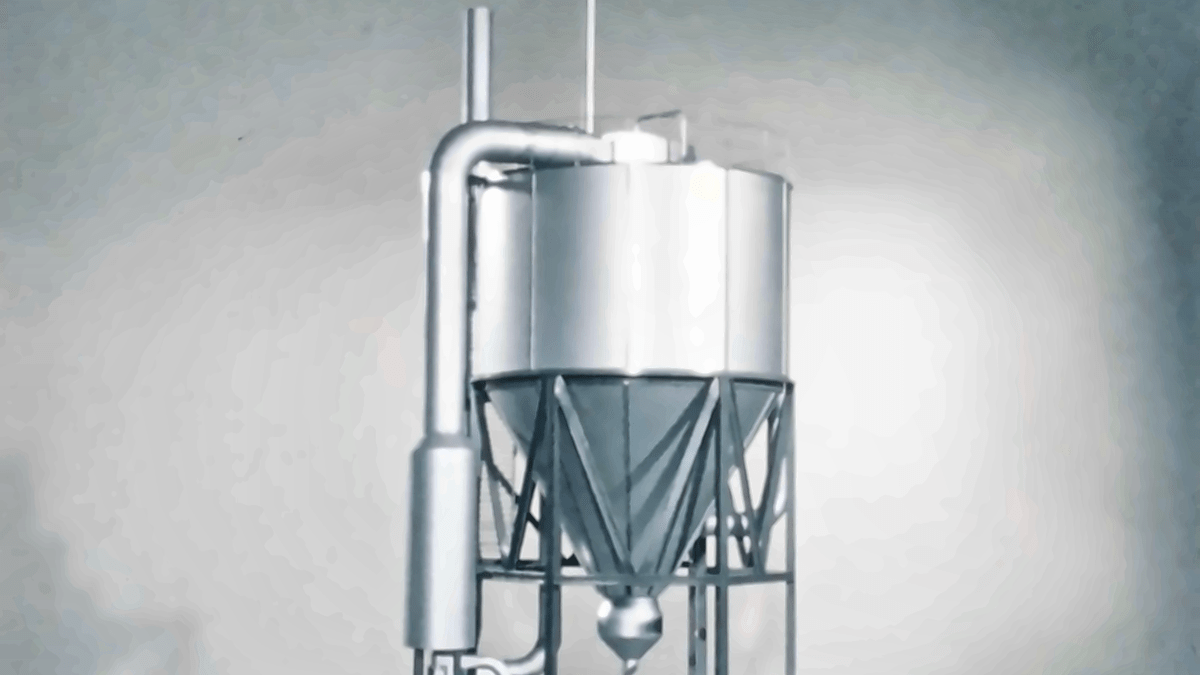
The breakthrough that changed spray drying
In 1976, NIRO engineers responded to a competitive challenge by rethinking what spray drying could do. Their idea became the multi-stage dryer MSD. Fifty years later, the same fundamental principle helps turn liquids into the powders used in essential nutrition products and important medicines around the world. Refined through decades of engineering expertise, customer insight and continuous development, MSD is a story of innovation with lasting impact.

Beyond the machine: unlocking better plant performance
An efficient machine does not automatically make an efficient factory. Real improvement often starts by looking beyond individual equipment and understanding how processes, energy systems and operating decisions affect one another. It’s a holistic approach designed to uncover opportunities that might otherwise be missed.
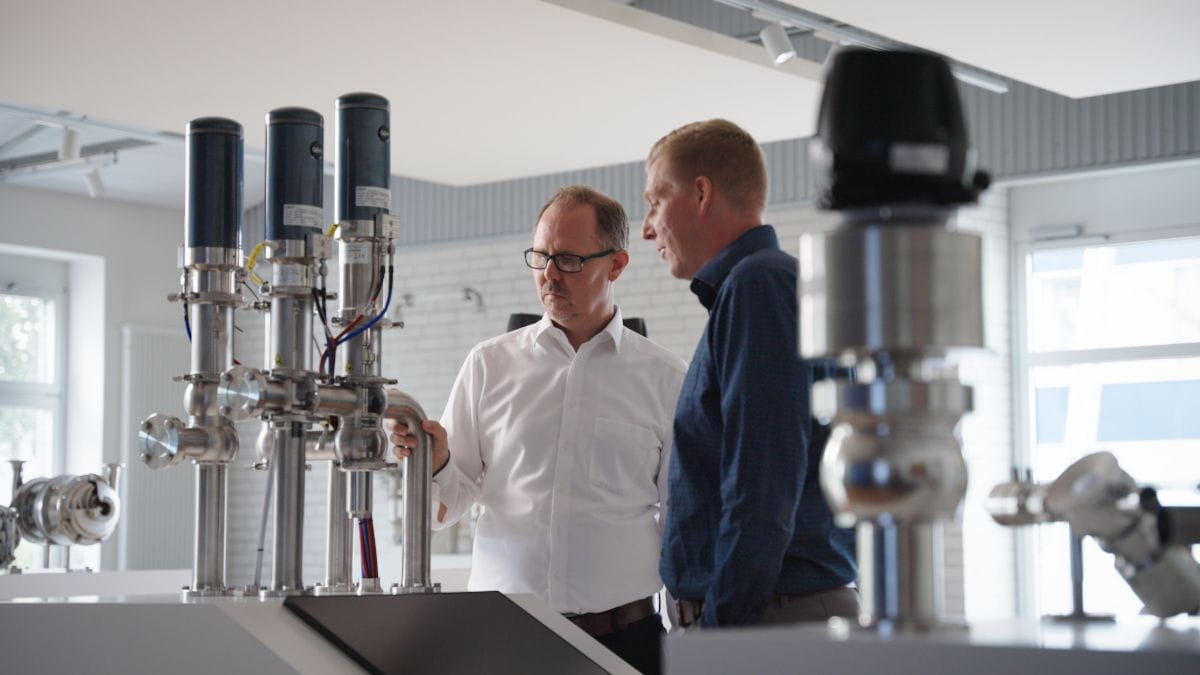
How a valve reshapes the way food and drinks are made
In food and beverage plants, valves are commonly operated using compressed air. GEA Hydract® Actuation Technology moves valves with water instead, in a closed, digitally controlled circuit. The result is a valve that can be held exactly in place and steered in fine-tuned steps. This results in lower energy use and greater control.
