

Benefits of our centrifuges:
- Increased tar quality through efficient removal of solids
- Dewatering in one step
- Reduced operating costs for tank cleaning
- Easier storage and transport of coal tar
- Closed, environmentally and operator friendly process
Coal tar is a by-product that is formed during the coking of coal which is essential for producing coke for steel production. This viscous by-product contains a variety of compounds, including up to 5% water and various other components. This complex composition of coal tar can vary considerably, making its treatment and refinement a challenging task.
GEA's advanced centrifuge technology makes the coal tar treatment process more efficient. Our two- and three-phase decanter centrifuges are equipped with highly corrosion-resistant materials and are designed for efficient separation of solids, tar and water, achieving high-quality results. Our equipment is capable of extracting a considerable amount of solids from the cleared tar and can also decrease the water content to minimal levels. This level of precision in separation not only improves the quality of the coal tar, but also makes it easier to store and transport.
In addition, GEA's centrifuges contribute to a closed, environmentally and operator friendly process that minimizes waste and reduces the need for extensive tank cleaning. The versatility of our decanters enables the processing of coal tar with varying solids content, ensuring optimal performance tailored to the specific needs of each customer.
Within the petrochemical and steel sectors, refined coal tar serves as a crucial resource for producing various chemicals and numerous valuable raw materials. GEA's centrifuge technology plays a key role in enhancing the purity and usability of coal tar for these applications, thereby supporting the entire value chain.
Choose GEA for your coal tar treatment solutions, and benefit from our expertise, innovative technology, and commitment to sustainability. Our solutions not only meet the high standards of the industry but also contribute to a cleaner and more efficient production process.


GEA Insights
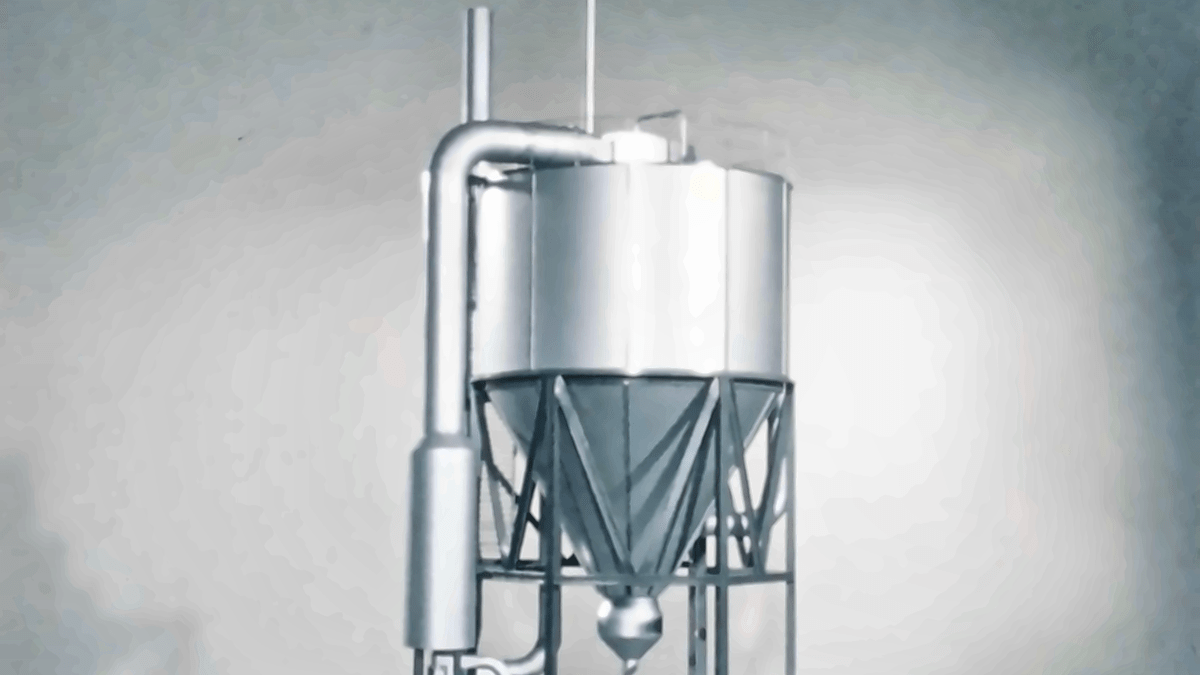
The breakthrough that changed spray drying
In 1976, NIRO engineers responded to a competitive challenge by rethinking what spray drying could do. Their idea became the multi-stage dryer MSD. Fifty years later, the same fundamental principle helps turn liquids into the powders used in essential nutrition products and important medicines around the world. Refined through decades of engineering expertise, customer insight and continuous development, MSD is a story of innovation with lasting impact.
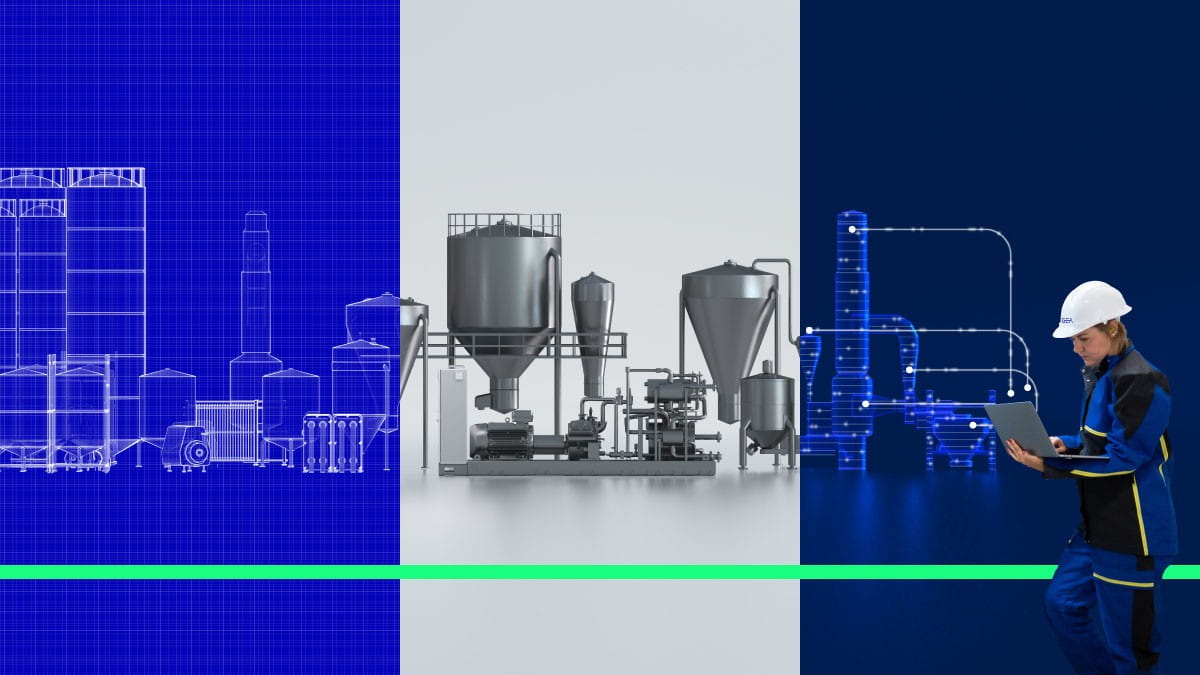
Beyond the machine: unlocking better plant performance
An efficient machine does not automatically make an efficient factory. Real improvement often starts by looking beyond individual equipment and understanding how processes, energy systems and operating decisions affect one another. It’s a holistic approach designed to uncover opportunities that might otherwise be missed.
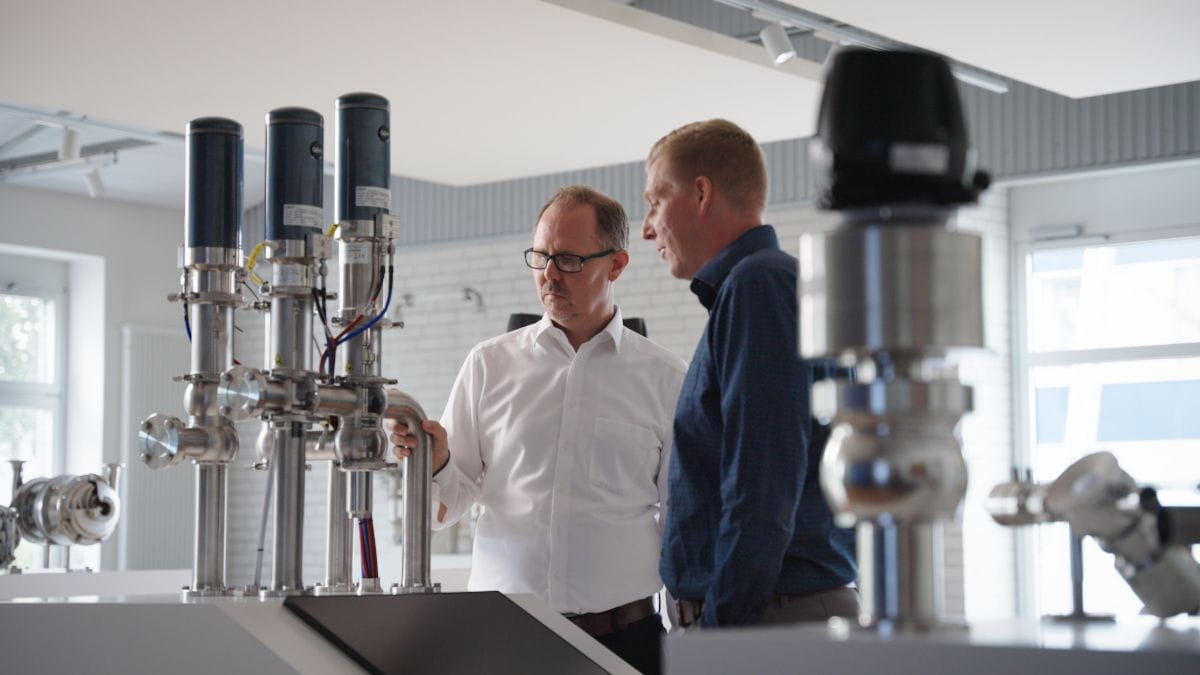
How a valve reshapes the way food and drinks are made
In food and beverage plants, valves are commonly operated using compressed air. GEA Hydract® Actuation Technology moves valves with water instead, in a closed, digitally controlled circuit. The result is a valve that can be held exactly in place and steered in fine-tuned steps. This results in lower energy use and greater control.
