

As energy prices rise and environmental regulations tighten worldwide, the dairy industry must adopt more efficient and environmentally responsible technologies - and GEA Econhex delivers precisely that. By smartly integrating Reverse Osmosis (RO) into a traditional dairy powder production line, this system achieves exceptional efficiency, reducing both energy consumption and initial capital expenditure while maintaining the highest product quality standards.
An innovative combination of technologies
At the heart of the GEA Econhex system is the seamless integration of GEA reverse osmosis, GEA heat treatment, GEA falling film evaporation and a GEA spray drying.
Reverse osmosis membranes pre-concentrate skim milk from 9% total solids up to a maximum of 36% total solids. This pre-concentration, prior to heat treatment, reduces the volume and so the steam and energy demand required.
Once pre-concentrated through reverse osmosis, the milk moves to the heat treatment section where the product is heated (to between 90-127°C depending on production capabilities) to achieve higher microbiological quality.
By combining this low-energy heat-treatment, with a reverse osmosis, GEA has created an energy efficient, electrically driven, resource efficient process.
Following heat treatment - which is typically integrated within the evaporator for even better efficiency, the product is further concentrated in the falling film evaporator, removing water up to final concentration prior to transportation to the GEA spray dryer. The evaporator can be of either the TVR (thermal vapor recompression) or MVR (mechanical vapor recompression) type.
The product is then spray dried in a GEA spray dryer where powders of precisely-defined characteristics can be produced reliably.

GEA Econhex - solution overview
GEA Econhex also supports advanced heat treatment technologies such as Direct Steam Injection (DSI) and UHT Infusion, depending on the production need and capability. This helps minimize fouling and scorching while ensuring optimal microbial reduction. This capability enhances the system’s performance and ensures long-term reliability and product consistency.
Economic efficiency and optimized total cost of ownership
GEA Econhex provides impressive economic benefits through both optimized capital expenditure and lowered operational costs. Reverse osmosis technology typically requires a substantially lower capital expenditure compared with traditional falling film evaporators for the same water removal capacity. This makes the initial cost of implementing GEA Econhex more attractive for dairy producers seeking efficient and cost-effective solutions.
The system’s built-in energy efficiency also reduces operational expenses (OPEX). Reverse Osmosis has a very low specific energy requirement per ton of water removed. By combining RO, heat treatment and falling film evaporation, GEA Econhex uses less steam and electricity overall. This translates into lower energy costs over time, without compromising product quality. Depending on energy costs and milk processing capacity, this solution could deliver up to 20% savings in both CAPEX and OPEX.
Uncompromised product quality and flexibility
Despite its efficiency and cost-effectiveness, GEA Econhex maintains the highest product quality standards. The system handles a wide range of heat treatments, enabling producers to achieve diverse powder qualities, from low-heat to high-heat treatment options. This flexibility ensures that the final product meets stringent microbiological standards and aligns with the various market requirements for texture, flavor, and nutritional value.
GEA technologies used:
Aanverwante producten

Dairy Evaporation Plants
Onze verdampingsoplossingen voor de zuivelindustrie bestrijken het hele proces, van de voor- en hittebehandeling en de verdampingsfase zelf tot en met de scheiding en nabehandeling.

GEA UHT-systeem met directe infusie
GEA UHT Infusion gebruikt snelle stoomverwarming om de warmtebelasting te verlagen ten opzichte van directe methoden, waardoor eiwitten, voedingsstoffen, smaak en kleur behouden blijven voor een verser, voedzamer product.

MSD® Sproeidroger
De MSD® sproeidroger is de eerste keus voor veel zuivelproducten, zoals bv. melkpoeder en Nutritional Formula, waar gelijkvormige grove, geagglomereerde, vrijstromende en stofloze poeders zeer gevraagd zijn.

Specifiek voor de klant ontworpen filtratie-installaties
GEA ontwerpt maatwerk membraanfiltratiesystemen die op de best mogelijke manier gebruik maken van microfiltratie-, ultrafiltratie-, nanofiltratie- of omgekeerdeosmose-technologieën voor de specifieke toepassing van elke klant.
GEA-inzichten
De doorbraak die het sproeidrogen veranderde
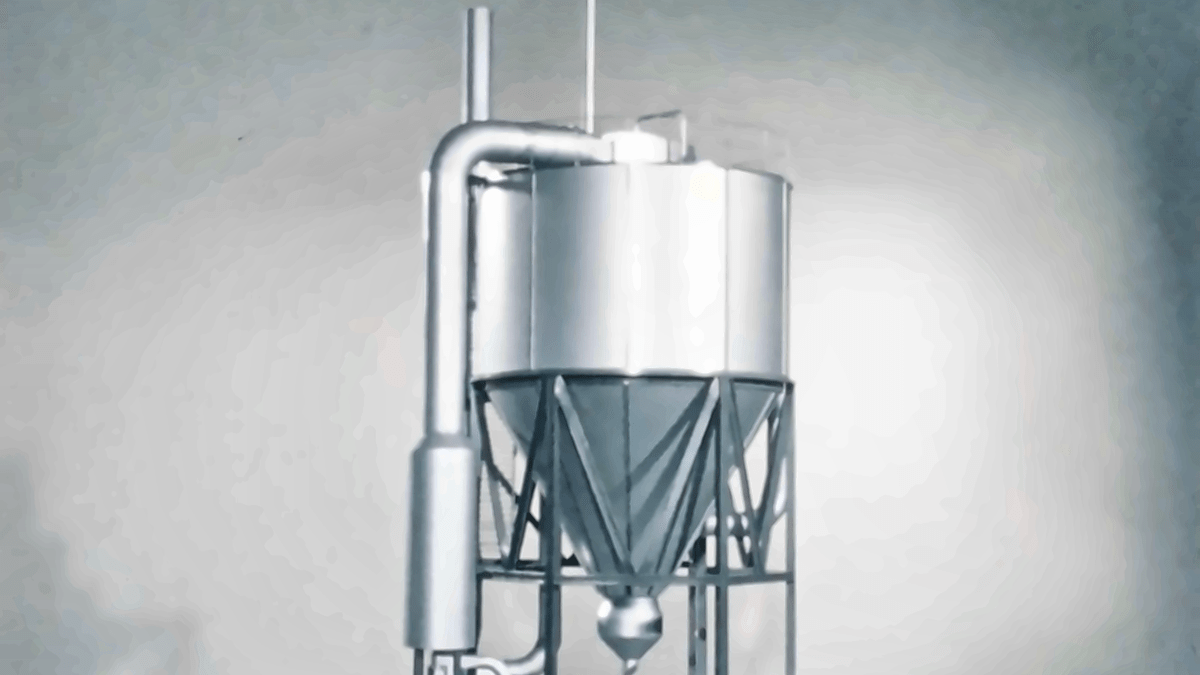
In 1976 gingen de ingenieurs van NIRO een concurrentie-uitdaging aan door de mogelijkheden van sproeidrogen opnieuw te bekijken. Hun idee leidde tot de meertraps droger MSD. Vijftig jaar later zorgt datzelfde basisprincipe ervoor dat vloeistoffen worden omgezet in poeders die wereldwijd worden gebruikt in essentiële voedingsproducten en belangrijke geneesmiddelen. MSD is het resultaat van tientallen jaren technische expertise, klantinzicht en voortdurende ontwikkeling, en is een verhaal van innovatie met blijvende impact.

Verder dan de machine: betere prestaties van de installatie ontsluiten
Een efficiënte machine betekent niet automatisch een efficiënte fabriek. Echte verbetering begint vaak met verder kijken dan de afzonderlijke apparatuur en met inzicht in hoe processen, energiesystemen en operationele beslissingen elkaar beïnvloeden. Het is een holistische benadering die bedoeld is om kansen te ontdekken die anders wellicht over het hoofd gezien zouden worden.

Hoe een klep de manier waarop eten en drinken worden gemaakt opnieuw vormgeeft
De kleppen in voedingsmiddelen- en drankinstallaties worden doorgaans met perslucht bediend. GEA Hydract® Actuation Technology stuurt kleppen daarentegen aan met water, in een gesloten, digitaal geregeld circuit. Het resultaat is een klep die precies op zijn plaats kan worden gehouden en in nauwkeurig afgestemde stappen kan worden aangestuurd. Dit leidt tot een lager energieverbruik en meer controle.
