
The active ingredient of many inhalable products, such as anti-asthma medications, acts on the muscle cells of the pulmonary airways. Such medications can be rendered inefficient, however, if particles aggregate in the inhaler. In addition, to prevent dry powder aerosols from depositing particulate matter in the oropharyngeal cavity — and in the inhaler — dispensed particles should have a geometric diameter of 1–3 µm and a mass density of approximately 1 g/cm3.
Inhaled drugs are usually dissolved in an aqueous system, such as an isotonic salt solution, and aerosolized at a high pressure to obtain nebulized particles. The liquid solution is pumped through a homogenizing valve at 500–1000 bar, using a single stage process, during which semi-solid particles become dispersed in the liquid.
The high-pressure homogenization enables the size reduction of average to large particles and makes the suspension more stable as a result of the decreased sedimentation rate. Moreover, it eliminates biological risk and provides better tolerance to irritants, as well as improving the clarity and transparency of the processed product.
In addition to a comprehensive range of homogenizers, GEA also offers production-scale mixing, blending, spray drying and micronization solutions for the manufacture of inhalable products, plus an unparalleled level of expertise in the design and layout of suitable plant: from vessel size dimensions to valves and 3D P&IDs, and from R&D to full-scale production.
Products & Technologies
Showing 4 of 13

Aseptic valves & components
Aseptic valves face exceptionally high demands within UltraClean and Aseptic processes. You can be assured that they all provide highest quality in terms of hygienic design and sustainability.

Centrifugal Separator
GEA separators are designed for liquid-based applications. Using centrifugal force, they are used for separating suspensions consisting of two or more phases of different densities, i.e. they can be used for liquid-liquid separation, for liquid-liquid-solid separation or for liquid-solid separation. They are equally as effective at separating liq...

CIP/SIP Solutions
Innovative CIP concepts of GEA meet comprehensive high standards. Our experts guarantee product safety at every point of the process. Every upgrade is adapted to individual local conditions and customer requirements and leads to noticeable savings.

Homogenizer Compression Block
GEA compression heads are the homogenizer pulsing core since they activate the homogenization process pumping the product at high pressure until it flows inside the homogenizing valve.
Downloads
GEA Insights
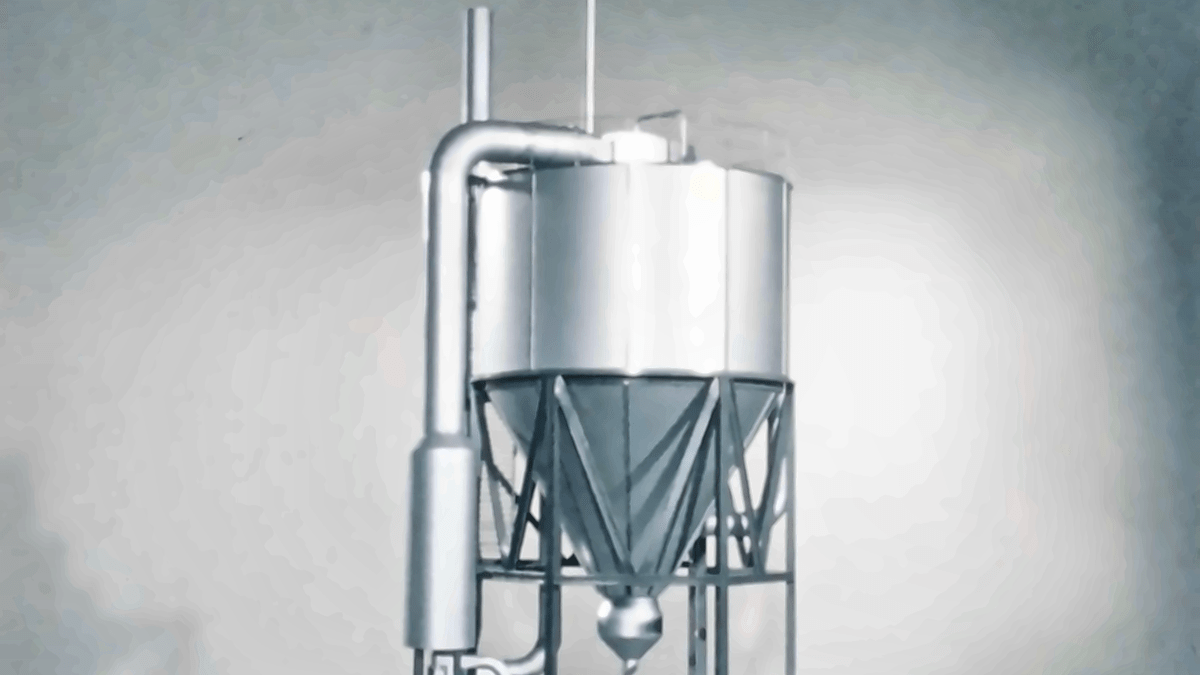
The breakthrough that changed spray drying
In 1976, NIRO engineers responded to a competitive challenge by rethinking what spray drying could do. Their idea became the multi-stage dryer MSD. Fifty years later, the same fundamental principle helps turn liquids into the powders used in essential nutrition products and important medicines around the world. Refined through decades of engineering expertise, customer insight and continuous development, MSD is a story of innovation with lasting impact.
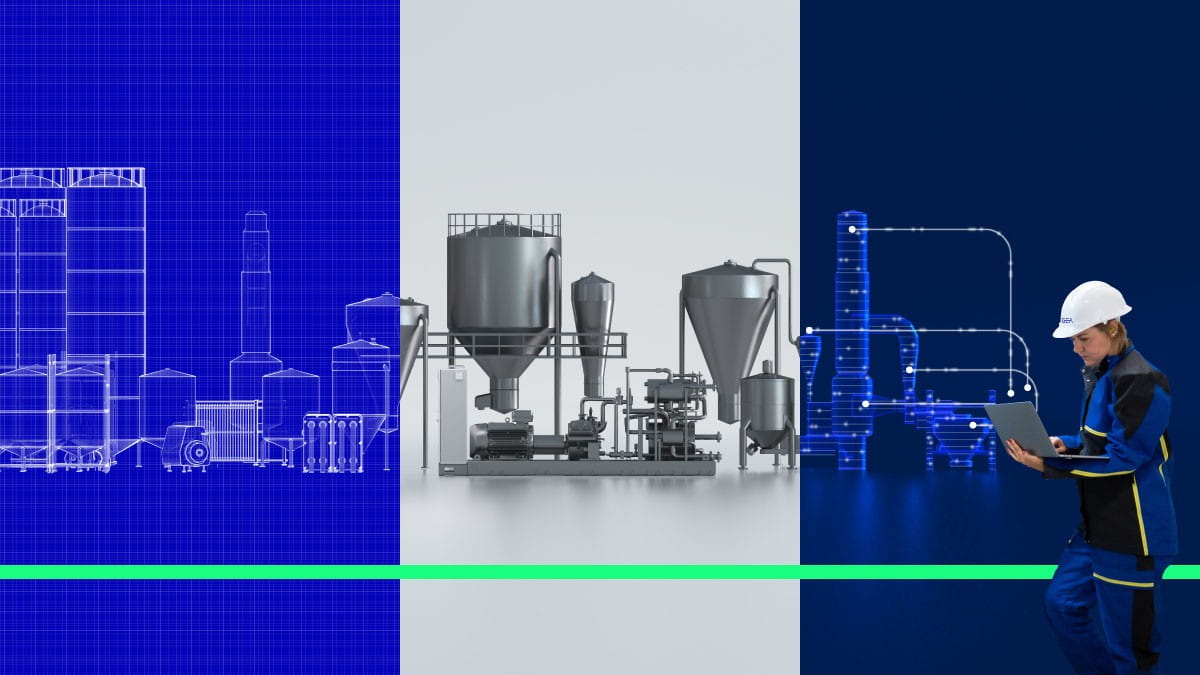
Beyond the machine: unlocking better plant performance
An efficient machine does not automatically make an efficient factory. Real improvement often starts by looking beyond individual equipment and understanding how processes, energy systems and operating decisions affect one another. It’s a holistic approach designed to uncover opportunities that might otherwise be missed.
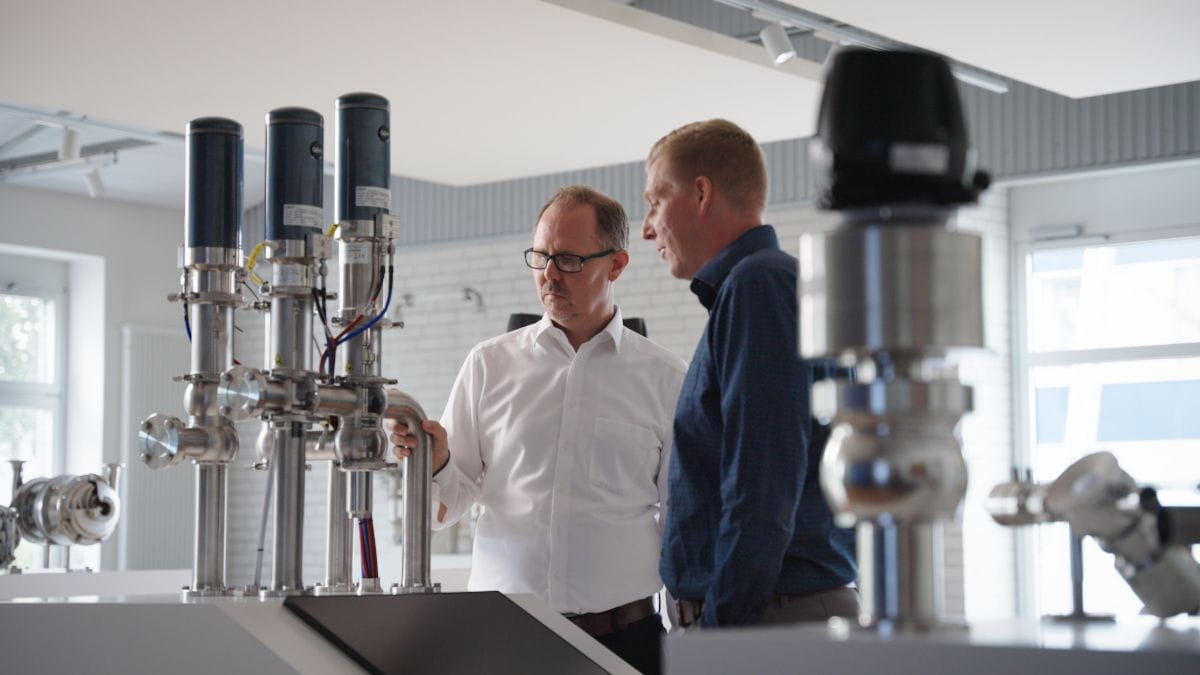
How a valve reshapes the way food and drinks are made
In food and beverage plants, valves are commonly operated using compressed air. GEA Hydract® Actuation Technology moves valves with water instead, in a closed, digitally controlled circuit. The result is a valve that can be held exactly in place and steered in fine-tuned steps. This results in lower energy use and greater control.
