
Homogenizers, however, are the most commonly used devices to lyse large quantities of bacteria. A cell suspension is pumped through the minute orifice of a homogenizing valve at high pressure; this is followed by the sudden release of the pressure on the suspension, resulting in an instant expansion that provides the turbulence and liquid shear — combined with the high pressure — that breaks the cells.
The main disruptive factor in this process is the pressure applied to the sample and the subsequent pressure drop across the valve. This provides the impact and the shear stress, making the cells break in proportion to the operating pressure.
Compared with other methods, homogenization is both convenient and efficient, offering higher percentage cell disruption rates. Modern GEA homogenizers are able to work continuously, enabling large quantities of cells to be processed at high operational pressures, which eliminates the need to add deoxyribonuclease (DNase) to the cell suspension.
Suggested pressures for typical applications are 600–1000 bar with a single stage homogenizer; multiple passes (2–3) are generally required to achieve adequate lysis. It should be noted that high processing pressures result in a rise in operating temperatures. Cells should, therefore, be cooled (4 °C) prior to use to avoid inactivating proteins by foaming.
Fermenters, separators, decanters and cross-flow filtration technology for the gentle treatment of fragile cell cultures are also available from GEA. We understand that the careful treatment of living micro-organisms, sterility and efficiency are prerequisites to economical, reliable and efficient processing.
Products & Technologies
Showing 4 of 11

Aseptic valves & components
Aseptic valves face exceptionally high demands within UltraClean and Aseptic processes. You can be assured that they all provide highest quality in terms of hygienic design and sustainability.

Centrifugal Separator
GEA separators are designed for liquid-based applications. Using centrifugal force, they are used for separating suspensions consisting of two or more phases of different densities, i.e. they can be used for liquid-liquid separation, for liquid-liquid-solid separation or for liquid-solid separation. They are equally as effective at separating liq...

CIP/SIP Solutions
Innovative CIP concepts of GEA meet comprehensive high standards. Our experts guarantee product safety at every point of the process. Every upgrade is adapted to individual local conditions and customer requirements and leads to noticeable savings.

Homogenizer Compression Block
GEA compression heads are the homogenizer pulsing core since they activate the homogenization process pumping the product at high pressure until it flows inside the homogenizing valve.
Downloads
GEA Insights
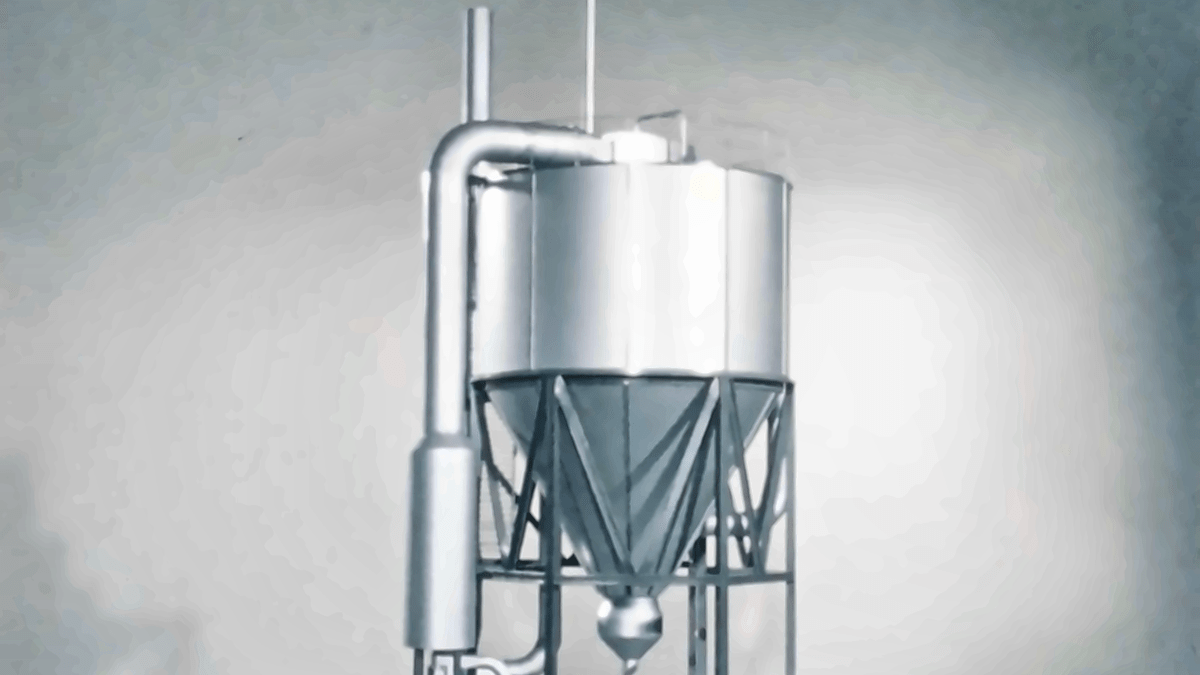
The breakthrough that changed spray drying
In 1976, NIRO engineers responded to a competitive challenge by rethinking what spray drying could do. Their idea became the multi-stage dryer MSD. Fifty years later, the same fundamental principle helps turn liquids into the powders used in essential nutrition products and important medicines around the world. Refined through decades of engineering expertise, customer insight and continuous development, MSD is a story of innovation with lasting impact.

Beyond the machine: unlocking better plant performance
An efficient machine does not automatically make an efficient factory. Real improvement often starts by looking beyond individual equipment and understanding how processes, energy systems and operating decisions affect one another. It’s a holistic approach designed to uncover opportunities that might otherwise be missed.

How a valve reshapes the way food and drinks are made
In food and beverage plants, valves are commonly operated using compressed air. GEA Hydract® Actuation Technology moves valves with water instead, in a closed, digitally controlled circuit. The result is a valve that can be held exactly in place and steered in fine-tuned steps. This results in lower energy use and greater control.
