
In liquid-based applications, the pharmaceutical industry extracts antibiotics from fermentation broths. GEA supports this process with special decanters that facilitate the process, offering efficient direct extraction solutions that are also environmentally friendly.
The Extraction Process
Extraction essentially consists of two combined processes: mixing and separating. GEA has developed a patented decanter that combines the two process steps in a single machine to enhance the extraction of active ingredients.
This decanter allows suspensions with a high solids content to be processed, rendering them suitable for direct antibiotic extraction from the culture solution (which often has a high mycelium content). The previously essential filtration step is no longer required, which not only makes the process continuous, it also prevents the loss of valuable material that was frequently associated with filtration.
Advantages of Direct Extraction
Offering increased total yields of up to 98% compared with conventional counter-current extraction, direct extraction is also significantly more cost-effective (no filter aids are needed). The fermentation broth itself is not diluted by filter wash water, which both reduces the solvent requirement and the risk of infection. In addition, the optimized procedure also reduces wastewater pollution and the actual volume of wastewater produced.
The GEA Solution
Driven by new product innovations, high levels of R&D investment and the pharmaceutical industry’s need to ameliorate the issue of antibiotic resistance, the antibiotic market is expected to show continued growth. From R&D-scale and standalone manufacturing equipment to completely integrated process lines that maximize operational reliability, GEA supplies a complete range of equipment and solutions for the industrial-scale production of antibiotics, antibacterials and anti-infectives.
Products & Technologies
Showing 4 of 16

Aseptic valves & components
Aseptic valves face exceptionally high demands within UltraClean and Aseptic processes. You can be assured that they all provide highest quality in terms of hygienic design and sustainability.

Centrifugal Separator
GEA separators are designed for liquid-based applications. Using centrifugal force, they are used for separating suspensions consisting of two or more phases of different densities, i.e. they can be used for liquid-liquid separation, for liquid-liquid-solid separation or for liquid-solid separation. They are equally as effective at separating liq...

CIP/SIP Solutions
Innovative CIP concepts of GEA meet comprehensive high standards. Our experts guarantee product safety at every point of the process. Every upgrade is adapted to individual local conditions and customer requirements and leads to noticeable savings.

Decanter Centrifuge
The decanter’s hour has come as soon as the solids content in the suspension to be processed is particularly high. These machines provide the benefits of high clarifying efficiency and maximum dewatering as well as the separation of liquids with the simultaneous removal of solids. The main requirements in this respect include a high bowl speed, a...
Downloads
GEA Insights
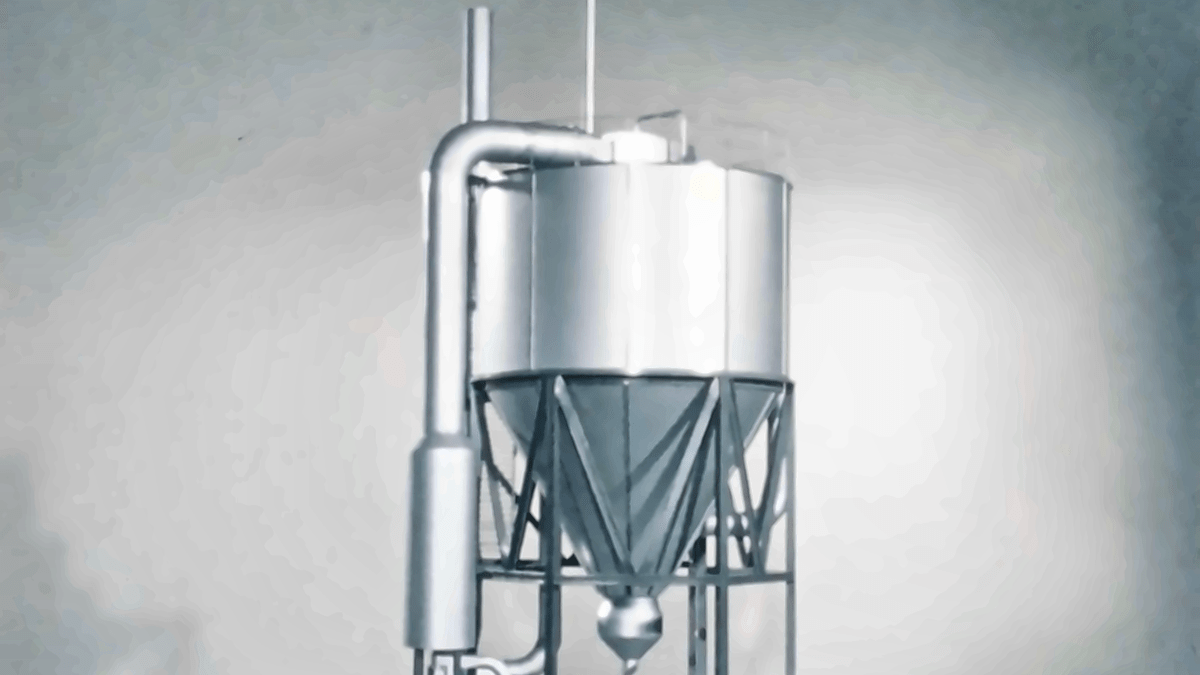
The breakthrough that changed spray drying
In 1976, NIRO engineers responded to a competitive challenge by rethinking what spray drying could do. Their idea became the multi-stage dryer MSD. Fifty years later, the same fundamental principle helps turn liquids into the powders used in essential nutrition products and important medicines around the world. Refined through decades of engineering expertise, customer insight and continuous development, MSD is a story of innovation with lasting impact.

Beyond the machine: unlocking better plant performance
An efficient machine does not automatically make an efficient factory. Real improvement often starts by looking beyond individual equipment and understanding how processes, energy systems and operating decisions affect one another. It’s a holistic approach designed to uncover opportunities that might otherwise be missed.

How a valve reshapes the way food and drinks are made
In food and beverage plants, valves are commonly operated using compressed air. GEA Hydract® Actuation Technology moves valves with water instead, in a closed, digitally controlled circuit. The result is a valve that can be held exactly in place and steered in fine-tuned steps. This results in lower energy use and greater control.
