
Putting Theory into Practice
A series of initial tests was done using a LYOVAC® FCM 2 to compare the coefficient of performance (COP) and process energy consumption of the ECO Mode with the theoretical value of a two-stage reciprocating compressor (R507). Using 3% mannitol as the test product and taking an average of five trial runs, the results were impressive.
In both situations (with a constant condenser temperature of ≤–70 °C for the classic mode and a dynamic condenser temperature not colder than –53 °C for the ECO Mode) and using pressure rise measurement [PRM] to determine the end of primary and secondary drying, the processing times for both the classic and ECO Mode were very similar .

Proven Results at Production Scale
Acting as a third-party validator, TUV concluded that, in accordance with the DIN EN ISO 14021:2021-10 standard, the TYPE II “ADD BETTER” ECOLABEL developed by GEA Lyophil GmbH for the use case: “LYOVAC ECO Mode” is reasonable, transparent and appropriate.
They also noted that the submitted data was “coherent and comprehensible,” and could be used in communication, marketing, or documentation to show customers and stakeholders that the environmental and/or technical claims have been verified by an impartial authority.
“Independent substantiation provides external assurance that our energy saving claims are consistent and scientifically sound,” said Thomas Beutler. “Being able to use the term ‘Validated by TÜV Rheinland’ gives our customers confidence that ECO Mode’s sustainability benefits are not just internal estimates; they have been independently verified.”

LYOVAC® ECO Mode
In Summary
This new algorithm changes the set point of both the fluid condenser temperature and the position of the mushroom valve during drying. What this means is that there’s no longer an actual fixed temperature for the condenser; it’s optimally matched to the ongoing process and no colder than necessary.”
In addition, the mushroom valve opening position can optionally be used as an extra control mechanism … as well as the nitrogen inflow rate. This allows the freeze dryer to reach the same chamber pressure, but with warmer condenser coils. As such, less nitrogen is needed to control the pressure. The system can also be augmented with a virtual sublimation sensor if required.Retrofit-compatible with any unit with a fluid condenser, and with the option to run existing processes in classic mode, ECO Mode will be a selectable recipe parameter that will transform the future of planet-friendly freeze drying.
Download more information about LYOVAC ® ECO Mode
Downloads
Aanverwante producten

LYOVAC® Pharma Freeze Dryer
GEA’s LYOVAC® industrial-scale freeze dryers are built to customer specifications and are available with production areas of 1–60 m² and condenser capacities of more than 1000 kg.

LYOVAC® Freeze dryers for small scale production modules
LYOVAC® Freeze dryers for small scale production modules

LYOVAC® Small-Scale Freeze Dryers
Extending its range of LYOVAC™ Freeze Dryers, GEA now offers both integrated and standalone equipment for the production of small-scale batches and formulation or process development.
GEA-inzichten
De doorbraak die het sproeidrogen veranderde
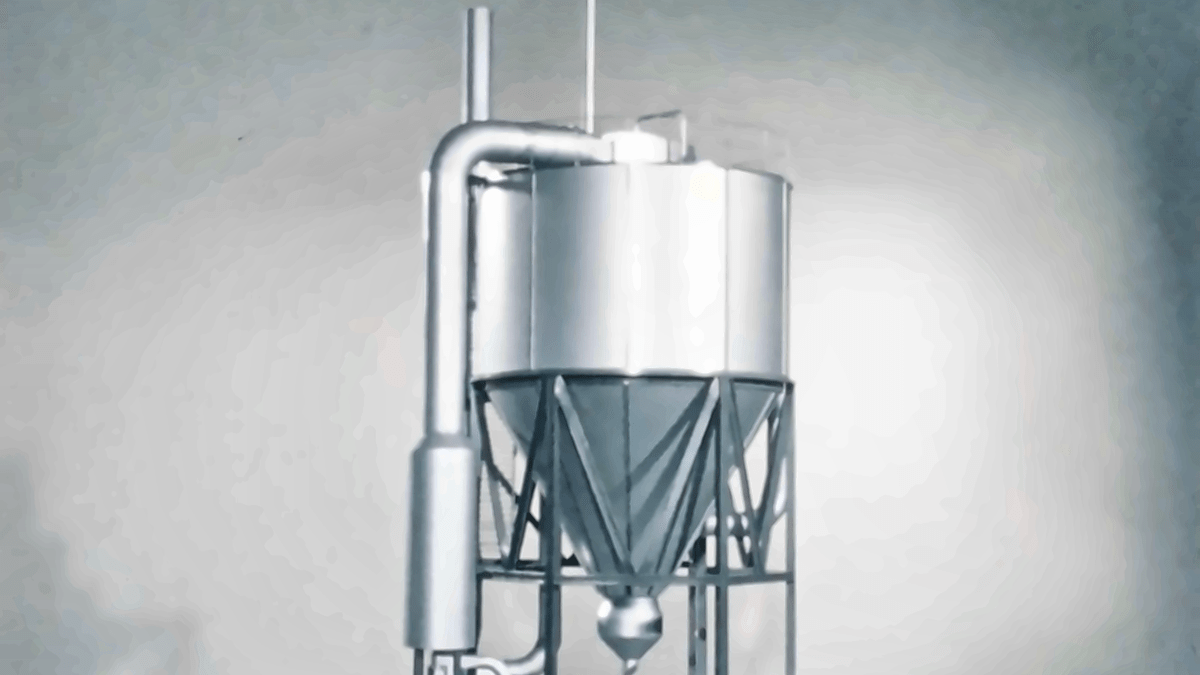
In 1976 gingen de ingenieurs van NIRO een concurrentie-uitdaging aan door de mogelijkheden van sproeidrogen opnieuw te bekijken. Hun idee leidde tot de meertraps droger MSD. Vijftig jaar later zorgt datzelfde basisprincipe ervoor dat vloeistoffen worden omgezet in poeders die wereldwijd worden gebruikt in essentiële voedingsproducten en belangrijke geneesmiddelen. MSD is het resultaat van tientallen jaren technische expertise, klantinzicht en voortdurende ontwikkeling, en is een verhaal van innovatie met blijvende impact.

Verder dan de machine: betere prestaties van de installatie ontsluiten
Een efficiënte machine betekent niet automatisch een efficiënte fabriek. Echte verbetering begint vaak met verder kijken dan de afzonderlijke apparatuur en met inzicht in hoe processen, energiesystemen en operationele beslissingen elkaar beïnvloeden. Het is een holistische benadering die bedoeld is om kansen te ontdekken die anders wellicht over het hoofd gezien zouden worden.

Hoe een klep de manier waarop eten en drinken worden gemaakt opnieuw vormgeeft
De kleppen in voedingsmiddelen- en drankinstallaties worden doorgaans met perslucht bediend. GEA Hydract® Actuation Technology stuurt kleppen daarentegen aan met water, in een gesloten, digitaal geregeld circuit. Het resultaat is een klep die precies op zijn plaats kan worden gehouden en in nauwkeurig afgestemde stappen kan worden aangestuurd. Dit leidt tot een lager energieverbruik en meer controle.
