

Benefits of our centrifuges
- Superior contaminant removal
- High separation efficiency
- Reduction of operational costs
- Enhanced equipment longevity
- Adaptability to variable conditions
- Energy and space efficiency
- Continuous operation and complete process solutions
Understanding the importance of fuel oil treatment
Fuel oils used in the oil and gas industry, particularly for diesel engines and gas turbines, are vulnerable to contamination during transport and storage. These contaminants can severely damage engine components and threaten the safety and efficiency of the operating process. Effective fuel oil treatment is essential to eliminate these contaminants, ensuring that engines run smoothly and reliably. This not only extends the lifetime of the equipment but also enhances performance and reduces downtime.
GEA’s cutting-edge fuel oil purification solutions
GEA offers state-of-the-art fuel oil purification solutions based on mechanical separation technology that deliver high-performance results. Our separators are designed to handle high throughput rates with exceptional separation accuracy, removing water, salts and solid materials from the fuel oil. Continuous purification is crucial, and GEA's reliable treatment plants, proven in extreme conditions on FPSOs, production, and drilling platforms, ensure optimal performance and minimal wear.
The fully automatic separator
At the heart of our treatment plants is a self-cleaning separator that operates with the highest possible g-force levels. This technology ensures reliable removal of contaminants, even under varying concentrations of liquids and solids. The robust design of our separators allows them to withstand harsh conditions typical of onshore and offshore installations, ensuring the highest level of process safety during continuous 24-hour operation. Moreover, our separators are energy-efficient and compact, offering additional cost savings and space optimization.
Maximum protection for diesel engines
Beyond our advanced centrifuges, we offer a range of supplementary components such as pumps and heaters. These components enhance the overall treatment process, ensuring that the viscosity, temperature, and pressure of the fuel oil are automatically adjusted to meet the precise specifications of engine manufacturers. This integrated approach guarantees maximum protection for diesel engines, enhancing their longevity and reliability.

Ensuring clean fuel for optimal efficiency
Prodotti e tecnologie
Visualizzazione di 3 su 3

Miscelatori di liquidi
La miscelazione è un processo fondamentale nella produzione di una vasta serie di prodotti in svariati settori industriali. Grazie alla vasta esperienza e al know-how tecnologico acquisito, GEA offre un'ampia gamma di soluzioni di miscelazione in batch, in continuo e progettate su specifica interna per applicazioni uniche in grado di soddisfare l...

Pompe a getto
Le pompe a getto, denominate anche eiettori, sono dispositivi per il trasporto, la compressione o la miscelazione di gas, vapori, liquidi o solidi, e per la creazione di vuoto, in cui una sostanza gassosa o liquida fornisce la forza motrice.

Separatore centrifugo
I separatori di GEA sono progettati per applicazioni a base liquida. Utilizzano la forza centrifuga per separare sospensioni composte da due o più fasi di densità diverse; possono cioè essere utilizzati per la separazione liquido-liquido, la separazione liquido-liquido-solido o la separazione liquido-solido. Separano miscele liquide con la stessa...


Downloads
Approfondimenti GEA
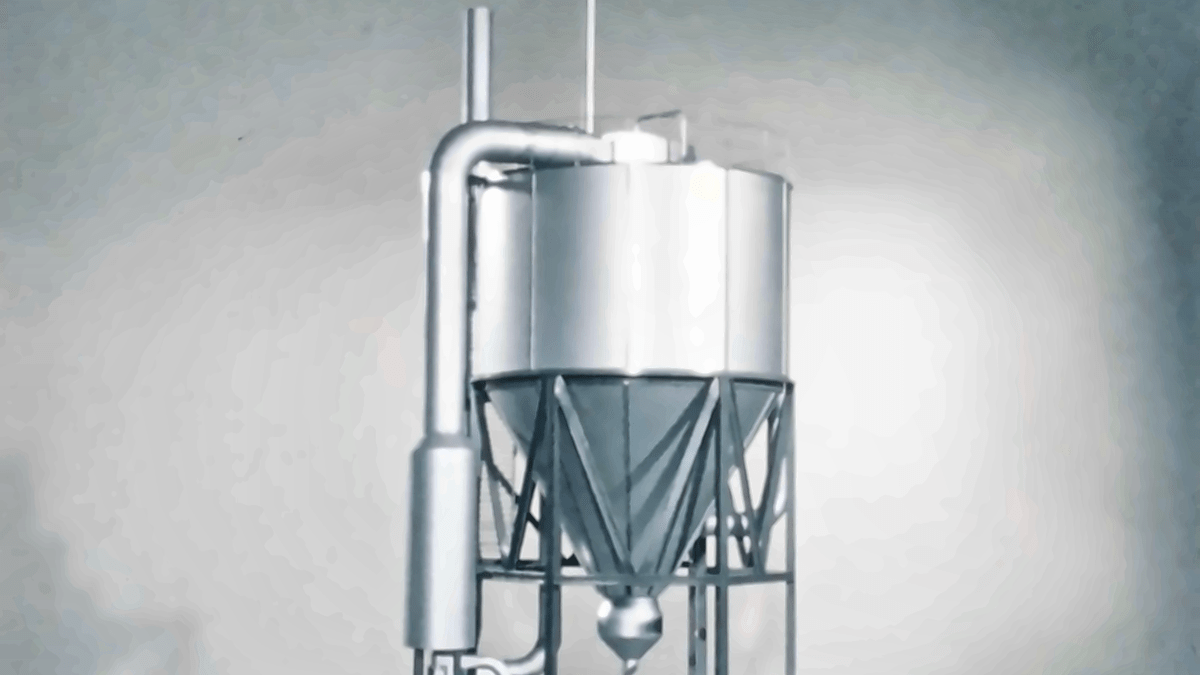
La svolta che ha rivoluzionato lo spray drying
Nel 1976, gli ingegneri di NIRO risposero a una sfida della concorrenza ripensando radicalmente le potenzialità dello spray drying. Da questa intuizione nacque l'essiccatore multistadio MSD. Cinquant'anni dopo, lo stesso principio fondamentale contribuisce a trasformare i liquidi nelle polveri utilizzate in prodotti nutrizionali essenziali e in importanti farmaci in tutto il mondo. Perfezionato grazie a decenni di competenza ingegneristica, attenzione alle esigenze dei clienti e sviluppo continuo, l'MSD rappresenta una storia di innovazione dall'impatto duraturo.
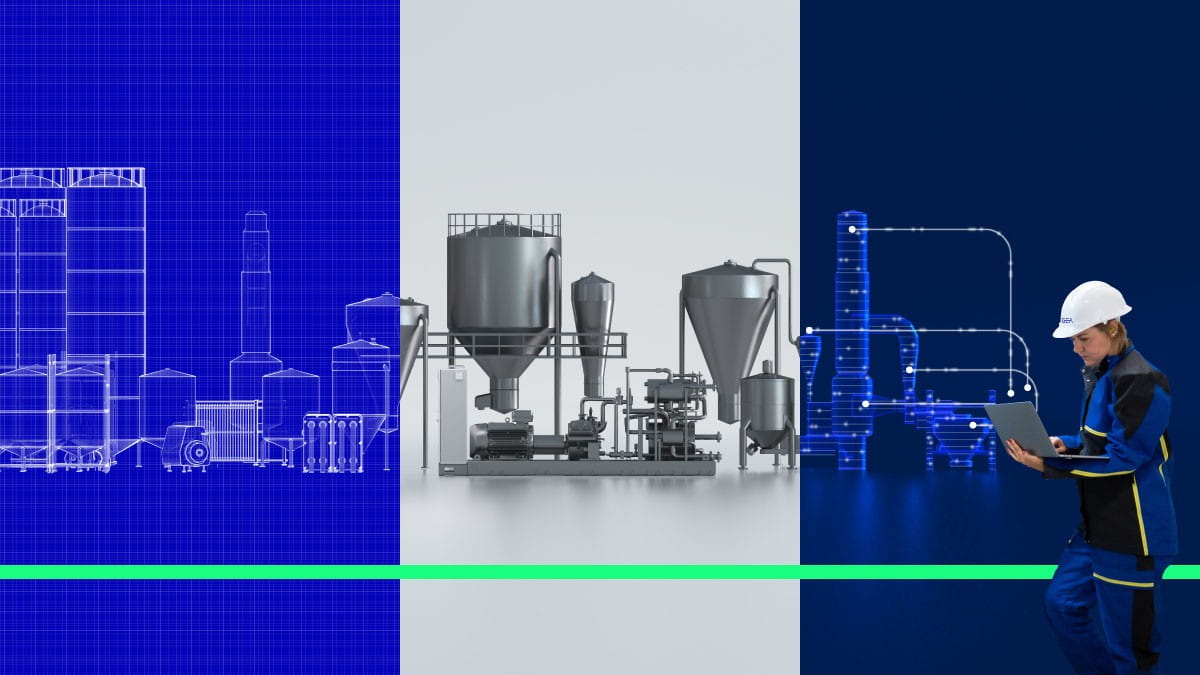
Oltre le macchine: come migliorare le prestazioni dell’impianto
Una macchina efficiente non garantisce automaticamente l'efficienza di uno stabilimento. Il vero miglioramento spesso inizia guardando oltre le singole attrezzature e comprendendo come i processi, i sistemi energetici e le decisioni operative si influenzino a vicenda. Si tratta di un approccio olistico pensato per individuare opportunità che altrimenti potrebbero sfuggire.
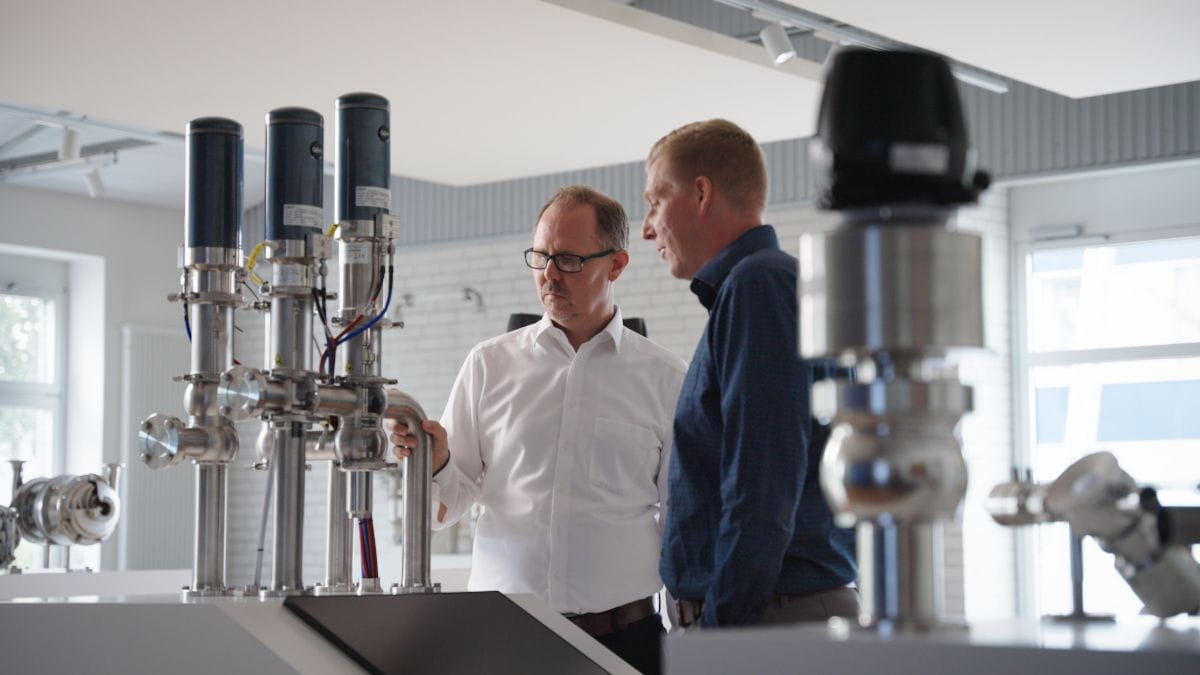
Come una valvola rivoluziona la produzione di alimenti e bevande
Negli impianti di produzione di alimenti e bevande, le valvole vengono solitamente azionate tramite aria compressa. GEA Hydract® Actuation Technology utilizza l'acqua all'interno di un circuito chiuso e controllato digitalmente. Il risultato è una valvola che può essere mantenuta esattamente in posizione e regolata con per piccoli incrementi con grande precisione. Ciò si traduce in un minor consumo energetico e in un maggiore controllo.
