

The secret of perfect brine distribution and retention?
GEA's solutions for fresh enhanced enables impressive long term brine retention, guarantees the smallest possible variances and reduces brine losses. All while improving product appearance and juiciness.


Examples of fresh enhanced poultry products


GEA fresh enhanced poultry injection line
Consistent brine mixing and storage, even product loading and spreading, controlled injection and brine cooling, protein activation, excess brine return and packaging, GEA can supply the complete line.


Discover a typical fresh enhanced poultry process

The starting point for successful marination is a homogeneously mixed brine. Carefully formulated brine that is mixed and stored under tightly controlled conditions will enhance the value, consistency and safety of the end product.

Accurate brine injection needs a little finesse. GEA offers injectors with very dense injection patterns and smooth vertical movement to optimize 'Time-in-Meat' that is further evolved since the beginning in 1969. The more injection points, the better the brine retention. GEA MultiJector's injection head sets needles close to the product for maximum distribution with adjusted pressure. The unique 2mm OptiFlex needles are at the heart of the injector and are stronger than traditional stainless steel and have the superior property of recovering their shape over and over again instead of being deformed or bent. A brine cooler alongside the injector offers exact temperature control, keeps brine circulating and avoids sedimentation. And the GEA MultiShakers in combination with the flip-over drip-off conveyor at the outfeed, shake-off excess brine from both sides of the product and start the activation of proteins, which also close the remaining needle marks.

Packaging with our thermoformers
Products & Technologies
Showing 4 of 4

Brine Preparation Equipment
The starting point for successful marinating is a homogeneously, under controlled conditions, mixed and stored brine or marinade.

Defrosting & Tumbling
Whether you defrost, melt or thaw using a refrigerator, heating your product or add cold water. It is very hard to control the way your product is reacting and you usually need long time frames to do it.

Injecting Equipment
Whether you produce poultry, ham, bacon or other meat products, brine injection can help you add flavor, juiciness and optimize shelf life while increasing yield.

Thermoforming Packaging Systems
From entry-level models to high-performance automated lines, the GEA PowerPak family brings you the power of packaging with precision, flexibility, and reliability. Designed to support a wide range of food, medical, and non-food applications, our thermoformers ensure consistent pack quality while helping reduce waste and resource consumption. Wit...


Downloads
GEA Insights
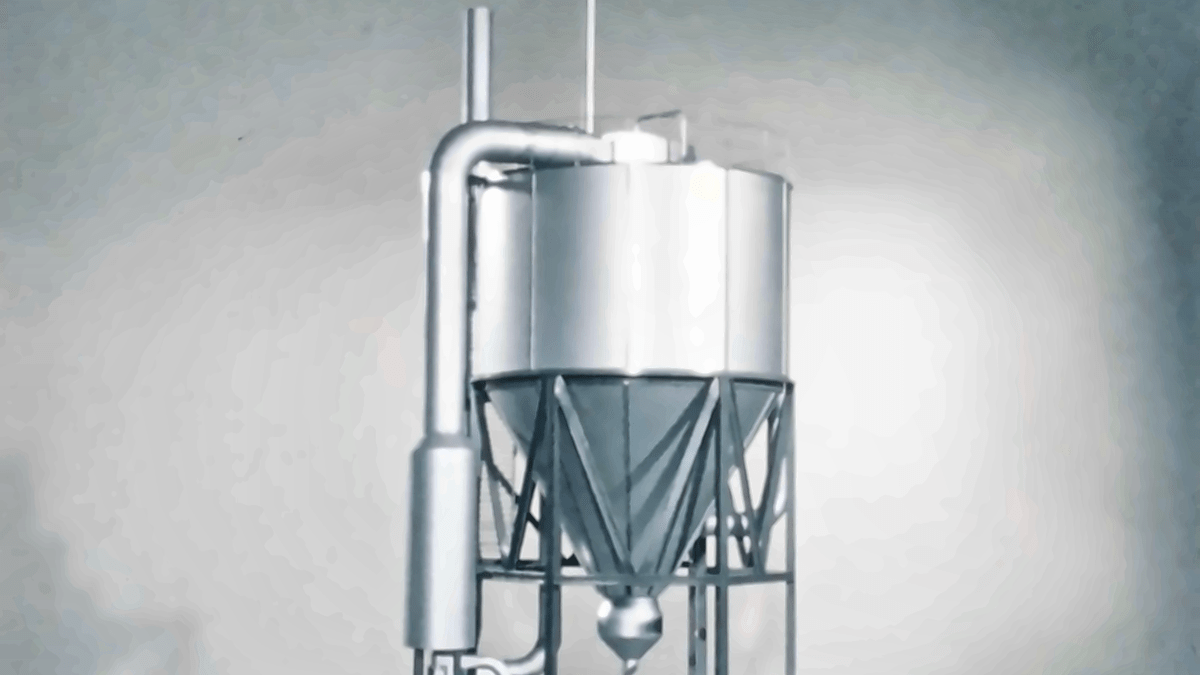
The breakthrough that changed spray drying
In 1976, NIRO engineers responded to a competitive challenge by rethinking what spray drying could do. Their idea became the multi-stage dryer MSD. Fifty years later, the same fundamental principle helps turn liquids into the powders used in essential nutrition products and important medicines around the world. Refined through decades of engineering expertise, customer insight and continuous development, MSD is a story of innovation with lasting impact.
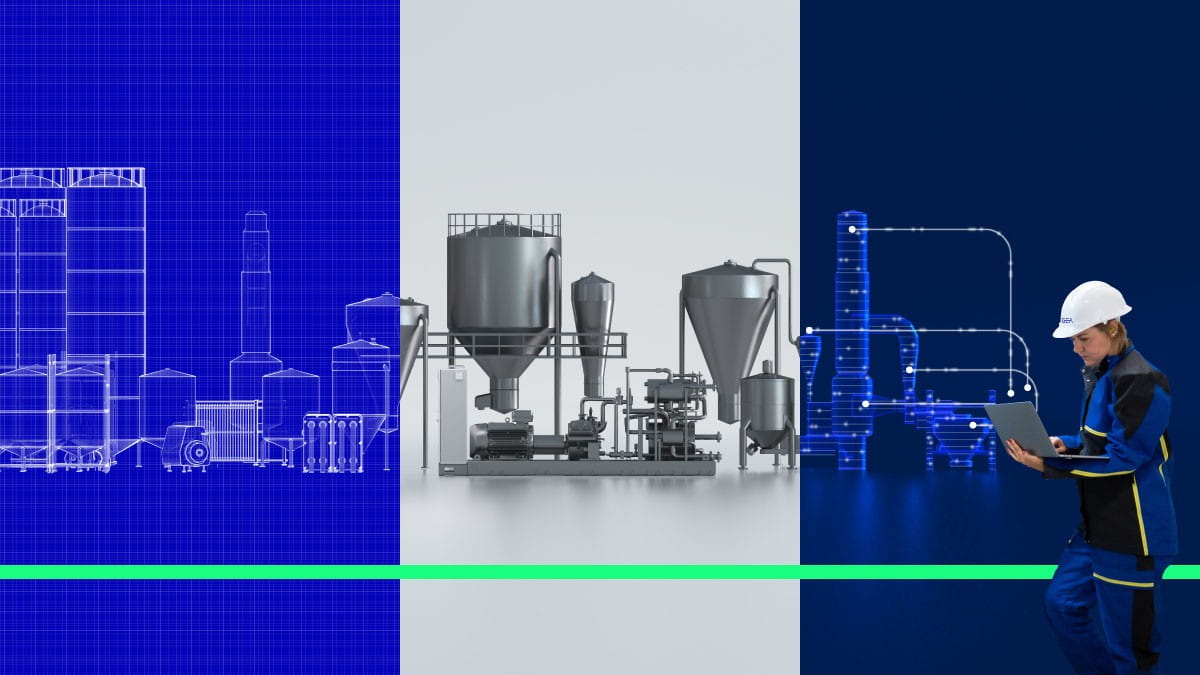
Beyond the machine: unlocking better plant performance
An efficient machine does not automatically make an efficient factory. Real improvement often starts by looking beyond individual equipment and understanding how processes, energy systems and operating decisions affect one another. It’s a holistic approach designed to uncover opportunities that might otherwise be missed.
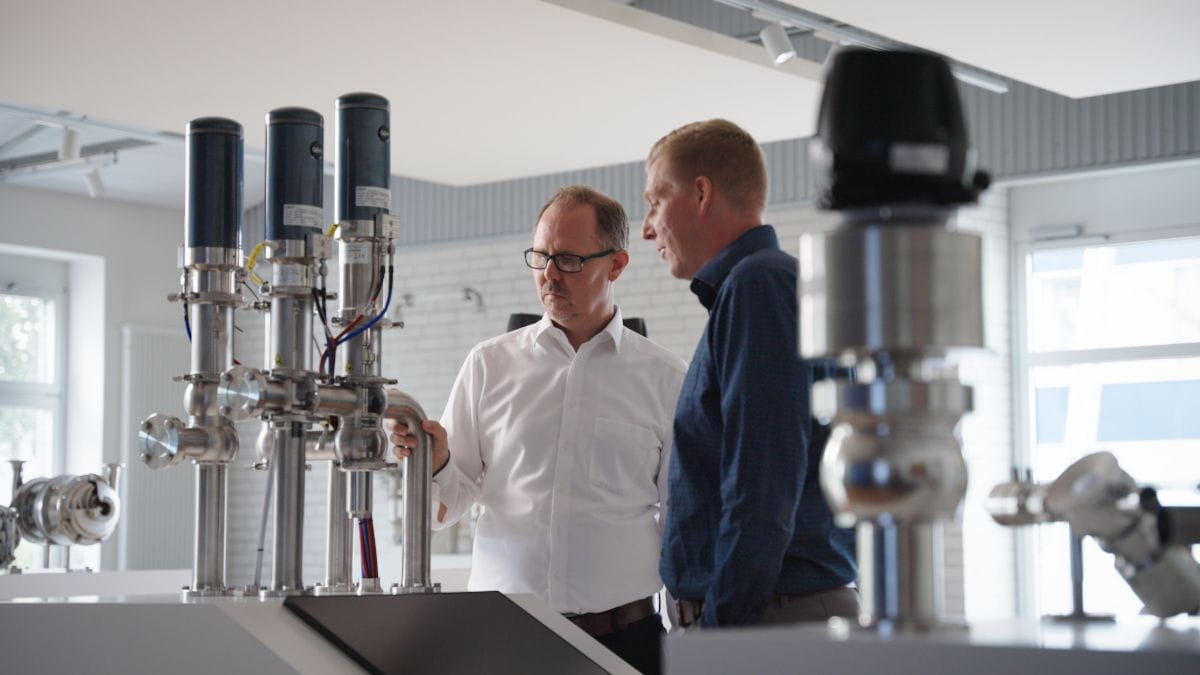
How a valve reshapes the way food and drinks are made
In food and beverage plants, valves are commonly operated using compressed air. GEA Hydract® Actuation Technology moves valves with water instead, in a closed, digitally controlled circuit. The result is a valve that can be held exactly in place and steered in fine-tuned steps. This results in lower energy use and greater control.
