


Technology and function of ceramic membrane elements

Ceramic Membranes
Dynamic filtration using ceramic membrane elements allows for the maximum mechanical and chemical stability, coupled with the lowest possible flow resistance. Membranes are constructed using a support made of pure α-Al2O3 with a macroporous structure. The membrane is applied to this support material and consists of at least one, but usually several, layers of highly porous ceramic, with a precisely defined texture. The layer with the finest porosity determines the filtration characteristics.
GEA offers a broad, application-specific range of membranes and element geometries with rated pore sizes of 1 to 1400 nanometers making them ideal for use in microfiltration and ultrafiltration processes.
The superb properties of such membrane elements are used successfully in GEA filter systems worldwide:
- Inert material
- Acid and lye resistant
- Solvent-resistant
- Regenerative
- Backflush capability
- Wear-resistant
- Long service life
- Reliable
- Heat-resistant, steam-sterilizable
The ceramic multi-channel element
The body of the basic module, the ceramic multi-channel element, is manufactured using highly porous ceramic material with several round channels running parallel to its longitudinal axis, with the membrane mounted on the surface.
The feed material flows into the channels along the membrane. A partial stream then passes through the membrane as filtrate and is discharged by the carrier material. The very high permeability makes the pressure loss on passing through the carrier so low that it is negligible compared with the pressure drop when passing through the extremely thin membrane.
Downloads


Аналитика GEA
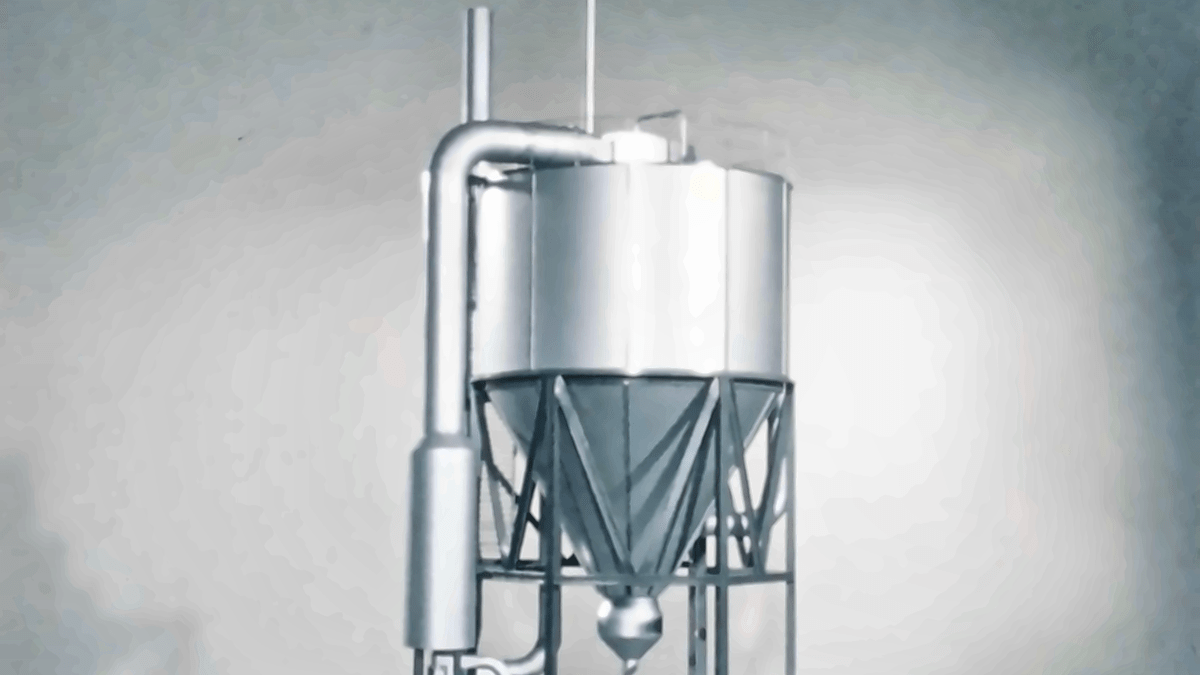
The breakthrough that changed spray drying
In 1976, NIRO engineers responded to a competitive challenge by rethinking what spray drying could do. Their idea became the multi-stage dryer MSD. Fifty years later, the same fundamental principle helps turn liquids into the powders used in essential nutrition products and important medicines around the world. Refined through decades of engineering expertise, customer insight and continuous development, MSD is a story of innovation with lasting impact.
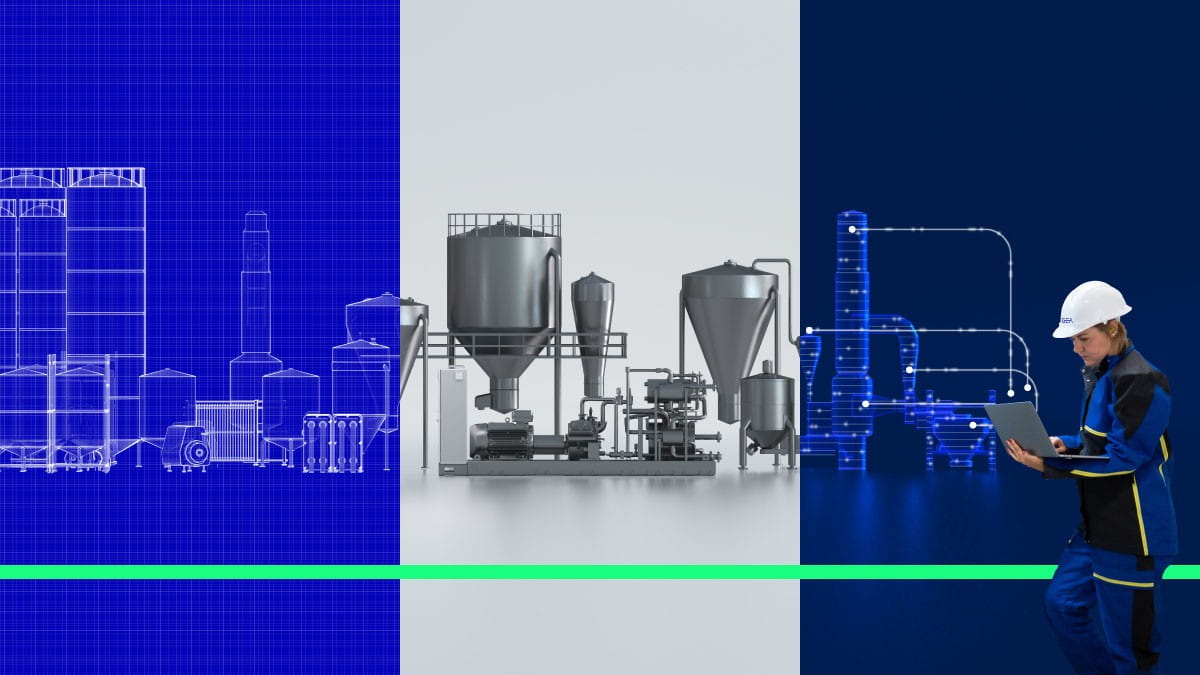
Не только оборудование: повышение эффективности работы предприятия
Эффективное оборудование не является автоматической гарантией эффективности всего предприятия. Реальные улучшения часто начинаются с того, что мы перестаем ограничиваться рассмотрением отдельных единиц оборудования и начинаем вникать в то, как технологические процессы, энергетические системы и эксплуатационные решения влияют друг на друга. Этот комплексный подход позволяет выявить возможности, которые в противном случае могли бы остаться незамеченными.
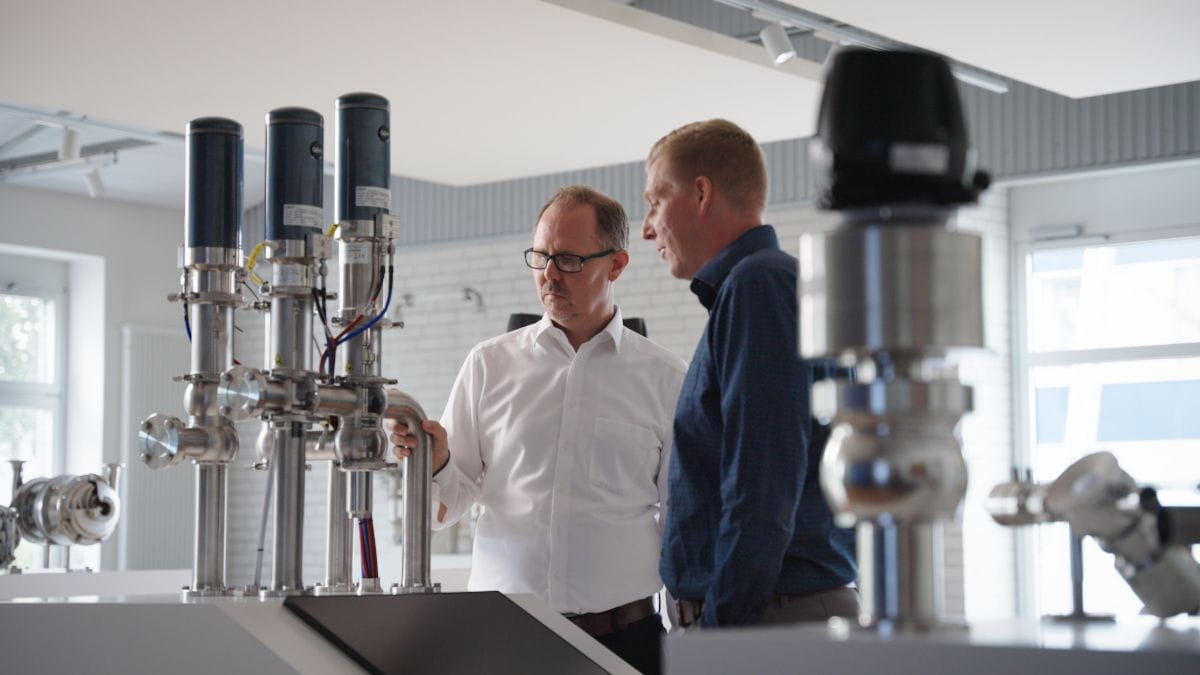
Как клапан меняет подход к производству продуктов питания и напитков
На предприятиях по производству продуктов питания и напитков клапаны, как правило, приводятся в действие с помощью сжатого воздуха. GEA Hydract® Actuation Technology обеспечивает привод клапанов с помощью воды в замкнутом контуре с цифровым управлением. Результатом стал клапан, который можно точно зафиксировать в нужном положении и регулировать с высокой точностью. Это обеспечивает снижение энергопотребления и повышение уровня контроля.
