
Besides Filtration and Separation dedusting devices, Sorption and Scrubbers -as flue gas and other gaseous components removal devices-, Selective Catalytic reactors for NOx removal or units to cool, quench and condition gas streams; GEA offers some specific processes for diverse dedicated applications.
These specific processes are:
- Heavy Metal removal
Applicable mainly for industrial applications in the cement and non-ferrous industries.
- Converter Gas Recovery (LT Process)
Applicable mainly for Iron & steel industries.
- Spray Drying Evaporator
Mainly for industrial applications in waste to Energy and non-ferrous industries.
- EP Absorber
Mainly for industrial applications in cement and non-ferrous industries.
- Bubble column
Mainly for industrial applications in the chemical industry.
- Aerosol Separator systems
Mainly for industrial applications in the chemical industry.
Products
Weergegeven 4 van 5

Aerosolscheidingssystemen
Direct voor de Venturi-hals wordt een geschikte wasvloeistof geïnjecteerd via speciale nozzles. Deze wordt homogeen verdeeld over de hele dwarsdoorsnede.

Bubble column reactor
Bubble Columns feature a high liquid to gas volume ratio, beneficial when conducting rather slow reactions in the liquid phase as large reaction volumes can be realized. Ideal when dry spots must be avoided in the contactor.

Converter gas recovery (LT process)
The conversion of hot metal into steel produces CO-laden gases of high caloric value. The recovery of these gases means to save a considerable amount of energy. The LT-Steel Gas Process has established worldwide.

Flue Gas Pre-treatment
GEA’s flue gas pretreatment provides advanced flue gas purification beyond emission control standards.
Downloads
GEA-inzichten
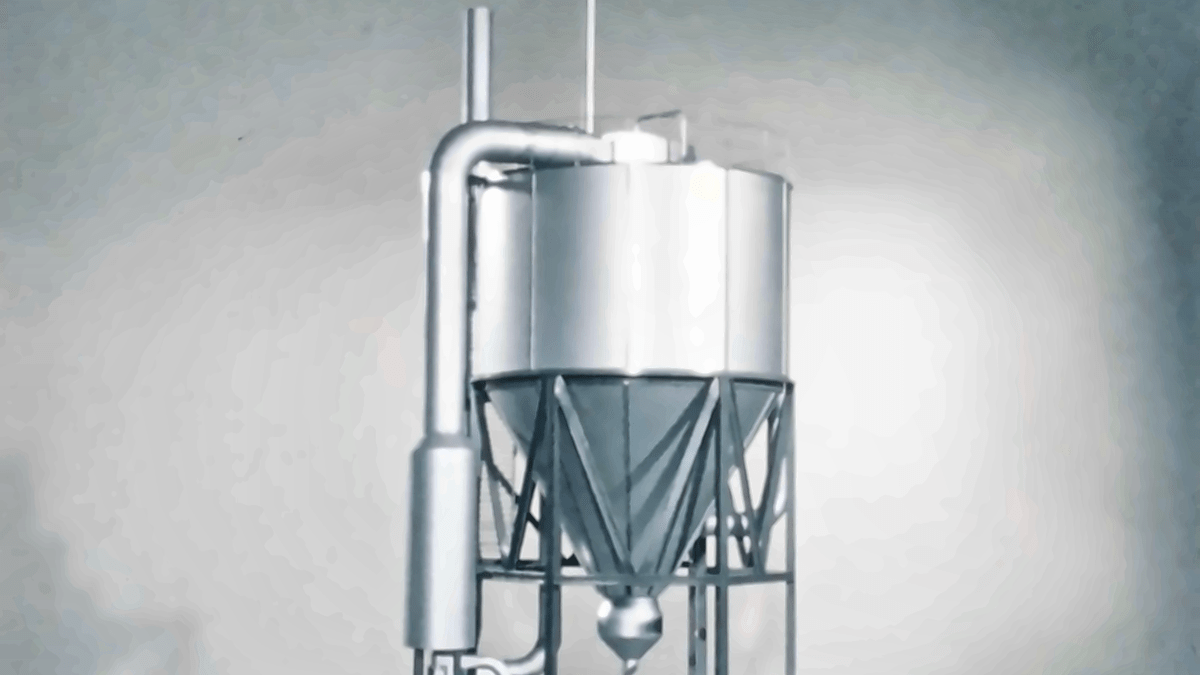
The breakthrough that changed spray drying
In 1976, NIRO engineers responded to a competitive challenge by rethinking what spray drying could do. Their idea became the multi-stage dryer MSD. Fifty years later, the same fundamental principle helps turn liquids into the powders used in essential nutrition products and important medicines around the world. Refined through decades of engineering expertise, customer insight and continuous development, MSD is a story of innovation with lasting impact.
Verder dan de machine: betere prestaties van de installatie ontsluiten
Een efficiënte machine betekent niet automatisch een efficiënte fabriek. Echte verbetering begint vaak met verder kijken dan de afzonderlijke apparatuur en met inzicht in hoe processen, energiesystemen en operationele beslissingen elkaar beïnvloeden. Het is een holistische benadering die bedoeld is om kansen te ontdekken die anders wellicht over het hoofd gezien zouden worden.
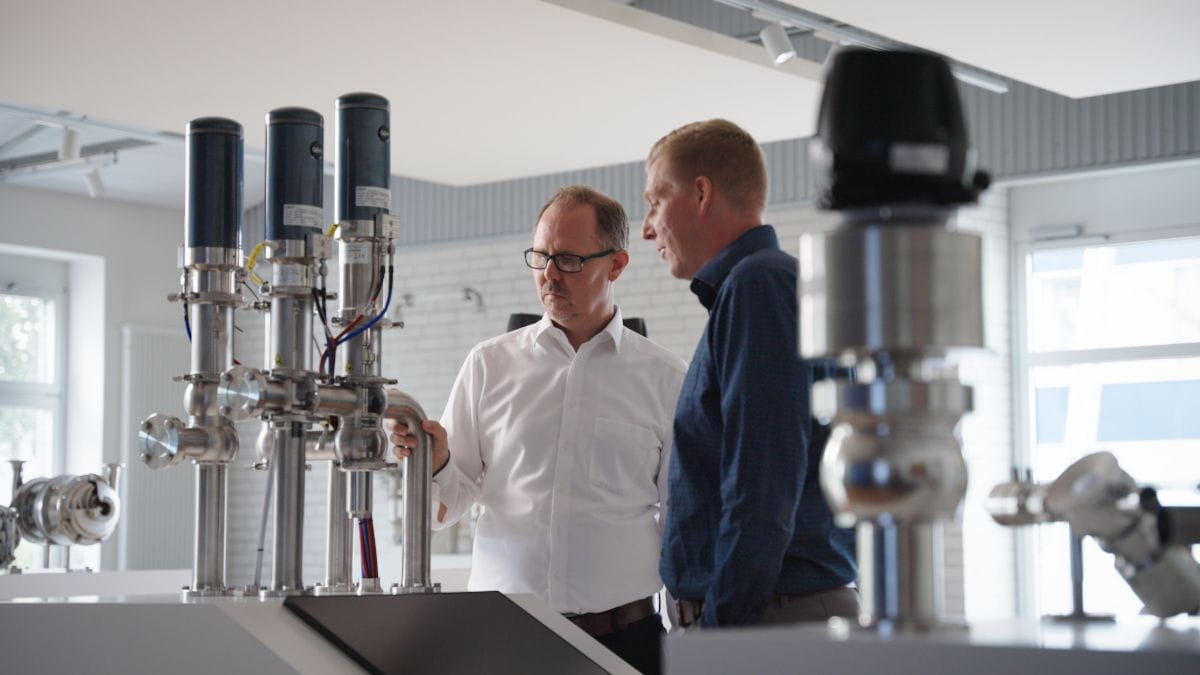
Hoe een klep de manier waarop eten en drinken worden gemaakt opnieuw vormgeeft
De kleppen in voedingsmiddelen- en drankinstallaties worden doorgaans met perslucht bediend. GEA Hydract® Actuation Technology stuurt kleppen daarentegen aan met water, in een gesloten, digitaal geregeld circuit. Het resultaat is een klep die precies op zijn plaats kan worden gehouden en in nauwkeurig afgestemde stappen kan worden aangestuurd. Dit leidt tot een lager energieverbruik en meer controle.
