
The dry sorption process refers to the practice of injecting a dry alkaline mineral into a flue gas stream to reduce acid gas emissions (i.e. SO3/H2SO4, HCl, SO2, and HF). Two basic steps are considered:
- The first step is injection of a dry sorbent into the entrained flow reactor providing sufficient physical and chemical reaction time to catch and agglomerate acidic gas and organic compounds as well as heavy metals.
- During the second step, these compounds are removed by a downstream particulate matter control device such as a baghouse filter, electrostatic precipitator or candle filter.
Hydrated lime (Ca [OH]2) is normally used as the absorbent, either directly as calcium hydroxide in the form of a dry powder or produced on site from calcium oxide (CaO) in a dry hydration plant. Other often used sorbents are trona (Na2CO3 ∙ NaHCO3 ∙ 2H2O) and sodium bicarbonate (NaHCO3).
Particular features:
- Highly reliable solution with low CAPEX
- Reagent used in dry form.
- SOx-removal results (limited to approx. 70%efficiency is pending on temperature and watercontent of fluegas)
- Small footprint equipment.
- Different kinds of dry reagent can be used.
- Dry reaction products (removed from gas in the precipitator) can be recycled to feed.

Working Principle
Working Principle of Dry sorption with entrained flow reactorA dry reagent for SOx removal is injected to the raw gas upstream of the Entrained Flow Reactor where the chemical reaction takes place.
Reaction products are removed from the gas together with the furnace dust (dedusting) in the dedusting equipment.
The essential process stages are:
- Absorbent preparation and dosing
- Removal of SOx (acid gases) in the reactor
- Particulate removal device (ESP, bag filter, candle filter)
- Solids recirculation and product discharge


Downloads
Aanverwante producten

Removal of SOx by wet scrubbing
For the wet desulphurization of flue gas, a scrubbing liquid is recirculating and injected to the exhaust where SOx is absorbed in the liquid and reacts. Simultaneously, the flue gas is saturated with water vapor. The reagent is fed to the sump of the scrubber unit and intermittent dewatering is used to drain the reaction agent.

Sproeidroogabsorber
Met sproeidroogabsorbers kunnen zure vervuilende stoffen, zware metalen en stof uit rook- en afvalgassen worden verwijderd bij krachtcentrales, afvalverbrandingsinstallaties en industriële installaties die werken op fossiele brandstoffen.
GEA-inzichten
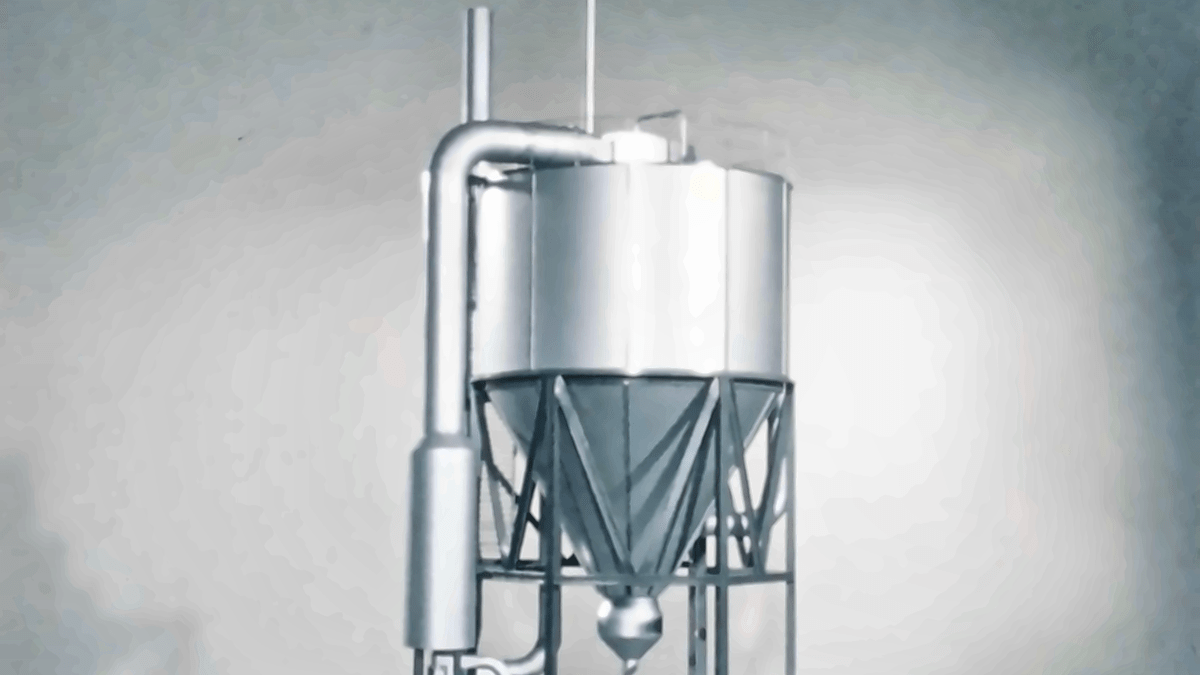
The breakthrough that changed spray drying
In 1976, NIRO engineers responded to a competitive challenge by rethinking what spray drying could do. Their idea became the multi-stage dryer MSD. Fifty years later, the same fundamental principle helps turn liquids into the powders used in essential nutrition products and important medicines around the world. Refined through decades of engineering expertise, customer insight and continuous development, MSD is a story of innovation with lasting impact.

Verder dan de machine: betere prestaties van de installatie ontsluiten
Een efficiënte machine betekent niet automatisch een efficiënte fabriek. Echte verbetering begint vaak met verder kijken dan de afzonderlijke apparatuur en met inzicht in hoe processen, energiesystemen en operationele beslissingen elkaar beïnvloeden. Het is een holistische benadering die bedoeld is om kansen te ontdekken die anders wellicht over het hoofd gezien zouden worden.
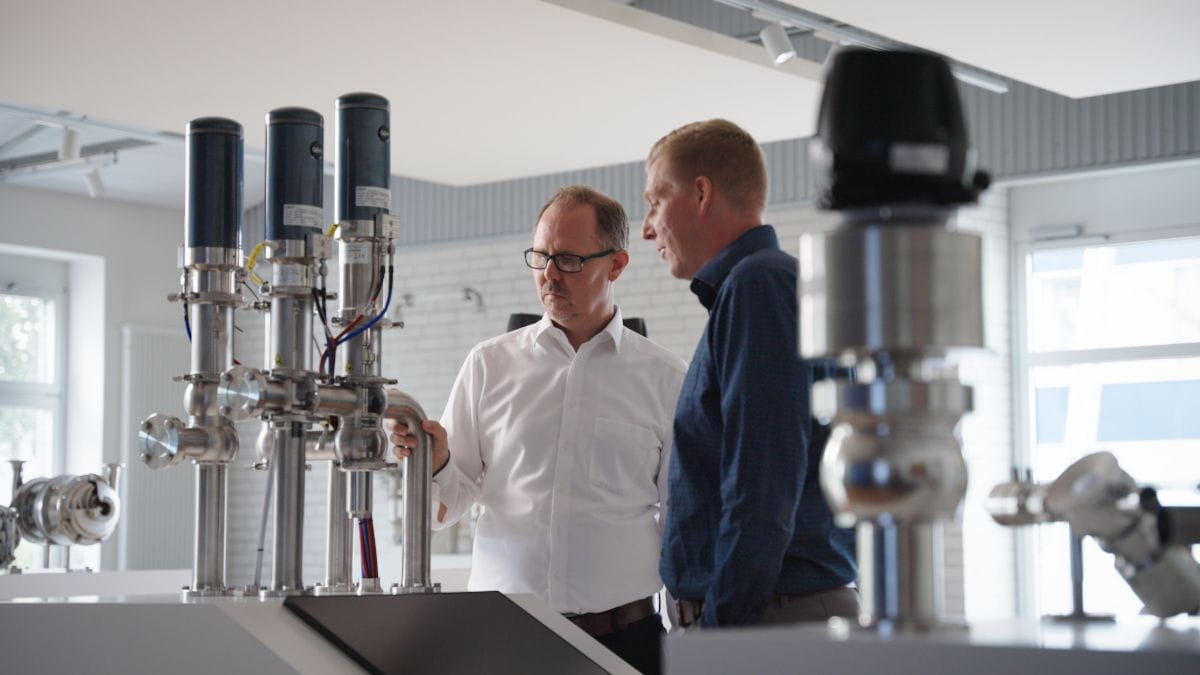
Hoe een klep de manier waarop eten en drinken worden gemaakt opnieuw vormgeeft
De kleppen in voedingsmiddelen- en drankinstallaties worden doorgaans met perslucht bediend. GEA Hydract® Actuation Technology stuurt kleppen daarentegen aan met water, in een gesloten, digitaal geregeld circuit. Het resultaat is een klep die precies op zijn plaats kan worden gehouden en in nauwkeurig afgestemde stappen kan worden aangestuurd. Dit leidt tot een lager energieverbruik en meer controle.
