
Gas conditioning towers (GCT) are used in industrial applications to cool gases upstream of electrostatic precipitators / bag filters for effective temperature control, gas volume reduction and humidification by the evaporation of water. GEA provide the two available atomization technologies utilized in the evaporative cooling process are hydraulic atomization and twin-fluid atomization. Key parameter for GCT sizing is in addition to the amount of flue gas, inlet and outlet temperature mainly the attainable droplet size and the associated energy consumption.
Key features:
- Low maintenance and low maintenance costs
- Compact design
- Cleaning function available only after a specific deadtime
Working Principle
Working Principle of Gas Conditioning Towers
Hydraulic atomization with single fluid, spillback nozzles with larger droplet sizes provide less energy consumption but require a larger casing design and more purity on the cooling water. The amount of liquid injected is adjusted via a control valve in the spillback line, whereby part of the flow is taken from the inlet flow rate and returned to the buffer tank.
Twin fluid technology utilizes compressed air or steam to atomize the water into droplets via a spray injection nozzle/lance as well. The water and compressed air (the two fluids) combine inside the nozzle and exit into the flue gas stream. Smaller droplet sizes lead to smaller casing design and even wastewater can be used for Zero Liquid Discharge (ZLD) where recovered waste heat supports efficient evaporation of water for compliance with wastewater discharge limits.
The GCT casing structural design covers full under pressure of ID fan and is providing adequate gas distribution with deflection-, guide- and perforated sheets in the inlet area.
The transport of dust from the housing is taken into account for possible malfunctions with a reversible paddle screw and motor-driven double pendulum flaps on both sides.

Downloads
Aanverwante producten

Heetgasblussystemen
Verticaal staande gasscrubberbuis met gasingang van boven en radiaal gerangschikte sproeinozzles op de buis onder de gasingang.

Koelkolommen
Verticale buis met een gasinlaat van benedenaf en radiale werking van de reinigingsvloeistof van bovenaf over de hele buisdoorsnede.

GEA blustoren
Snel koelen of blussen van gasstromen wordt gebruikt in een aantal essentiële toepassingen binnen de procesindustrie. De selectie en grootte van sproeinozzles zijn de meest kritieke beslissingen in het systeemontwerp. Het ontwerp van GEA blustorens bestaat uit een open vat waarin vloeistof wordt gesproeid dat in contact komt met het gas. Het gas ...
GEA-inzichten
The breakthrough that changed spray drying
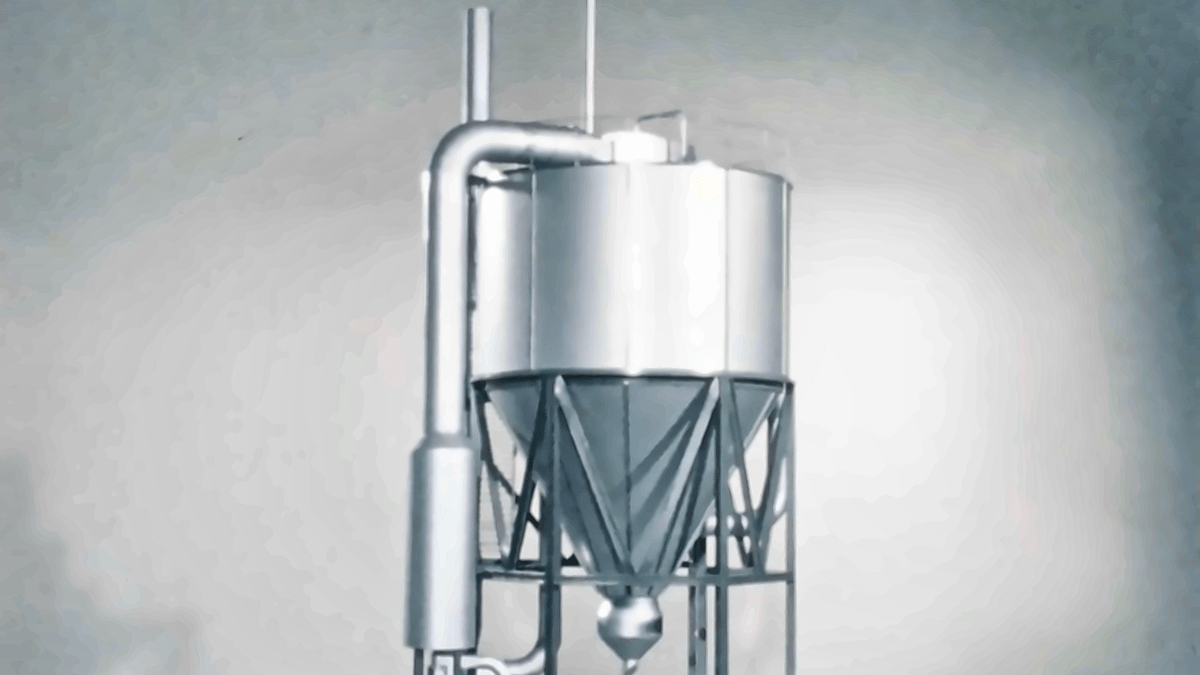
In 1976, NIRO engineers responded to a competitive challenge by rethinking what spray drying could do. Their idea became the multi-stage dryer MSD. Fifty years later, the same fundamental principle helps turn liquids into the powders used in essential nutrition products and important medicines around the world. Refined through decades of engineering expertise, customer insight and continuous development, MSD is a story of innovation with lasting impact.

Verder dan de machine: betere prestaties van de installatie ontsluiten
Een efficiënte machine betekent niet automatisch een efficiënte fabriek. Echte verbetering begint vaak met verder kijken dan de afzonderlijke apparatuur en met inzicht in hoe processen, energiesystemen en operationele beslissingen elkaar beïnvloeden. Het is een holistische benadering die bedoeld is om kansen te ontdekken die anders wellicht over het hoofd gezien zouden worden.

Hoe een klep de manier waarop eten en drinken worden gemaakt opnieuw vormgeeft
De kleppen in voedingsmiddelen- en drankinstallaties worden doorgaans met perslucht bediend. GEA Hydract® Actuation Technology stuurt kleppen daarentegen aan met water, in een gesloten, digitaal geregeld circuit. Het resultaat is een klep die precies op zijn plaats kan worden gehouden en in nauwkeurig afgestemde stappen kan worden aangestuurd. Dit leidt tot een lager energieverbruik en meer controle.
