


Increase your DCO recovery rates: 3-phase decanters from GEA with Varipond C
Why Choose a 3‑Phase Decanter for DCO Recovery?
1. High Corn Oil Yield from Whole Stillage
3‑phase decanters separate solids, water, and oil in a single, continuous step, making it ideal for recovering corn oil before the actual stillage decanter, or after the evaporation stage.

3-phase decanters separate the whole stillage into DCO, thin stillage and wet distillers grain in one single step.
2. Stable Performance — Even with Process Variability
Stillage composition can vary with upstream fermentation conditions, grind quality, or enzyme performance. A 3‑phase decanter is engineered to handle these fluctuations, maintaining stable dryness, oil separation efficiency, and centrate clarity. The result: consistent DCO recovery, day after day.
3. Lower Energy Consumption in Downstream Processes
By removing more free and emulsified oil early, the remaining thin stillage requires less energy in evaporation and produces a more stable syrup (CDDGS/DDGS). Improved phase separation also reduces load on downstream disk stack centrifuges - cutting energy use and extending equipment life.
4. Maximum Flexibility for Bioethanol Plant Operations
3‑phase decanters integrate seamlessly into both new and existing bioethanol plants. They can be configured to recover oil from whole stillage, thin stillage or syrup and work as the primary or secondary oil recovery step. This flexibility makes it easy to tailor the system to plant capacity, oil yield targets, and process layout.
5. High-Quality Corn Oil Output
With precise control of differential speed, pond depth, and feed conditioning, a 3‑phase decanter produces a clean oil phase with lower moisture and solids. Higher oil purity means better market value and improved downstream handling.
Speaking of control
GEA Varipond C
With GEA Varipond C adjusting your 3-phase decanters to changing feed conditions, flow rates or even feedstocks can be done instantly and directly at the running machine. Just select the respective diameter and the position of the centripetal pump adjusts the separation zone inside the bowl.
It is easy, fast, precise and even easily repeatable if saved as recipe in your control system.
Key benefits for 3-phase DCO and stillage decanters
- Higher DCO recovery from stillage
- Reduced energy costs in evaporation
- Improved DDGS quality thanks to less residual oil
- Stable performance under variable plant conditions
- Robust, low-maintenance design for 24/7 operation
- Optimized integration with existing plant equipment
Boost Revenue and Efficiency with a 3‑Phase Decanter
Whether your goal is to increase corn oil yield, reduce operational costs, or optimize the entire coproduct stream, a 3‑phase decanter delivers measurable advantages across the bioethanol process. By adding this technology, plants can extract more value, improve sustainability metrics, and strengthen overall profitability

GEA-inzichten
De doorbraak die het sproeidrogen veranderde
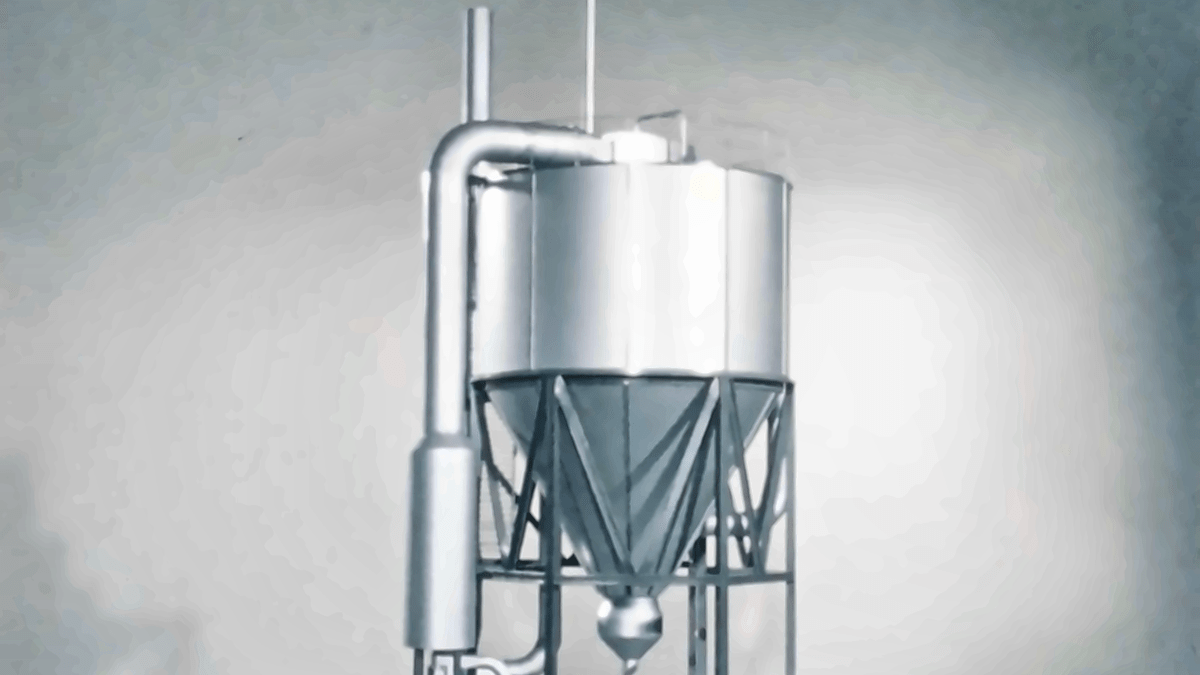
In 1976 gingen de ingenieurs van NIRO een concurrentie-uitdaging aan door de mogelijkheden van sproeidrogen opnieuw te bekijken. Hun idee leidde tot de meertraps droger MSD. Vijftig jaar later zorgt datzelfde basisprincipe ervoor dat vloeistoffen worden omgezet in poeders die wereldwijd worden gebruikt in essentiële voedingsproducten en belangrijke geneesmiddelen. MSD is het resultaat van tientallen jaren technische expertise, klantinzicht en voortdurende ontwikkeling, en is een verhaal van innovatie met blijvende impact.

Verder dan de machine: betere prestaties van de installatie ontsluiten
Een efficiënte machine betekent niet automatisch een efficiënte fabriek. Echte verbetering begint vaak met verder kijken dan de afzonderlijke apparatuur en met inzicht in hoe processen, energiesystemen en operationele beslissingen elkaar beïnvloeden. Het is een holistische benadering die bedoeld is om kansen te ontdekken die anders wellicht over het hoofd gezien zouden worden.

Hoe een klep de manier waarop eten en drinken worden gemaakt opnieuw vormgeeft
De kleppen in voedingsmiddelen- en drankinstallaties worden doorgaans met perslucht bediend. GEA Hydract® Actuation Technology stuurt kleppen daarentegen aan met water, in een gesloten, digitaal geregeld circuit. Het resultaat is een klep die precies op zijn plaats kan worden gehouden en in nauwkeurig afgestemde stappen kan worden aangestuurd. Dit leidt tot een lager energieverbruik en meer controle.
