

Benefits of our centrifuges
Understanding the importance of slop oil treatment
Slop oil and oily sludge are by-products of upstream and downstream oil processes, generated from various sources such as DAF units, API separators, lagoons, oil pits, and tank bottoms. These waste streams contain a high percentage of oil, water, and solids, making them difficult to manage due to their high viscosity, emulsion content, and abrasive particles. Proper treatment of slop oil is crucial as it reduces hazardous waste volumes, minimizes environmental impact, and recovers valuable hydrocarbons that would otherwise be lost.
GEA's advanced solutions for efficient slop oil treatment
GEA offers a comprehensive solution for the treatment of slop oil, combining mechanical separation with heating and chemical enhancement. Our decanter centrifuges and disk-type separators are tailored to handle varying compositions of slop oil, ensuring efficient recovery of saleable hydrocarbons and reducing overall disposal costs. GEA's expertise in centrifugal separation technology ensures that our customers receive reliable, high-performance solutions that meet their specific needs.
Explosion protection according to ATEX standard
Explosion-protected versions for the zone 2 or zone 1 according to ATEX compliance make for maximum safety in all relevant process stages. Thanks to our blanketing principle, products which are classified as hazardous can also be heated and processed reliably at temperatures above their flash point.
Single stage treatment
For feedstock material that can be efficiently processed through dewatering and simultaneous oil and water separation, GEA's 3-phase single-stage decanter centrifuges are the preferred solution. These centrifuges can handle high solid content achieving maximum dewatering and clarification in one stage, making them ideal for easier slop oil treatment requirements.

Single-stage treatment with 3-phase decanter centrifuge
Double stage treatment
In cases where the feedstock is more challenging to treat or higher oil quality is required, GEA's double-stage treatment process becomes more viable. This involves using 2-phase decanter centrifuges followed by high-speed disk stack centrifuges. The disk stack machines process the decanter centrate phase, separating ultra-fine particles and maximizing water removal. This results in a high-quality oil product that can be merchandized similarly to crude oil.

Double-stage treatment with 2-phase decanter centrifuges and disk stack centrifuges
Why GEA for efficient slop oil treatment
GEA's advanced centrifugal separation technology offers a robust and efficient solution for the treatment of slop oil and oily sludge. Our tailored single and double-stage treatment processes ensure maximum recovery of valuable hydrocarbons while minimizing environmental impact and disposal costs. With GEA, you can trust in a partner that delivers reliable, high-performance solutions backed by over a century of expertise in the field.

3-stage treatment with 2-phase decanter and two disk stack centrifuges


Producten & technologieën
Weergegeven 1 van 1

Downloads
GEA-inzichten
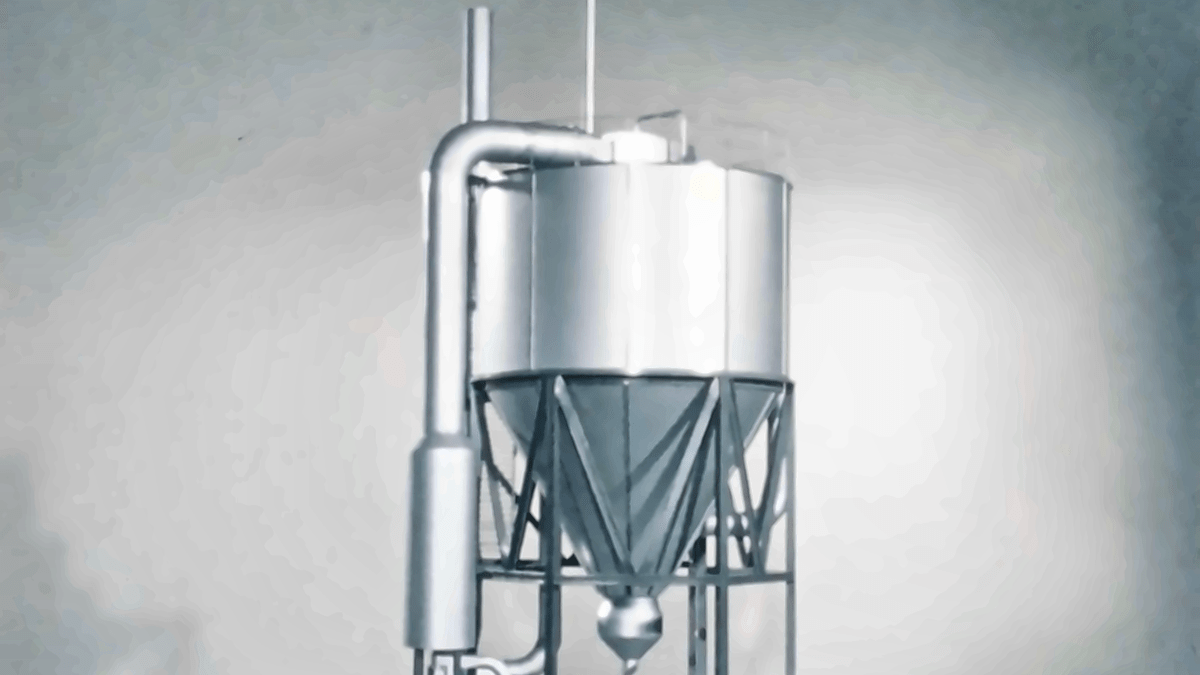
De doorbraak die het sproeidrogen veranderde
In 1976 gingen de ingenieurs van NIRO een concurrentie-uitdaging aan door de mogelijkheden van sproeidrogen opnieuw te bekijken. Hun idee leidde tot de meertraps droger MSD. Vijftig jaar later zorgt datzelfde basisprincipe ervoor dat vloeistoffen worden omgezet in poeders die wereldwijd worden gebruikt in essentiële voedingsproducten en belangrijke geneesmiddelen. MSD is het resultaat van tientallen jaren technische expertise, klantinzicht en voortdurende ontwikkeling, en is een verhaal van innovatie met blijvende impact.

Verder dan de machine: betere prestaties van de installatie ontsluiten
Een efficiënte machine betekent niet automatisch een efficiënte fabriek. Echte verbetering begint vaak met verder kijken dan de afzonderlijke apparatuur en met inzicht in hoe processen, energiesystemen en operationele beslissingen elkaar beïnvloeden. Het is een holistische benadering die bedoeld is om kansen te ontdekken die anders wellicht over het hoofd gezien zouden worden.

Hoe een klep de manier waarop eten en drinken worden gemaakt opnieuw vormgeeft
De kleppen in voedingsmiddelen- en drankinstallaties worden doorgaans met perslucht bediend. GEA Hydract® Actuation Technology stuurt kleppen daarentegen aan met water, in een gesloten, digitaal geregeld circuit. Het resultaat is een klep die precies op zijn plaats kan worden gehouden en in nauwkeurig afgestemde stappen kan worden aangestuurd. Dit leidt tot een lager energieverbruik en meer controle.
