

GEA yeast separators – a century of constant innovation
In 1904, GEA developed the first yeast separator. Just one year later, in 1905, 20 yeast centrifuges, with a capacity of 125 l / h per machine, were delivered to the Bramsch yeast factory in Teplitz. When sliding bearings were replaced by ball bearings in 1921, the capacity of the machines increased rapidly. The first centripetal pump machine, namely the HD 50, enabled the clarified liquid to be discharged under pressure. This solution very much simplified the overall separation process. In 1983, GEA built the largest yeast separator in the world, namely the HDA 300, with a capacity of up to 260 m3 / h yeast wort.

First yeast recovery plant with 20 separators installed at C. Bramsch in Teplitz in 1905
Stable process conditions with viscon
In subsequent years greater emphasis has been placed on closed systems which were able to respond in a flexible manner to product fluctuations and which ensured a constantly high concentration of end product. Accordingly, 1990 saw the arrival of the viscon® system – separators featuring an automatic viscosity control facility (viscosity-controlled nozzles) for the yeast cream, which is discharged under pressure from the separator in a closed system. Nowadays, the research engineers in the field of separator development are working on the requirements of organisms such as yeast in the future. viscon® separators are designed in the form of a modular system. This means that machines can also be built in the form of sterilizable separators and can be used in the sterile environments of biotechnology for yeast applications.
HFx separator series with automatic flow control
The development of the viscosity controlled nozzles (viscon®) signalled the end of annoying adjustments to the separators’ parameters in response to changes in the feed conditions, with the result that the solids concentration in the discharge is now constant. The HF series of nozzle separators represents state-of-the-art technology in the production of baker’s yeast and yeast extract. Consisting of a swirl chamber and the downstream outlet nozzle, these special nozzles automatically modify the flow. If, for example, the concentration in the outlet is too low, the volumetric flow reduces and the concentration increases. If, on the other hand, the concentration is too high, the nozzle increases the volumetric flow, which correspondingly reduces the concentration.
Features & Benefits
- Extensive selection of nozzle separators in varying sizes to cover any capacity required
- Use of special viscon® nozzles ensures constant discharge concentration, even when feed conditions change
- Avoidance of shearing forces thanks to hydrohermetic feed and the location of the discharge nozzles on the bowl top
- Enclosed product handling as a result of the concentrate and the clarified phase being discharged by centripetal pump
- All separators are completely CIP capable
- Intelligent discharge systems ensure minimum product losses, high flexibility and precision in solids discharge
All separators are equipped as standard with low-maintenance flat belt drives. The larger separators can also be equipped with GEA’s direct drive for
- Higher capacity with same energy input
- Smaller footprint
- No belt tensioning thus less maintenance required
Downloads

Сервисные продукты

Удаленные заводские приемо-сдаточные испытания центрифуг GEA
Даже когда «удаленный» означает «на вашей территории»

Международная сеть ремонта центрифуг GEA
Благодаря всемирной сети из 17 авторизованных ремонтных мастерских наши сервисные специалисты всегда находятся в зоне вашей досягаемости и оказывают поддержку в обслуживании оборудования, его сопровождении и поставке запасных частей.
Связанные видеоролики
Let’s get connected – digital solutions for GEA centrifuges
Let’s get connected – digital solutions for GEA separators and decanters
Stay stronger with GEA Service Level Agreements
Аналитика GEA

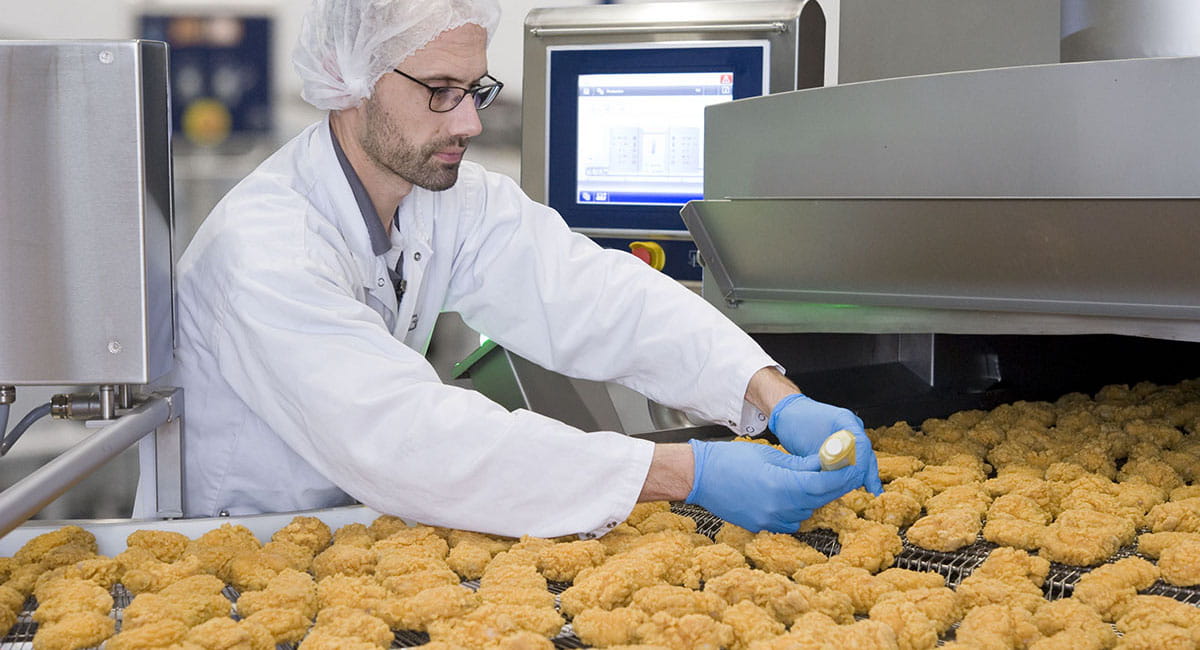
Освоение искусства промышленного приготовления пищи: От преодоления сложностей к осуществлению контроля
Промышленное приготовление пищи не обязательно должно быть сложным. Откройте для себя стратегии и технологии, которые позволяют повысить уровень контроля, стабильность, эффективность и качество продуктов.

Формула воды
Засухи стали обычным явлением по всей Европе, и они уже не ограничиваются только южными регионами. Доступность воды во все большей степени определяет выбор места размещения промышленных предприятий, при этом ее ценность зависит от местных условий. Существует множество технологических путей повышения эффективности использования воды в промышленных процессах, при этом ключевыми факторами также являются местоположение, потребности в энергии и другие факторы.
