
Gas conditioning towers (GCT) are used in industrial applications to cool gases upstream of electrostatic precipitators / bag filters for effective temperature control, gas volume reduction and humidification by the evaporation of water. GEA provide the two available atomization technologies utilized in the evaporative cooling process are hydraulic atomization and twin-fluid atomization. Key parameter for GCT sizing is in addition to the amount of flue gas, inlet and outlet temperature mainly the attainable droplet size and the associated energy consumption.
Key features:
- Low maintenance and low maintenance costs
- Compact design
- Cleaning function available only after a specific deadtime
Working Principle
Working Principle of Gas Conditioning Towers
Hydraulic atomization with single fluid, spillback nozzles with larger droplet sizes provide less energy consumption but require a larger casing design and more purity on the cooling water. The amount of liquid injected is adjusted via a control valve in the spillback line, whereby part of the flow is taken from the inlet flow rate and returned to the buffer tank.
Twin fluid technology utilizes compressed air or steam to atomize the water into droplets via a spray injection nozzle/lance as well. The water and compressed air (the two fluids) combine inside the nozzle and exit into the flue gas stream. Smaller droplet sizes lead to smaller casing design and even wastewater can be used for Zero Liquid Discharge (ZLD) where recovered waste heat supports efficient evaporation of water for compliance with wastewater discharge limits.
The GCT casing structural design covers full under pressure of ID fan and is providing adequate gas distribution with deflection-, guide- and perforated sheets in the inlet area.
The transport of dust from the housing is taken into account for possible malfunctions with a reversible paddle screw and motor-driven double pendulum flaps on both sides.

Downloads
Powiązane produkty

Systemy chłodzenia gorącego gazu
Pionowo ustawiona rura płuczki z wlotem gazu od góry i dyszami natryskowymi w układzie promieniowym na rurze poniżej wlotu gazu.

Kolumny chłodnicze
Pionowa rura z wlotem gazu od spodu i promieniste płukanie płynem płuczącym z góry po całym przekroju rury.

Wieża gaśnicza firmy GEA
Gwałtowne chłodzenie podczas gaszenia strumieni gazu jest wykorzystywane w wielu niezbędnych zastosowaniach w przemyśle. Wybór rozmiaru dysz spryskiwacza to jedna z najważniejszych decyzji w projektowaniu systemu. Wieża gaśnicza firmy GEA składa się z otwartego zbiornika, w którym rozpylany jest płyn wchodzący w kontakt z gazem. Gaz przedostaje s...
GEA Insights
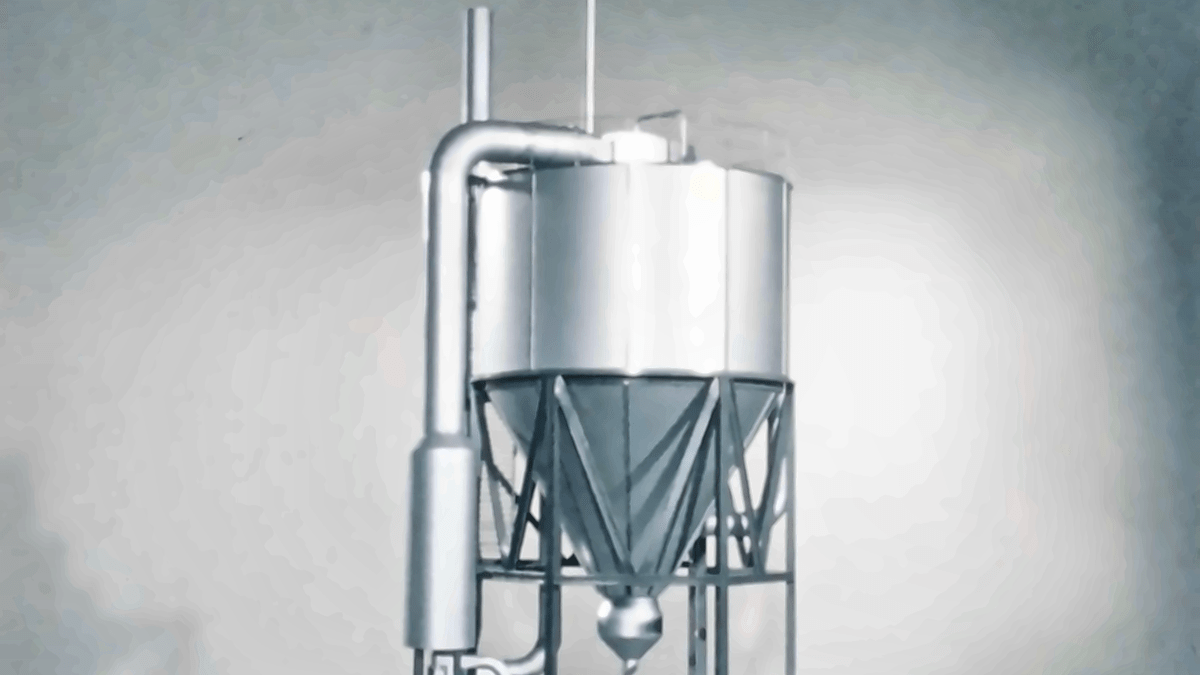
The breakthrough that changed spray drying
In 1976, NIRO engineers responded to a competitive challenge by rethinking what spray drying could do. Their idea became the multi-stage dryer MSD. Fifty years later, the same fundamental principle helps turn liquids into the powders used in essential nutrition products and important medicines around the world. Refined through decades of engineering expertise, customer insight and continuous development, MSD is a story of innovation with lasting impact.

Więcej niż maszyna: klucz do poprawy wydajności zakładu
Wydajność maszyny nie przekłada się automatycznie na wydajność fabryki. Prawdziwa poprawa często zaczyna się od wyjścia poza ramy poszczególnych urządzeń i zrozumienia, w jaki sposób wzajemnie na siebie oddziałują procesy, systemy energetyczne i decyzje operacyjne. Jest to podejście kompleksowe, mające na celu odkrycie możliwości, które w przeciwnym razie mogłyby zostać przeoczone.
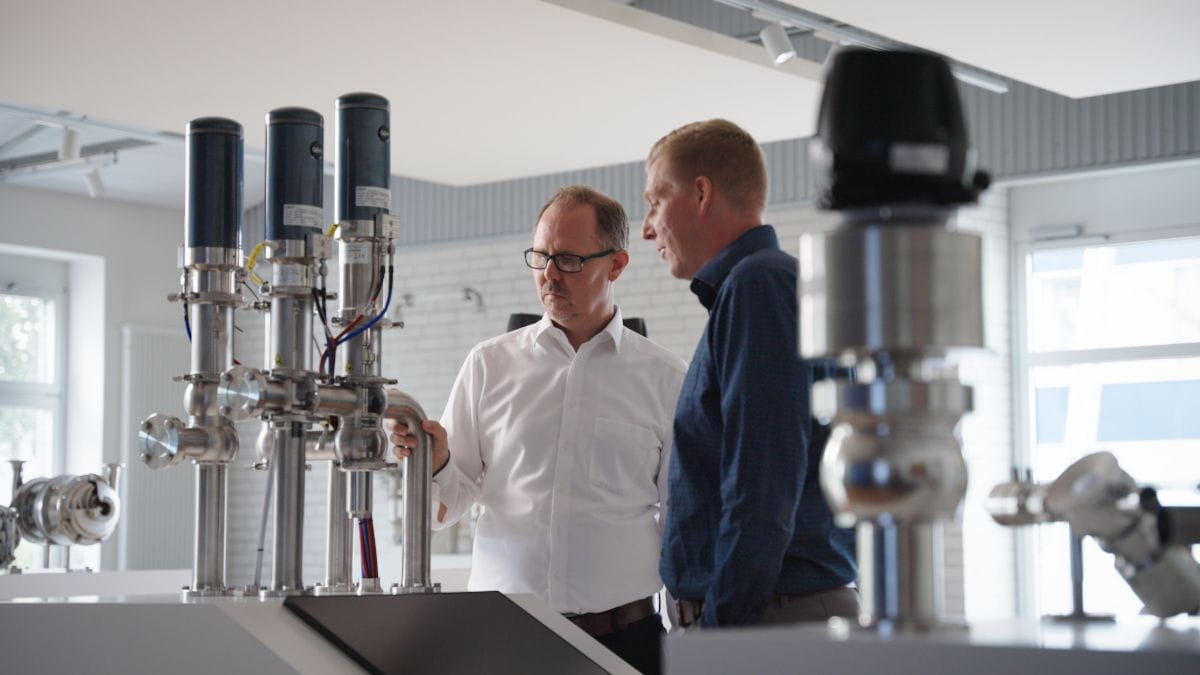
W jaki sposób zawór może wpływać na sposób produkcji żywności i napojów
Zazwyczaj w zakładach produkujących żywność i napoje zawory są uruchamiane za pomocą sprężonego powietrza. Tymczasem w GEA Hydract® Actuation Technology do sterowania zaworami wykorzystuje się wodę w zamkniętym obiegu sterowanym cyfrowo. W rezultacie otrzymujemy zawór, który można precyzyjnie utrzymać w odpowiednim położeniu i sterować nim z dużą dokładnością. Skutkuje to mniejszym zużyciem energii i większą kontrolą.
