

Better performance meets better yields
The GEA OptiSlicer 7000 is engineered for maximum slicing capacity while making efficient use of production space. Its wide throat (measuring 500 mm x 200 mm) enables high-throughput slicing and can process up to four sausages of 110 mm caliber simultaneously. This allows it to deliver up to 2,000 kg/h (depending on product and application).
It is available in two configurations: a single-drive version for high-volume slicing of calibrated products and an optional dual-drive version designed to maximize yield when slicing irregular or natural products.
Featuring advanced involute blade technology (R470 or R505), the OptiSlicer 7000 delivers smooth, uniform slices with minimal variation. The newly developed R505 blade, with its extended cutting edge and optimized push-pull ratio, further improves portioning quality and consistency across all lanes.
For natural products, the OptiSlicer 7000 can be paired with GEA’s X-ray or optical scanning systems. This integration takes slicing accuracy to the next level, minimizing giveaway, maximizing raw material usage and increasing overall yield.


Technical details
|
|
GEA OptiSlicer 7000 – 1200 |
GEA OptiSlicer 7000 – 1850 |
|
|
Type of blade |
Involute blade |
Involute blade |
|
|
Blade size |
R 470 mm / R 505 mm (Option) |
R 470 mm / R 505 mm (Option) |
|
|
Max. blade speed |
1,500 rpm |
1,500 rpm |
|
|
Cutting cross-section* |
Width of 500 mm up, |
Width of 500 mm up, |
|
|
Max. product length |
1,200 mm |
1,850 mm |
|
|
Machine dimensions (L × H × W) |
4,260 × 2,285 × 1,404 mm |
5,518 × 2,783 × 1,404 mm |
|
|
Product loading |
Automatic |
Automatic |
|
|
GEA Interleaver |
Option, 2 lanes independent |
Option, 2 lanes independent |
|
|
GEA Folding Device |
Option |
Option |
|
|
Digital services |
Option, GEA Insight / Remote Partner |
Option, GEA Insight / Remote Partner |
|
Notes:
- *Depends on machine configuration, product features and application.
- Power supply (max.): 11 kW, compressed air in accordance with 7-4-4-ISO8573-1: 6 bar 615-600 l/min, depending on the machine specification
- Noise emission in accordance with EN ISO 11204: < 76 dB (A)
Tailored to your application
The GEA OptiSlicer 7000 can be configured with a range of smart options to meet specific production needs. Add-ons like the GEA Check 4000 enable in-line portion weighing for tighter weight control, while the GEA OptiScanner range ensures precise slicing of irregular products with minimal giveaway. For folding portions, GEA has a folding device, which is located in the slicing area and adjustable in three directions. For premium presentation, the OptiSlicer can also be equipped with a film or paper interleaver; ideal for cheese and high-value products.
Downloads


Get in touch
A partnership beyond machines
Whether you're launching new products or upgrading existing lines, the GEA OptiSlicer 7000 is designed to deliver lasting value—through higher yields, improved efficiency and consistent quality. Our specialists work closely with you to evaluate your production needs and explore where the OptiSlicer 7000 can make a difference for you.
From first consultation to ongoing service, GEA offers more than just machinery. With global expertise, short lead times and comprehensive support, we’re here to help you build a smarter, more efficient slicing process.
Prestations de services

GEA Service level agreements
Discover how GEA’s advanced technologies and tailored services optimize productivity, sustainability, and automation for your food processing or packaging business.

Making the cut
Our high-quality slicing blades meet unique needs of our customers and are engineered to provide outstanding performance, durability and precision
GEA Insights
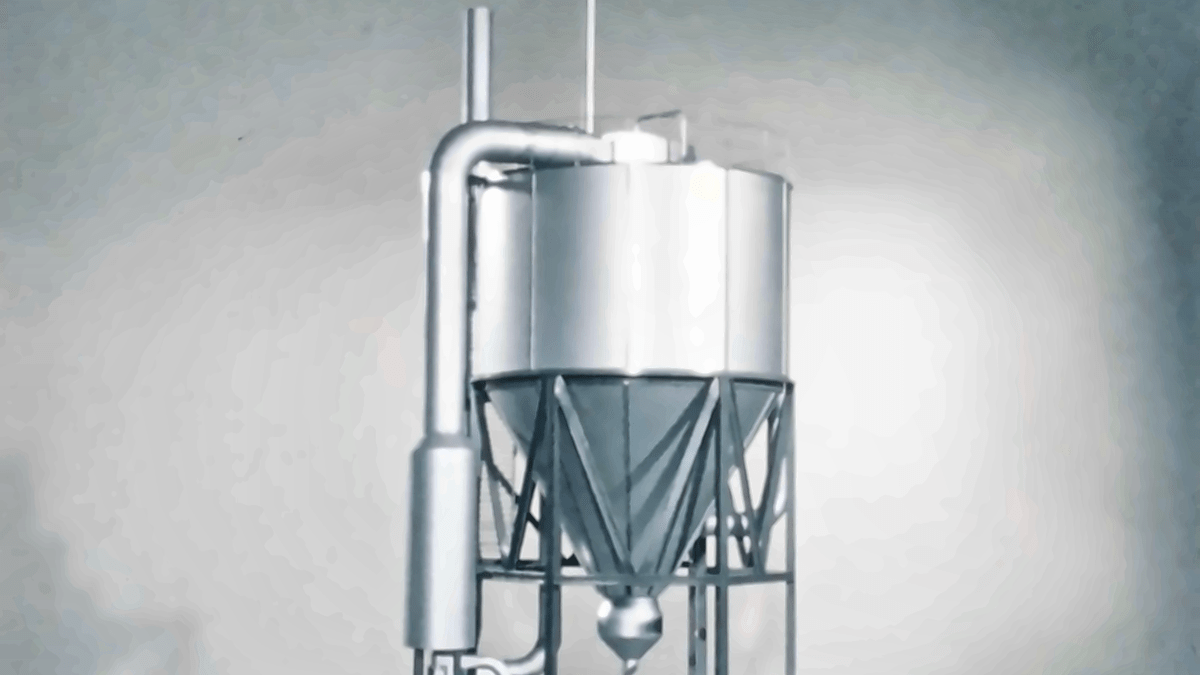
The breakthrough that changed spray drying
In 1976, NIRO engineers responded to a competitive challenge by rethinking what spray drying could do. Their idea became the multi-stage dryer MSD. Fifty years later, the same fundamental principle helps turn liquids into the powders used in essential nutrition products and important medicines around the world. Refined through decades of engineering expertise, customer insight and continuous development, MSD is a story of innovation with lasting impact.
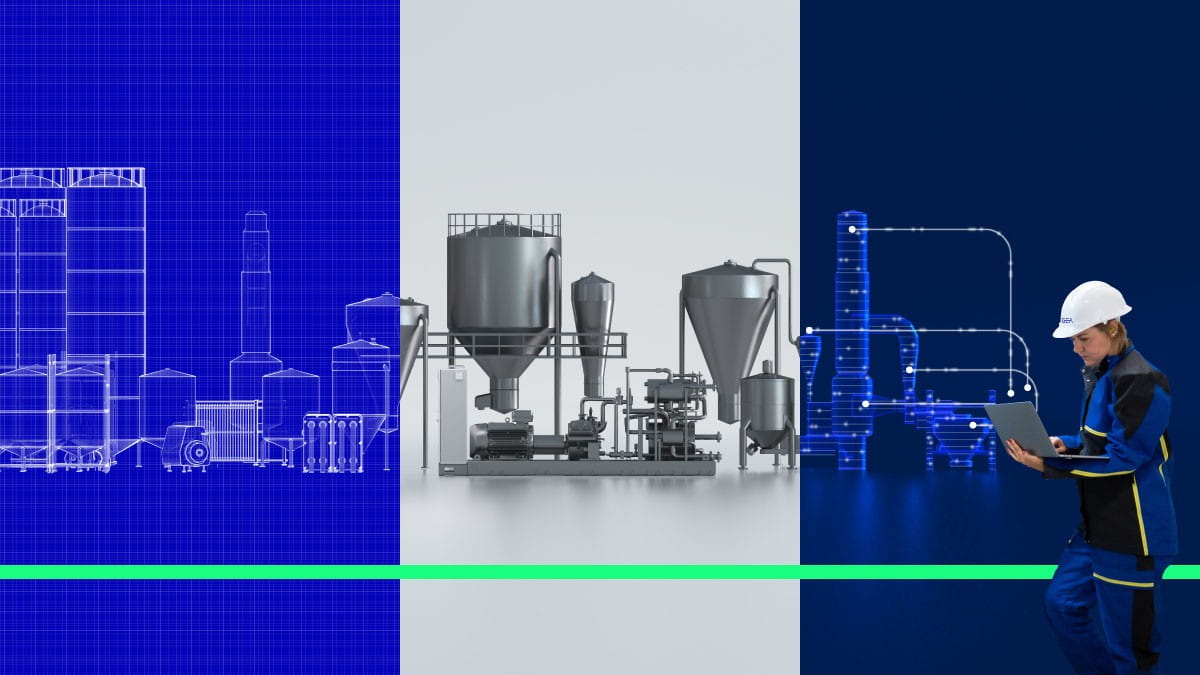
Au-delà des machines : exploiter les gisements de performance des installations
Ce n'est pas parce que vous avez des machines efficaces que votre usine l'est. Une trajectoire d'amélioration efficace commence souvent par une analyse qui ne se limite pas aux équipements pris individuellement, et cherche à comprendre comment les processus, les systèmes énergétiques et les décisions opérationnelles s'influencent mutuellement. C'est une démarche holistique, conçue pour repérer des opportunités qui, sans cela, risqueraient de passer inaperçues.
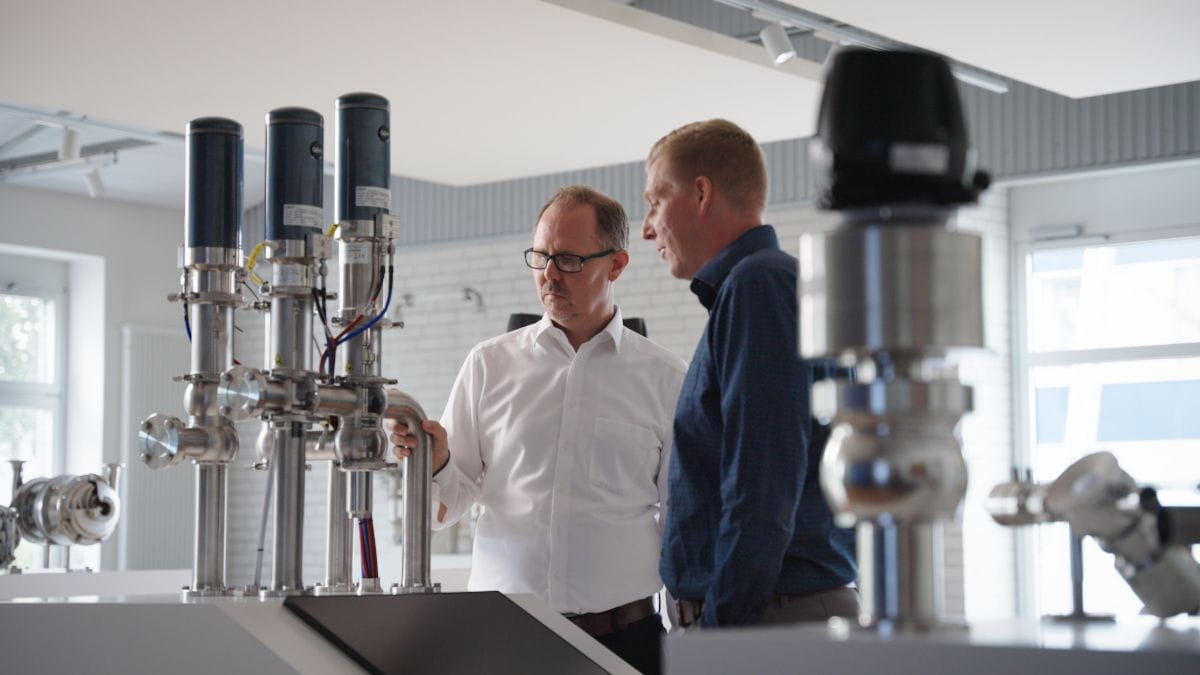
Comment une vanne révolutionne la production des aliments et des boissons
Dans les installations agroalimentaires, les vannes sont généralement actionnées en utilisant de l'air comprimé. La technologie d'actionnement GEA Hydract® Actuation Technology, quant à elle, actionne les vannes en utilisant de l'eau, au sein d'un circuit fermé à commande numérique. Résultat, une vanne peut être maintenue en place de manière exacte et réglée par petits paliers. Cela se traduit par une consommation d'énergie en baisse et un meilleur contrôle.
