

NOx reduction by Exhaust Gas Recirculation
As environmental regulations on exhaust gases become more stringent, the shipping industry is under pressure to reduce emissions of nitrogen oxides (NOx), sulfur oxides (SOx), and fine particulates.
Exhaust Gas Recirculation (EGR) is a NOx emission reduction technology that ensures IMO Tier III compliance in both diesel and gas operations. Engine manufacturers offer their customers engines with EGR systems for heavy fuel oil (HFO), low-sulfur fuels, liquefied natural gas (LNG), and IMO Tier II and Tier III methanol.
EGR water treatment
When incorporating EGR technology into marine engines, it is important to consider the treatment of EGR wash water prior to its discharge into the ocean. The recirculated exhaust gas in the EGR process can potentially interact with contaminants such as soot, sulfur compounds and acidic substances.
The GEA NOx Separator is designed for a single task. The system purifies the bleed-off water before discharge according to MEPC.307(73) and optionally to MEPC.259(68).
Key benefits
- Compliant with MEPC EGR guidelines
- Reduced energy consumption and low operating costs
- High-efficiency integrated direct drive
- Easily exchangeable drive system
- Automatic flushing of sludge holding space
- Compact design with small footprint for continuous operation
- Ready for smart connectivity

The GEA marine Separator
Pushing the limits
Downloads
Produits associés

GEA marine Separator
Marine separators specialize in the purification of fuel and lube oil as well as bilge and EGR water treatment on board ships.

GEA marine Upgrade Kit for separators
Designed to automate various separator processes, the GEA marine Upgrade Kit features advanced software and easy-to-use hardware components for seamless integration. By extending the capabilities of our marine separators, this solution improves efficiency and promotes environmental sustainability.

GEA bilge Separator
GEA bilge Separator with integrated direct drive is designed for cleaning oily water and producing minimum residual oil contents in all performance classes.

GEA bilgEGR Solution
GEA bilgEGR Solution is a combined Exhaust Gas Recirculation (EGR) and oily bilge water system designed to treat water on board ships. After treatment, the purified water can be discharged into the sea.

GEA Insights
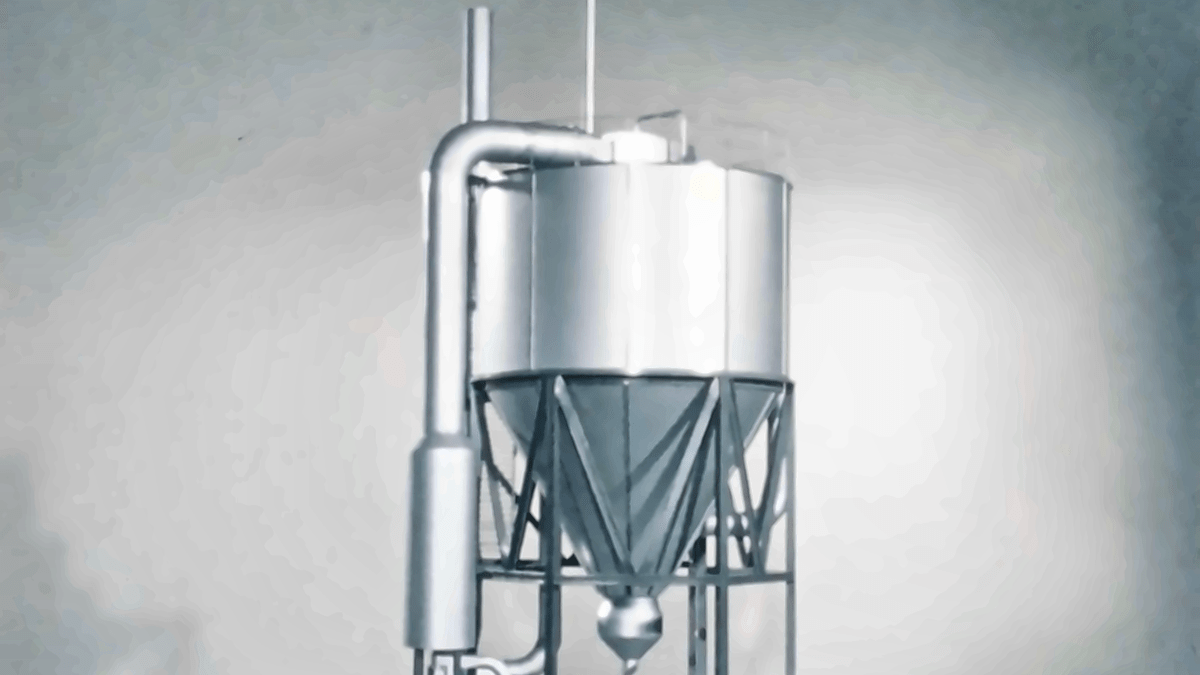
La percée qui a révolutionné le séchage par atomisation
En 1976, les ingénieurs de NIRO répondaient à un défi concurrentiel en repensant ce que pouvait faire le séchage par atomisation. Leur idée est à l'origine du sécheur-atomiseur à plusieurs étages MSD. Cinquante ans plus tard, ce même principe fondamental aide à transformer les liquides en poudres, qui sont utilisées dans des produits nutritionnels essentiels et des médicaments importants partout dans le monde. Perfectionné au cours de plusieurs décennies d'expertise technique, d'enquêtes clientèle et de développement continu, le MSD est une histoire d'innovation aux retombées durables.

Au-delà des machines : exploiter les gisements de performance des installations
Ce n'est pas parce que vous avez des machines efficaces que votre usine l'est. Une trajectoire d'amélioration efficace commence souvent par une analyse qui ne se limite pas aux équipements pris individuellement, et cherche à comprendre comment les processus, les systèmes énergétiques et les décisions opérationnelles s'influencent mutuellement. C'est une démarche holistique, conçue pour repérer des opportunités qui, sans cela, risqueraient de passer inaperçues.

Comment une vanne révolutionne la production des aliments et des boissons
Dans les installations agroalimentaires, les vannes sont généralement actionnées en utilisant de l'air comprimé. La technologie d'actionnement GEA Hydract® Actuation Technology, quant à elle, actionne les vannes en utilisant de l'eau, au sein d'un circuit fermé à commande numérique. Résultat, une vanne peut être maintenue en place de manière exacte et réglée par petits paliers. Cela se traduit par une consommation d'énergie en baisse et un meilleur contrôle.
