
Engineered for demanding blood processing applications
Blood processing places unique demands on separation equipment. Product quality, hygiene, reliability and gentle product handling are critical to achieving optimum plasma recovery.
GEA separators are designed to meet these requirements through advanced bowl design, hydrohermetic feed systems as well as robust, energy and space-saving drive concepts that ensure stable operation even under demanding process conditions.
Whether processing a few hundred liters per hour or operating a large-scale industrial blood plant, GEA offers separator solutions tailored to individual capacity requirements.
Key benefits of GEA Separators for animal blood plasma
High plasma quality
Efficient separation minimizes carry-over of red blood cells and supports the production of high-quality plasma for further processing.
Gentle product handling
The hydrohermetic feed system reduces product stress and helps preserve valuable protein functionality. Instead of using additional seals, the hydrohermetic feed uses the product itself to gently feed it into the bowl.
Reliable operation
Fully hydraulic solids discharge systems and simplified machine designs contribute to high machine availability.
Lower maintenance requirements
Reduced component count, robust drive designs and elimination of wear-prone mechanical sealing systems help minimize service needs.
Energy-efficient operation
Modern belt-drive and Integrated Direct Drive technologies provide excellent energy efficiency while maintaining high performance.
Separator portfolio for animal blood processing
GEA offers separator solutions for animal blood plasma from decentralized on-site valorization in slaughterhouses to full-scale industrial blood processing operations. Depending on the required processing capacity, customers can choose from compact and simple systems for local blood recovery and value creation or high-performance separators for dedicated blood processing operations at industrial scale. And for everything in between, customers will find what they are looking for here, too.
From 100 - 3000 l/h
For valorization on-site
Designed for slaughterhouses that want to process blood on-site and generate additional value from this by-product, as well as for regional blood processing operations with moderate throughput requirements.
Feed capacity: approx. 100 to 3,000 l/h*
- Ideal for decentralized blood valorization
- Compact footprint and simple operation
- Low utility and maintenance requirements
- Proven and reliable separation technology
From 3000 - 10,000 l/h
For industrial-scale animal blood plasma recovery
Designed for specialized animal blood processors and industrial-scale production facilities requiring high throughput, consistent product quality and reliable continuous operation.
Feed capacity: approx. 3,000 to 10,000 l/h*
- High separation efficiency
- Reliable continuous operation
- High throughput and productivity
- Energy-efficient design for industrial processing
Features & Benefits of Animal Blood Separators
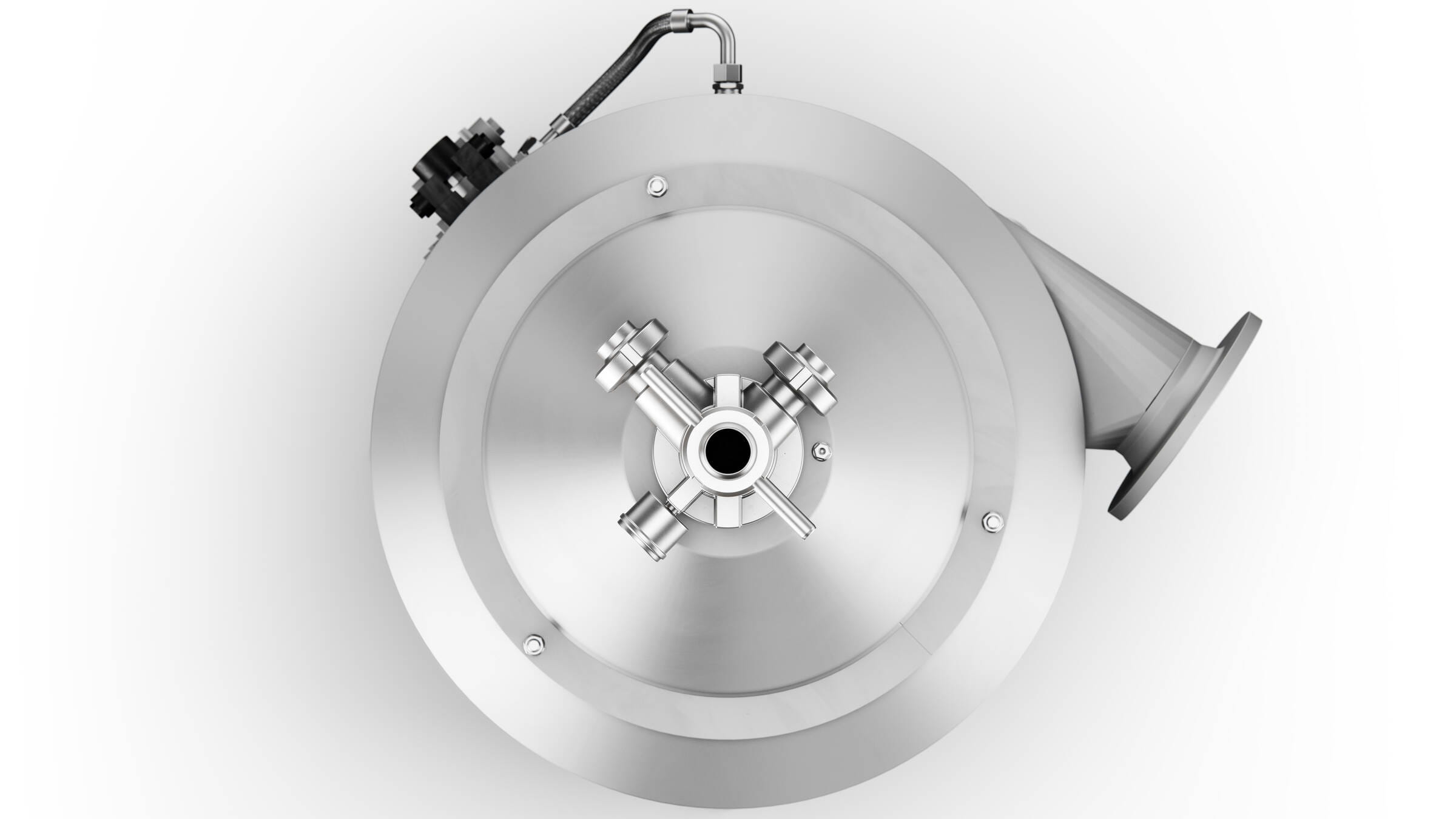
Integrated direct drive - IDD
By transmitting power directly from motor to spindle, power losses due to complex drive design are reduced whilst the overall machine architecture is simplified. Fewer mechanical components make for greater operational reliability over the long term. The compact design also reduces the separator's footprint and contributes to lower noise levels.
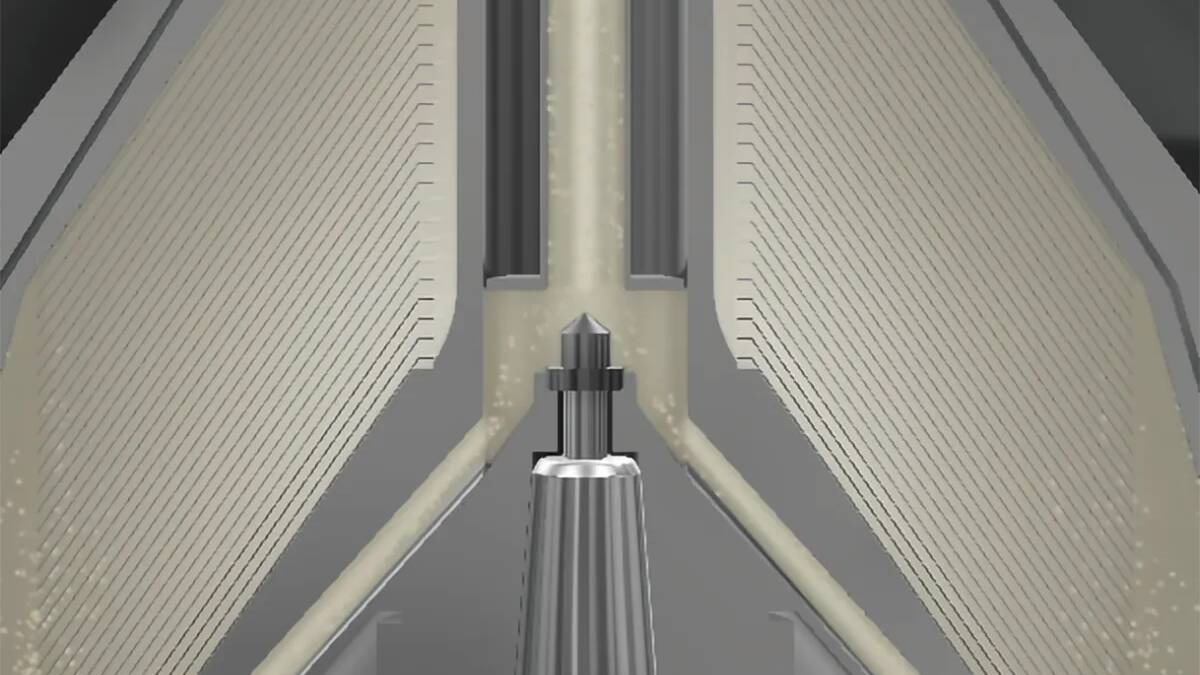
Hydrohermetic feed
GEA separators use the product itself to seal off the product chamber against the ambient air as well as to gently feed the product into the bowl. This eliminates the need for mechanical seals, which require maintenance and are prone to failure.
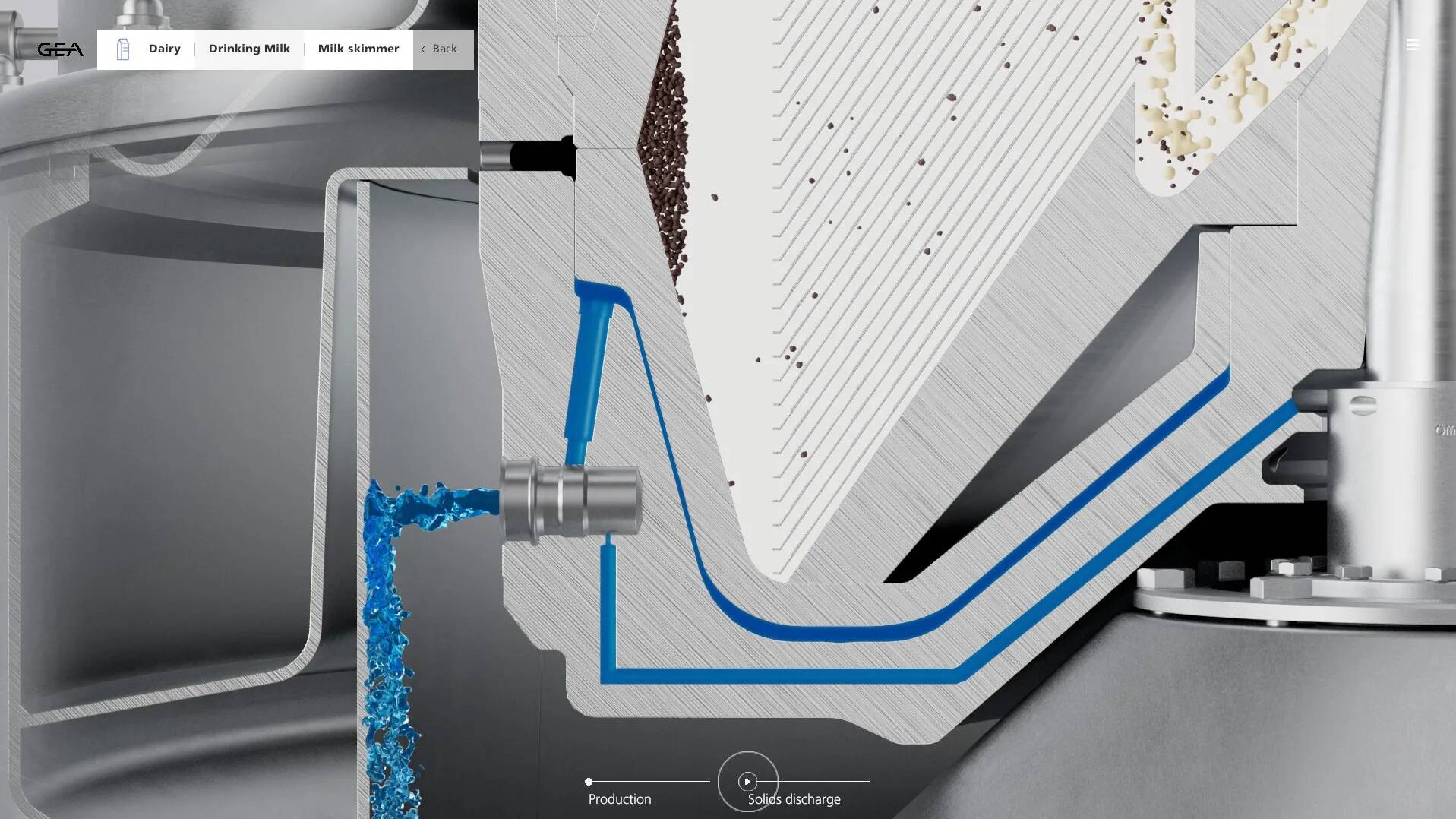
Hydraulic solids ejection system
The discharge system from GEA separators is controlled and operated fully hydraulicly. No springs are used that could wear out or even break after prolonged use, which could lead to imprecise ejections and ultimately product losses or even unscheduled downtime.
Designed for hygienic processing environments
Animal blood processing facilities require equipment that supports hygienic operation and efficient cleaning.
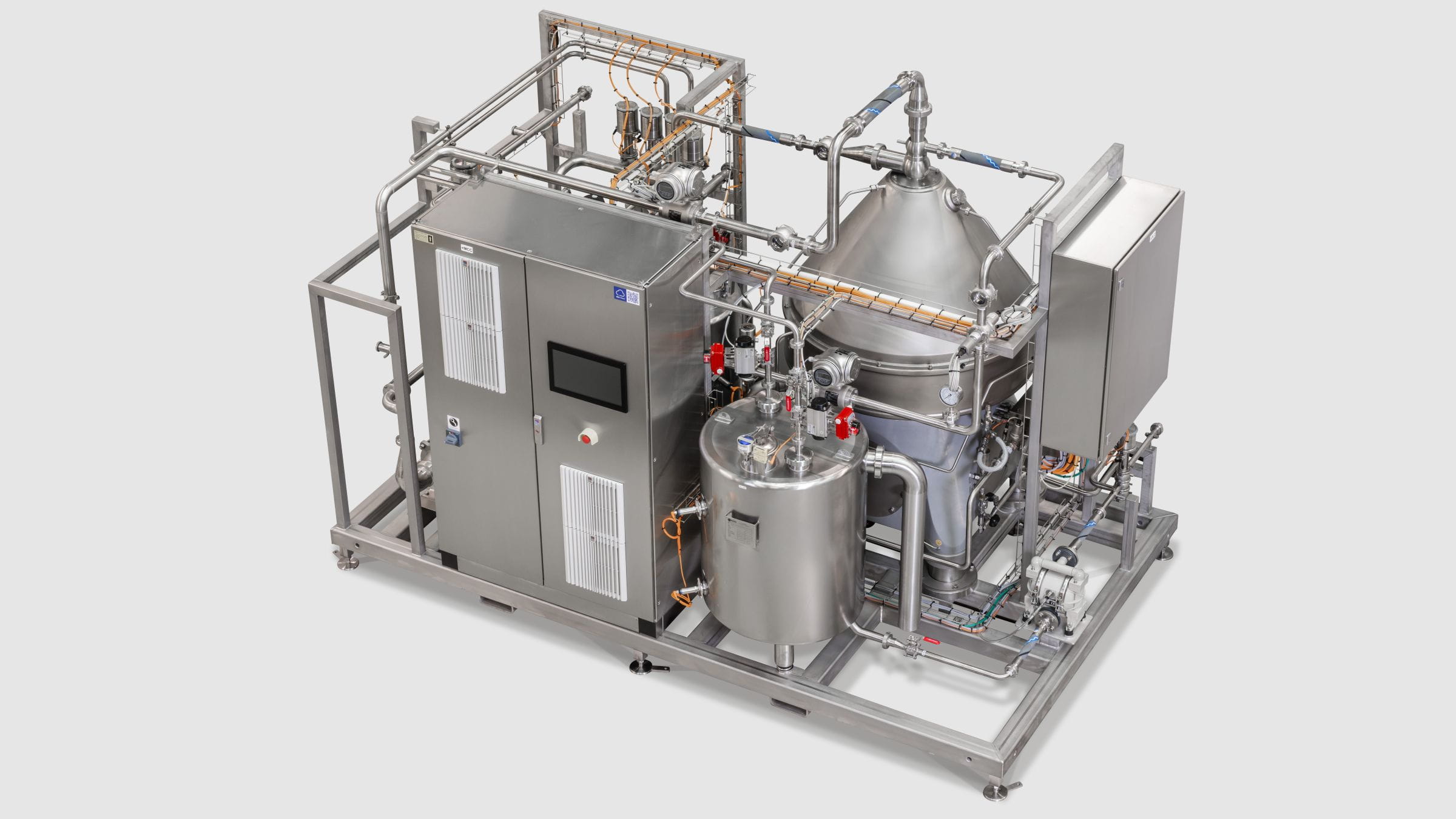
GEA separators are designed for integration into modern hygienic processing lines and can be supplied as part of complete skid-mounted systems featuring:
- Piping systems
- Pumps
- Instrumentation
- Automation
- CIP integration
- Compact process layouts
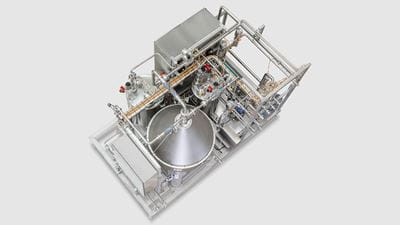
Plug-and-produce solutions
Complete separator skids for animal blood processing
To simplify installation and commissioning, GEA can supply pre-engineered separator skids that combine all key process components in a compact package.
Advantages include:
- Reduced installation time
- Simplified project execution
- Factory-tested systems
- Faster commissioning
- Optimized process integration
- Very small footprints
Why GEA?
Decades of separation expertise
GEA combines long-standing experience in separator design with extensive process knowledge in animal protein processing.
Global service network
Support throughout the entire equipment lifecycle.
Proven technology
Installed base across a wide range of blood processing applications worldwide.
Application know-how
Support from process experts who understand the challenges of animal blood plasma production and protein recovery.
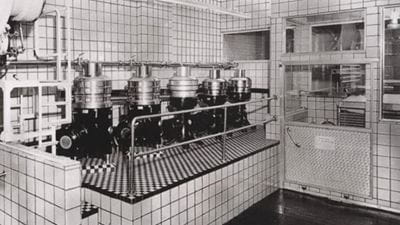
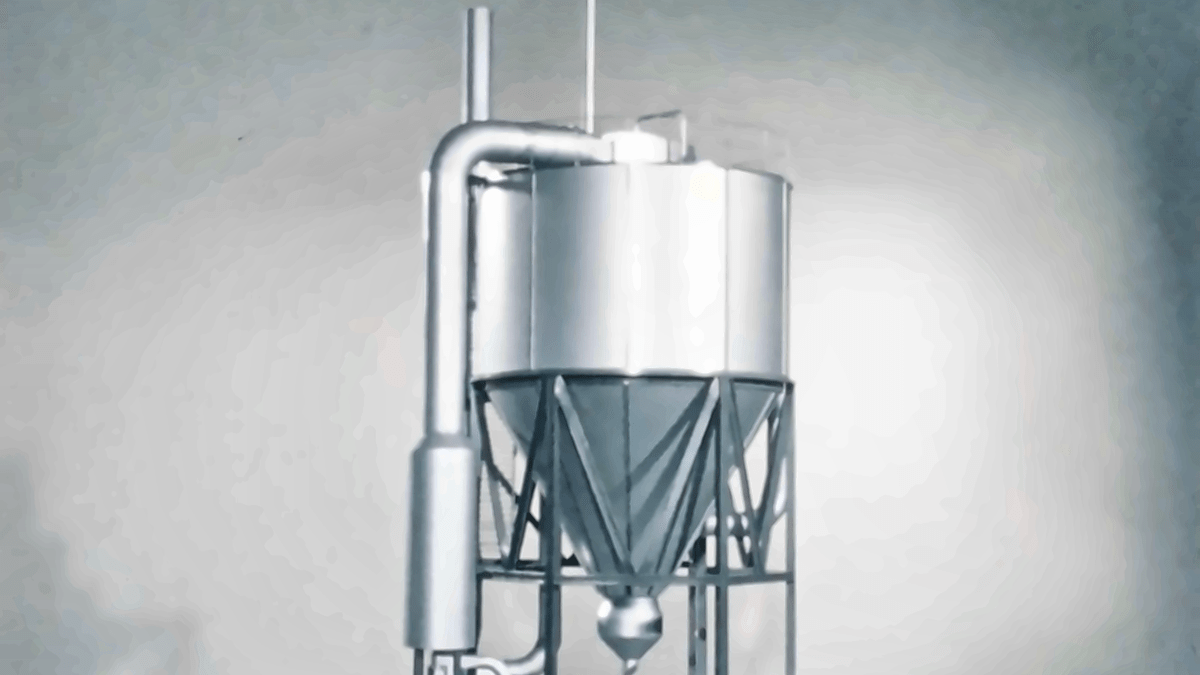
Separator installation for animal blood processing from the 1960s.
Engineered for demanding blood processing applications
Blood processing places unique demands on separation equipment. Product quality, hygiene, reliability and gentle product handling are critical to achieving optimum plasma recovery.
GEA separators are designed to meet these requirements through advanced bowl technology, hydrohermetic product intake and robust drive concepts that ensure stable operation even under demanding process conditions.
Whether processing a few hundred liters per hour or operating a large-scale industrial blood plant, GEA offers separator solutions tailored to individual capacity requirements.
GEA plasmaprime and for small scale blood processing
GEA offers entry-level separators with smaller capacities which are easy to operate and handle for small scale blood processors, e.g. small abattoirs as well as fully automatic, high efficiency and high capacity centrifuges for full scale blood processing specialists. Whether small or big, all our separators feature hygienic design for high quality food-grade plasma. Our smaller plasmaprime separators focus on simplicity to make it easy for our customers to add value to their slaughtering processes by additionally recovering the plasma. The separators are easy to integrate, the overall process setup is straightforward and intuitive to operate and clean. Our separators with higher capacity focus on highest efficiency with fully automatic cleaning and operation for maximum utilization, most gentle product handling for highest separation efficiency and a design for fast and easy service.
Features & Benefits
- All product contacting parts of the separator are made from stainless steel
- Food-grade gaskets
- Use of lubricants approved for food applications
- Entry-level separators easy to integrate, operate and handle
- Fully-automatic cleaning and operation of high capacity separators
- Highest availability and efficiency
Downloads
Produits associés

GEA meat Decanter pro series for animal by-products
The GEA meat Decanter pro series is engineered for efficient, robust, and cost-competitive separation for the processing of animal by-products.

Decanters for high-quality animal fat and protein recovery
Decanter centrifuges in sanitary design for the recovery of animal fats and proteins as ingredients in food, petfood and cosmetic applications.

Separators for Animal By-Products
Rapid and clean processes, high yields and excellent product quality – our customers benefit in many ways with our separator portfolio for the recovery of animal fats and proteins.

Automation & Controls Separation
Even the best centrifuges cannot function optimally if they are not partnered with control systems of equal quality. For their range of separators and decanters, GEA offers standardized as well as tailor-made solutions for machine automation with many features to meet customer requirements.
Prestations de services

Réseau de réparation international pour les centrifugeuses GEA
Réparations correctives pour vos séparateurs et décanteurs GEA

ERU à distance pour centrifugeuses GEA
Il n'est pas possible d’effectuer l’essai de réception en usine (ERU) de votre centrifugeuse sur le site à cause des restrictions aux voyages actuelles, d’un emploi du temps très chargé ou d’une autre raison urgente ? Vous avez l’habitude de toujours rechercher des manières de rendre vos processus métiers plus digitaux, de réduire considérablemen...

GEA EffiClean
EffiClean disk cleaning for centrifuges in mineral oil applications
GEA Insights
La percée qui a révolutionné le séchage par atomisation
En 1976, les ingénieurs de NIRO répondaient à un défi concurrentiel en repensant ce que pouvait faire le séchage par atomisation. Leur idée est à l'origine du sécheur-atomiseur à plusieurs étages MSD. Cinquante ans plus tard, ce même principe fondamental aide à transformer les liquides en poudres, qui sont utilisées dans des produits nutritionnels essentiels et des médicaments importants partout dans le monde. Perfectionné au cours de plusieurs décennies d'expertise technique, d'enquêtes clientèle et de développement continu, le MSD est une histoire d'innovation aux retombées durables.

Au-delà des machines : exploiter les gisements de performance des installations
Ce n'est pas parce que vous avez des machines efficaces que votre usine l'est. Une trajectoire d'amélioration efficace commence souvent par une analyse qui ne se limite pas aux équipements pris individuellement, et cherche à comprendre comment les processus, les systèmes énergétiques et les décisions opérationnelles s'influencent mutuellement. C'est une démarche holistique, conçue pour repérer des opportunités qui, sans cela, risqueraient de passer inaperçues.

Comment une vanne révolutionne la production des aliments et des boissons
Dans les installations agroalimentaires, les vannes sont généralement actionnées en utilisant de l'air comprimé. La technologie d'actionnement GEA Hydract® Actuation Technology, quant à elle, actionne les vannes en utilisant de l'eau, au sein d'un circuit fermé à commande numérique. Résultat, une vanne peut être maintenue en place de manière exacte et réglée par petits paliers. Cela se traduit par une consommation d'énergie en baisse et un meilleur contrôle.
