

Type M
GEA Round Die-Washer type M are equipped with a very intuitive control panel allowing easy access to the basic control functions. Washing area regulation is made by means of two adjustment levers located in front of the machine. A timer allows to set the working cycle duration.
PLC
GEA Round Die-Washer type E are equipped with a PLC allowing setting and storage of die washing recipes, in order to improve every single die cleaning process. These units feature an efficient washing arms movement system, driven by a maintenance-free electric cylinder. The arms action is divided into different zones optimizing the die washing time.
Key Features
- Sturdy stainless steel frame
- Debris conveying system, equipped with water temperature control probe for the pump protection
- Automatic water level control and filling system
- Pumping section made of pump, motor, chain transmission, protection casing
- Recovery tank with double filtering device for an improved water recycling
- Skimming removal system by means of programmable water jets
Washing of round dies for snack
Downloads
Related Products

GEA Universal Die-Washer
Washing unit which can operate two dies. According to the model, they can feature either an electromechanical control or a PLC one.

GEA Universal Mini Die-Washer
Washing unit which can operate one die. According to the model, it can feature either electromechanical control or a PLC one. The models designed for pasta dies can feature either one, while the snack and pellet and gluten free models feature only electromechanical control.

Dies and Moulds Inserts
With more than 800 pasta formats, GEA can produce dies and moulds that can satisfy even the most demanding market requests. From the classic penne, conchiglie, spaghetti, lasagne to the more complex ones that feature shapes of animals or cartoon characters.

Pennaut - Cutter
The Pennaut is designed with the goal of facilitating and speeding up format change operations in short pasta production plants.
GEA Insights
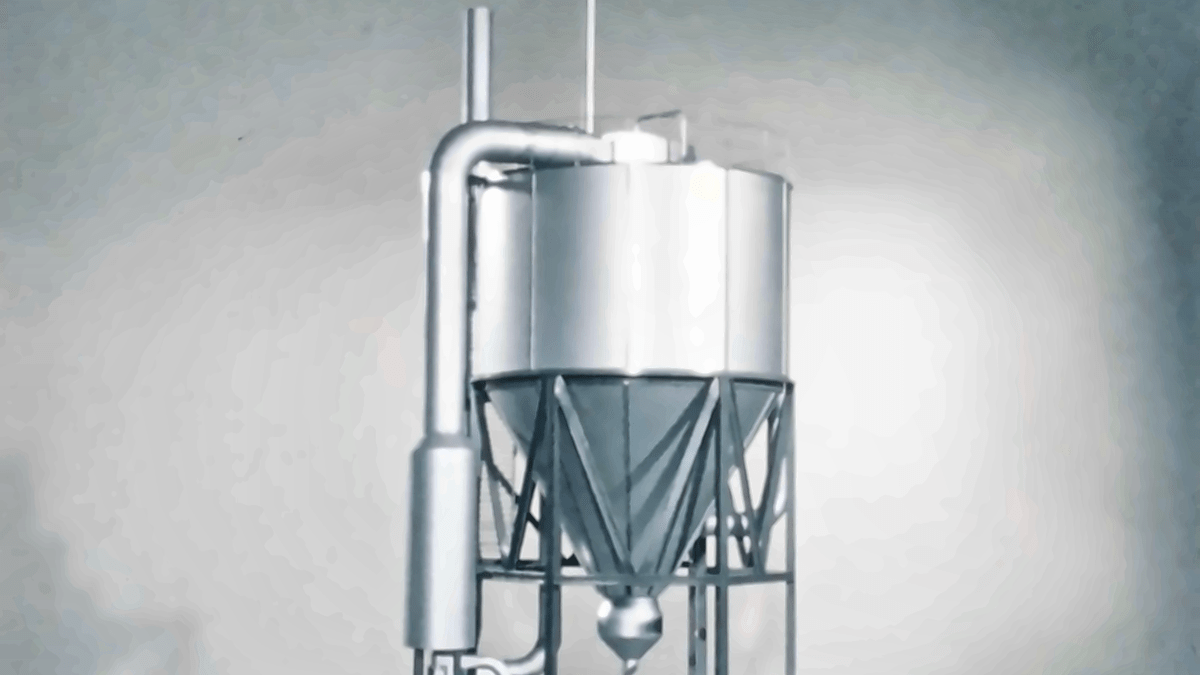
The breakthrough that changed spray drying
In 1976, NIRO engineers responded to a competitive challenge by rethinking what spray drying could do. Their idea became the multi-stage dryer MSD. Fifty years later, the same fundamental principle helps turn liquids into the powders used in essential nutrition products and important medicines around the world. Refined through decades of engineering expertise, customer insight and continuous development, MSD is a story of innovation with lasting impact.

Beyond the machine: unlocking better plant performance
An efficient machine does not automatically make an efficient factory. Real improvement often starts by looking beyond individual equipment and understanding how processes, energy systems and operating decisions affect one another. It’s a holistic approach designed to uncover opportunities that might otherwise be missed.
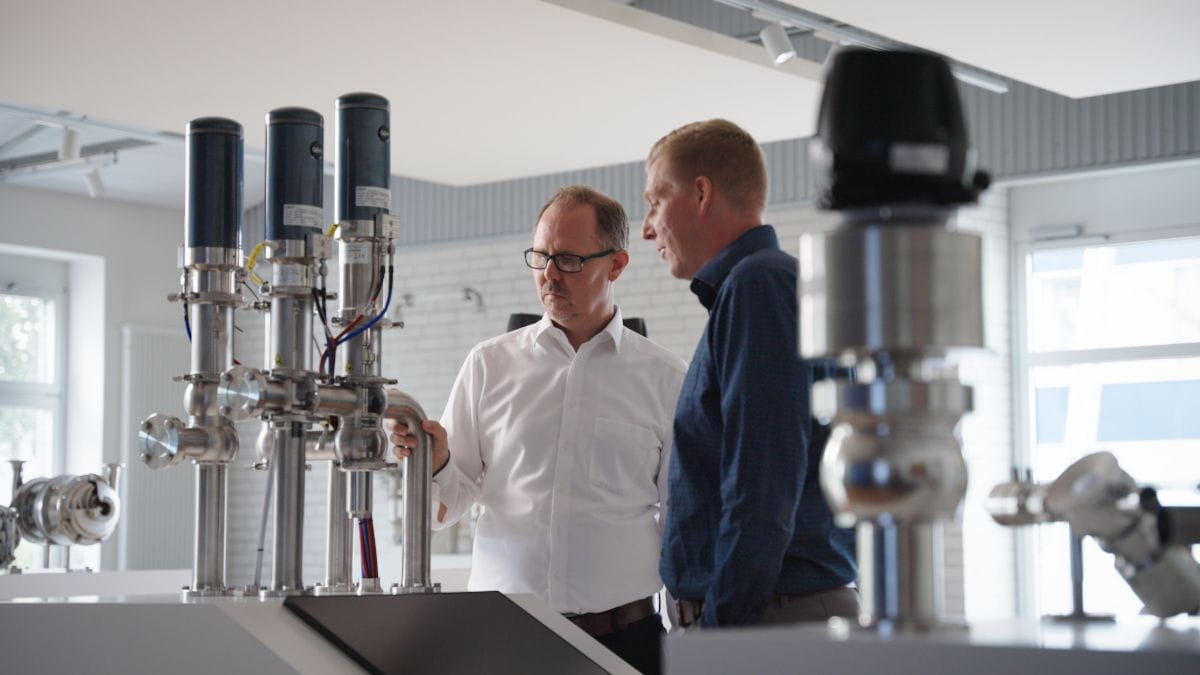
How a valve reshapes the way food and drinks are made
In food and beverage plants, valves are commonly operated using compressed air. GEA Hydract® Actuation Technology moves valves with water instead, in a closed, digitally controlled circuit. The result is a valve that can be held exactly in place and steered in fine-tuned steps. This results in lower energy use and greater control.
