
With more than 3,000 references for GEA Spray Drying plants for R&D and small production units, GEA has unmatched expertise within small-scale spray drying technology. For our clients this means that we have the know-how to help you choose exactly the right process and equipment for your purposes, and that is why many of the world’s leading manufacturers and their R&D departments, independent research centres and universities are our customers.
All our Spray Dryers are designed to meet the strictest requirements for health and safety and environmental protection, so working with us provides you with the best solutions on the market. We examine your product and its properties, analyze the risks according to well-established safety procedures and recommend the safety concept that is best suited to your situation.
Products
Showing 3 of 3

PRODUCTION MINOR Spray Dryer
The capacity of the PRODUCTION MINOR Spray Dryer makes it the ideal R&D spray dryer for the production of samples in connection with product development and testing as well as for production in small quantities.

MOBILE MINOR® R&D Spray Dryer
A versatile lab-scale spray dryer that is ideal for exploring spray drying opportunities, creating small-volume powder samples, and investigating scale up.

VERSATILE-SD® Spray Dryer
Sometimes you just need to be versatile. If you want to launch a new food concept or produce small batches of high-value products, or you have a wide range of products and need to do frequent product changes, a standard dryer might not be what you need. That is why we designed the GEA versatile spray dryers to give you flexibility for today and t...
Downloads
Service Products

GEA Health Check Spray Dryer
Inadequate maintenance can lead to safety risks, lower product quality, costly repairs, and reduced equipment life. GEA Health Check Spray Dryer offers a thorough inspection and tailored service report to help you proactively maintain uptime, quality, and longevity.

GEA SAFEXPERT®
The innovative process diagnostic and consultant service.
GEA Insights
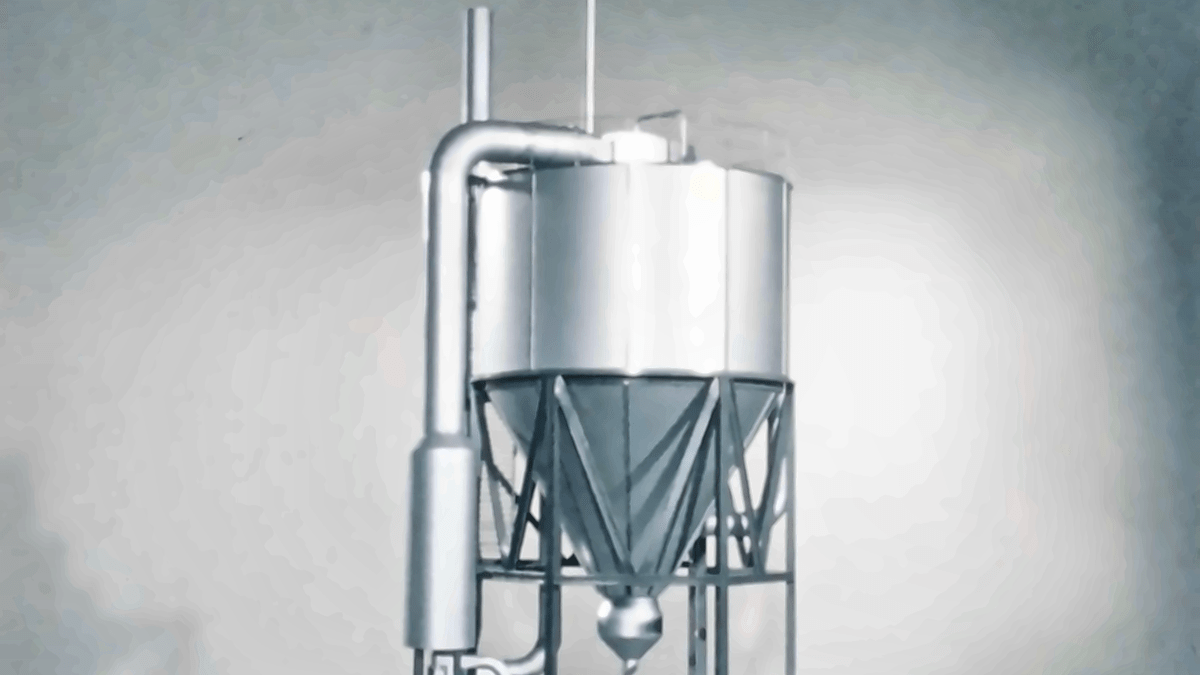
The breakthrough that changed spray drying
In 1976, NIRO engineers responded to a competitive challenge by rethinking what spray drying could do. Their idea became the multi-stage dryer MSD. Fifty years later, the same fundamental principle helps turn liquids into the powders used in essential nutrition products and important medicines around the world. Refined through decades of engineering expertise, customer insight and continuous development, MSD is a story of innovation with lasting impact.

Beyond the machine: unlocking better plant performance
An efficient machine does not automatically make an efficient factory. Real improvement often starts by looking beyond individual equipment and understanding how processes, energy systems and operating decisions affect one another. It’s a holistic approach designed to uncover opportunities that might otherwise be missed.
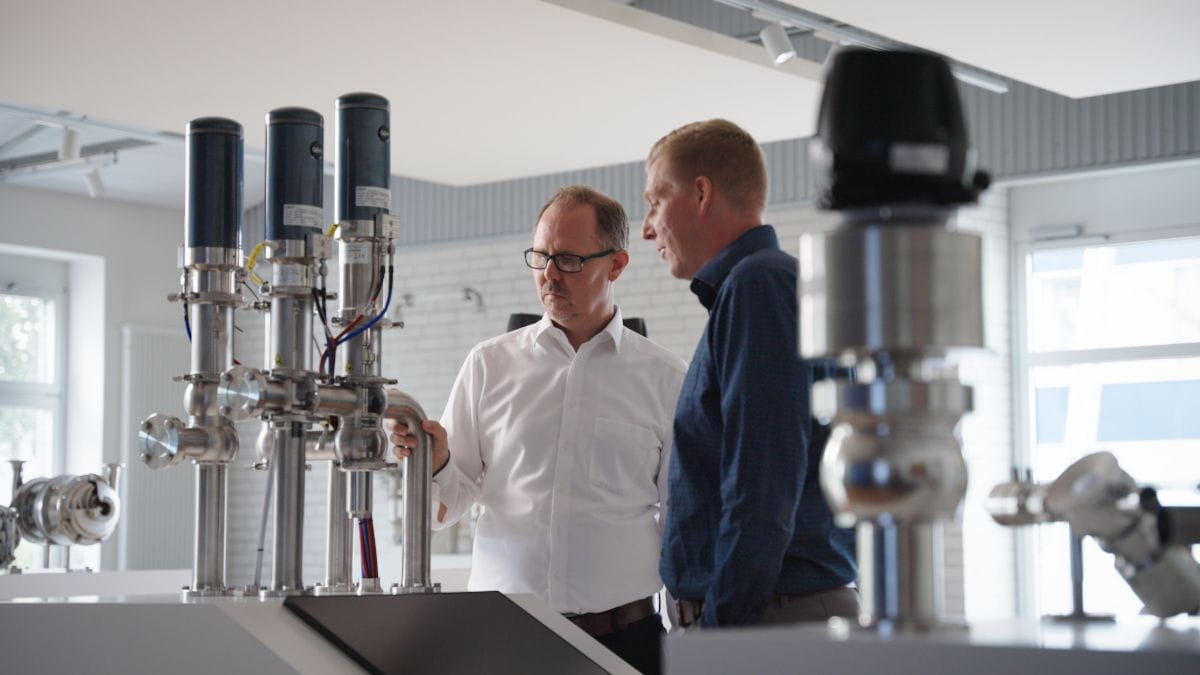
How a valve reshapes the way food and drinks are made
In food and beverage plants, valves are commonly operated using compressed air. GEA Hydract® Actuation Technology moves valves with water instead, in a closed, digitally controlled circuit. The result is a valve that can be held exactly in place and steered in fine-tuned steps. This results in lower energy use and greater control.
