
Effluents from cooling and treatment processes
As a by-product of the steel industry, various production stages produce large quantities of effluent which are contaminated with dust, dissolved metal compounds, cleaning solutions and in particular insoluble inorganic substances. They are produced mainly in the course of flue gas scrubbing in foundries, in slag granulation and top gas cleaning; they occur in the form of emulsions from cooling circuits in forges and rolling mills, or are encountered as backwash water in a foundry’s own power stations.
Reliable and robust even under extreme conditions
Thanks to first-class engineering and the use of particularly high-quality materials, GEA decanters feature extremely robust design and are precisely tailored to meet the requirements encountered in the metal-working industry. They thus also provide maximum reliability even under extreme conditions, and with their high separating efficiency, they reliably ensure optimum solids dewatering as well as effluent treated in an environmentally sound manner.
Lower disposal costs and reduced fresh water consumption
The clarified concentrate can be recycled as wash water back into the production cycle, which significantly reduces the consumption of fresh water for steel production and processing. The dewatered solids on the other hand can be profitably recycled in a subsequent recycling process or their volume can be reduced, enabling them to be disposed of inexpensively.
- Efficient and environmentally-sound treatment of effluents from the cooling and cleaning processes of the steel industry
- Innovative decanter technology for cost-effective and efficient processes
- High operating reliability thanks to robust technology
- High separation capacities
- Particularly dry solids
- Reduced operating costs
Products & Technologies
Showing 4 of 4

Absorption & Gas Scrubbing
GEA supplies scrubbers for an efficient multi-pollutant cleaning of process-and-exhaust gases for various applications.

Decanter Centrifuge
The decanter’s hour has come as soon as the solids content in the suspension to be processed is particularly high. These machines provide the benefits of high clarifying efficiency and maximum dewatering as well as the separation of liquids with the simultaneous removal of solids. The main requirements in this respect include a high bowl speed, a...

Jet pumps
Jet pumps, also referred to as ejectors, are devices for the conveyance, compression or mixing of gases, vapors, liquids or solids and for the production of vacuum in which a gaseous or liquid medium serves as the motive force.

Particulate Removal (Dedusting)
Efficient dedusting of flue and exhaust gas with GEA´s reliable filtration and separation systems.


Downloads
GEA Insights
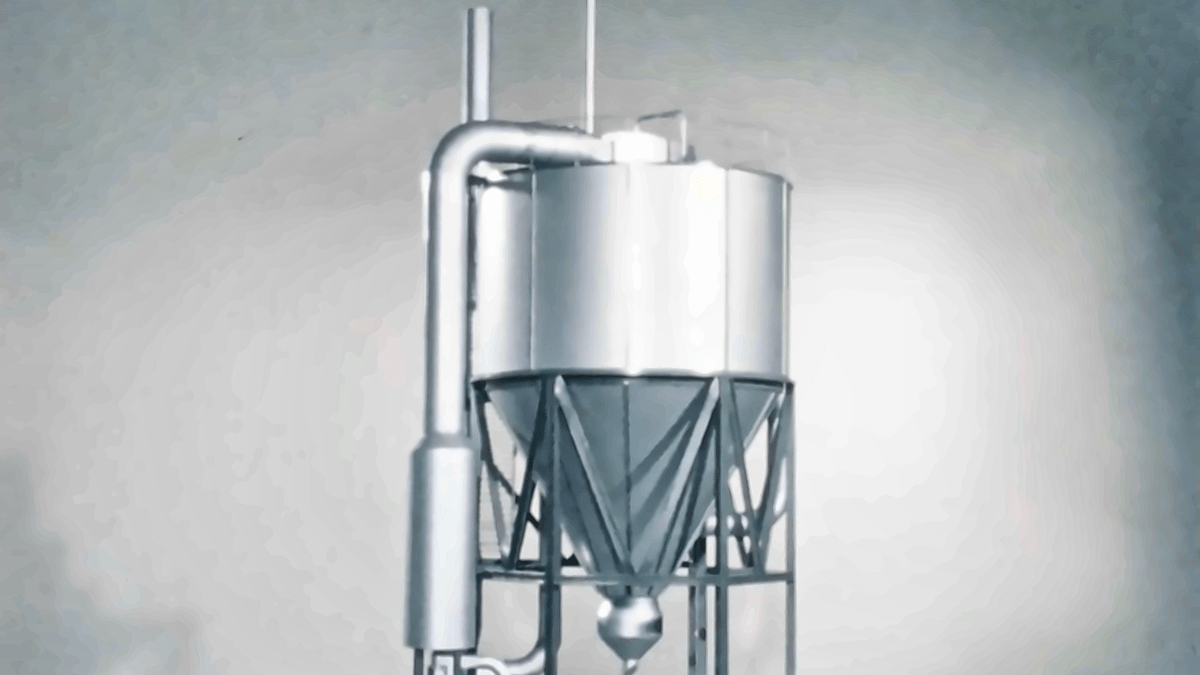
The breakthrough that changed spray drying
In 1976, NIRO engineers responded to a competitive challenge by rethinking what spray drying could do. Their idea became the multi-stage dryer MSD. Fifty years later, the same fundamental principle helps turn liquids into the powders used in essential nutrition products and important medicines around the world. Refined through decades of engineering expertise, customer insight and continuous development, MSD is a story of innovation with lasting impact.

Beyond the machine: unlocking better plant performance
An efficient machine does not automatically make an efficient factory. Real improvement often starts by looking beyond individual equipment and understanding how processes, energy systems and operating decisions affect one another. It’s a holistic approach designed to uncover opportunities that might otherwise be missed.

How a valve reshapes the way food and drinks are made
In food and beverage plants, valves are commonly operated using compressed air. GEA Hydract® Actuation Technology moves valves with water instead, in a closed, digitally controlled circuit. The result is a valve that can be held exactly in place and steered in fine-tuned steps. This results in lower energy use and greater control.
