
Homogenizers, however, are the most commonly used devices to lyse large quantities of bacteria. A cell suspension is pumped through the minute orifice of a homogenizing valve at high pressure; this is followed by the sudden release of the pressure on the suspension, resulting in an instant expansion that provides the turbulence and liquid shear — combined with the high pressure — that breaks the cells.
The main disruptive factor in this process is the pressure applied to the sample and the subsequent pressure drop across the valve. This provides the impact and the shear stress, making the cells break in proportion to the operating pressure.
Compared with other methods, homogenization is both convenient and efficient, offering higher percentage cell disruption rates. Modern GEA homogenizers are able to work continuously, enabling large quantities of cells to be processed at high operational pressures, which eliminates the need to add deoxyribonuclease (DNase) to the cell suspension.
Suggested pressures for typical applications are 600–1000 bar with a single stage homogenizer; multiple passes (2–3) are generally required to achieve adequate lysis. It should be noted that high processing pressures result in a rise in operating temperatures. Cells should, therefore, be cooled (4 °C) prior to use to avoid inactivating proteins by foaming.
Fermenters, separators, decanters and cross-flow filtration technology for the gentle treatment of fragile cell cultures are also available from GEA. We understand that the careful treatment of living micro-organisms, sterility and efficiency are prerequisites to economical, reliable and efficient processing.
Продукты и технологии
Отображение 4 из 11

Hygienic pumps
GEA Hilge offers a versatile range of centrifugal and positive displacement pumps for a wide variety of sensitive applications in the beverage, food and pharmaceutical industries.

Lyophilizers (Pharma Freeze Dryers)
GEA's thorough understanding of the lyophilization process enables them to supply a comprehensive range of products and services, comprising laboratory equipment, pilot plants for research and small-scale production batches, industrial size pharmaceutical production freeze dryers.

Machine automation & control
Every plant or machine, which is designed for a reliable long-term operation, requires a control unit that enables the communication between the different system parts. It is one of the most important component that guarantees reliability and efficient operation.

Блок прессования гомогенизатора
Компрессионные головки компании GEA являются сердцем гомогенизатора, так как они запускают процесс гомогенизации, перекачивая продукт под высоким давлением, пока он не попадет в гомогенизирующий клапан.
Downloads
Аналитика GEA

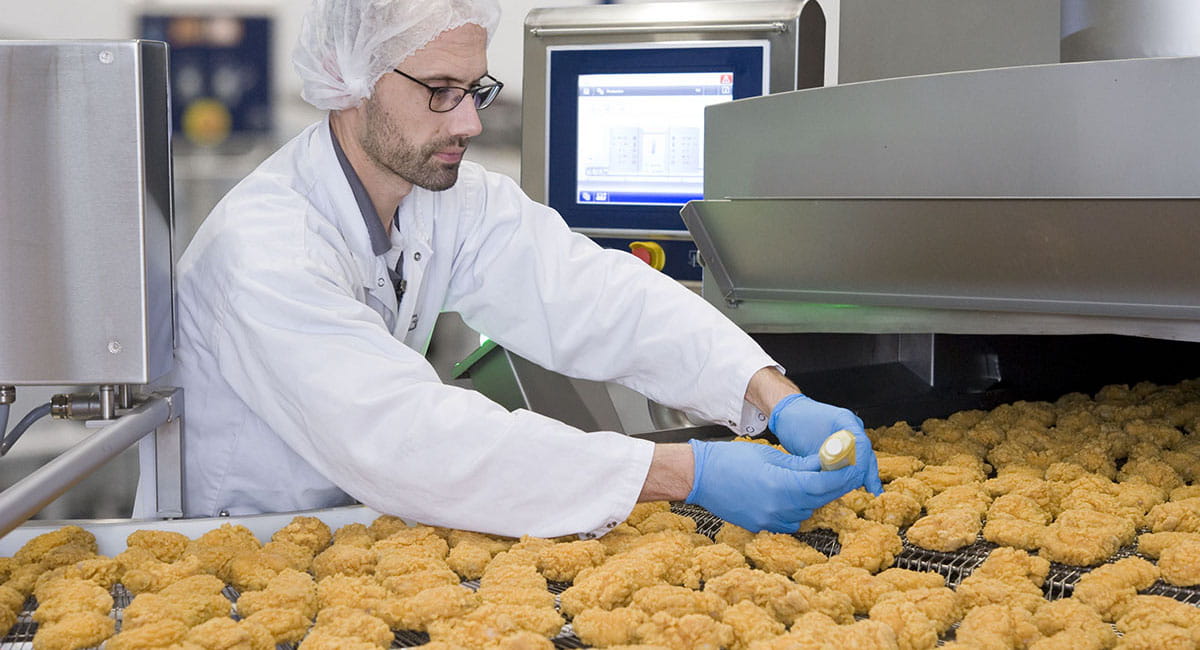
Освоение искусства промышленного приготовления пищи: От преодоления сложностей к осуществлению контроля
Промышленное приготовление пищи не обязательно должно быть сложным. Откройте для себя стратегии и технологии, которые позволяют повысить уровень контроля, стабильность, эффективность и качество продуктов.

Формула воды
Засухи стали обычным явлением по всей Европе, и они уже не ограничиваются только южными регионами. Доступность воды во все большей степени определяет выбор места размещения промышленных предприятий, при этом ее ценность зависит от местных условий. Существует множество технологических путей повышения эффективности использования воды в промышленных процессах, при этом ключевыми факторами также являются местоположение, потребности в энергии и другие факторы.
