

The other 50 percent: processing animal by-products
Processing the co-products or by-products from livestock breeding is not only economically reasonable, but also highly sustainable and can be seen as true recycling. Without rendering roughly 50 percent of every meat animal would be wasted, valuable resources lost with an enormous strain on our waste management systems as well as the environment.
In Europe alone roughly 18 million tons of animal by-products are collected from the meat and livestock industry each year and processed into valuable resources for food, feed and biofuels (source: EFPRA). In North America the rendering industry divert 62 billion pounds of food waste from landfill recycling these raw materials into 29 billion pounds of fat, oil and protein (source: NARA).

GEA has the right technology and expertise to help processing animal by-products into valuable food, petfood or feed ingredients or into feedstock for biofuels like HVO or SAF.
Thus, the food processors and renderers play an important part in our economies and societies: they take care of the proper management of by-products but also fallen animals to prevent health and food risks and they save millions of tons of valuable resources every year from becoming food waste.
Processed animal by-products - what are they used for?
In principle, proteins and fats can be extracted and purified by further processing from animal by-products, which are then used as ingredients or feedstock for
- Food
- Pet food
- Livestock, poultry feed
- Aquafeed
- Fertilizers
- Oleic acid, glycerin, stearic acid, linolic acid
- Biofuels, i.e. HVO (hydrated vegetable oil) or SAF (sustainable aviation fuel)

Whether on the plate or in the tank, rendering options are diverse.
GEA technology and expertise to process animal by-products
GEA supports the food processing and rendering industry with
- Centrifugal separation technology
- Membrane filtration
- Evaporators
- Sterilization units
- Heat treatment and pasteurization
- Spray dryers
- Spray congealers
- CIP systems
GEA technologies and process expertise are used for the production and processing of
- Rendered fats – edible and non-edible
- Collagen
- Bone and meat meals
- Protein hydrolysates
- Gelatine
- Blood plasma and blood meal
Продукты и технологии
Отображение 3 из 3

Трубчатые теплообменники
Трубчатые теплообменники являются сосредоточием всех технологических установок для нагрева, охлаждения, пастеризации и нагрева до сверхвысоких температур.

Центробежный декантер
Декантеры будут использоваться в производственном процессе в том случае, если содержание твердых частиц в суспензии, которая должна быть переработана, достаточно высоко. Эти машины обеспечивают высокую эффективность очистки и максимальное обезвоживание, а также разделение жидкостей с одновременным удалением твердых частиц. Основные требования – э...

Центробежный сепаратор
Сепараторы компании GEA разработаны для производств, работающих с жидкостями. Они используют центробежную силу для сепарации суспензий, состоящих из двух и более фаз различной плотности, т.е., они могут использоваться для сепарации жидкость-жидкость, сепарации жидкость-жидкость-твердая фаза и сепарации жидкость-твердая фаза. Они эффективно раздел...
Аналитика GEA

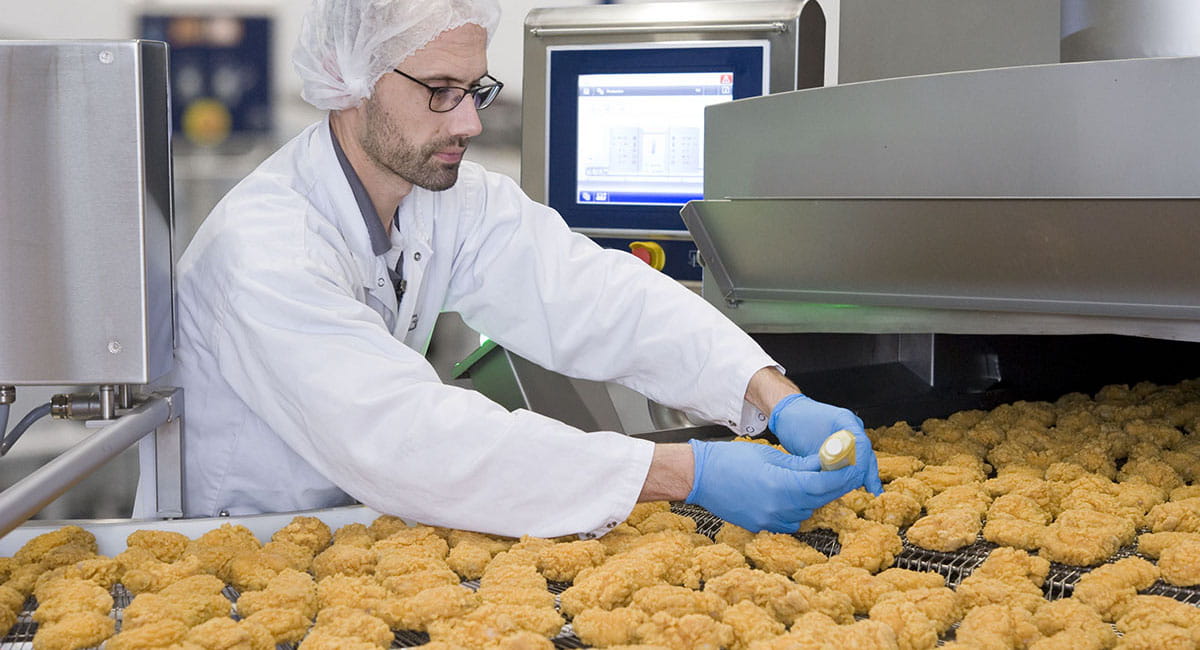
Освоение искусства промышленного приготовления пищи: От преодоления сложностей к осуществлению контроля
Промышленное приготовление пищи не обязательно должно быть сложным. Откройте для себя стратегии и технологии, которые позволяют повысить уровень контроля, стабильность, эффективность и качество продуктов.

Формула воды
Засухи стали обычным явлением по всей Европе, и они уже не ограничиваются только южными регионами. Доступность воды во все большей степени определяет выбор места размещения промышленных предприятий, при этом ее ценность зависит от местных условий. Существует множество технологических путей повышения эффективности использования воды в промышленных процессах, при этом ключевыми факторами также являются местоположение, потребности в энергии и другие факторы.
