

The ConsiGma® Compact Feeder Test rig is a standalone module that enables you to check feeding behaviors at throughputs between 0.025 and 60.00 kg/h (depending on the product).
Regardless of the final purpose (fully integrated continuous line or individual unit operation), this unit is targeted at all companies who have an interest in integrating a continuous feeding step into their operations.
Standard Configuration
- Powder hopper
- Top-up valve
- Compact feeder
Available Options
- Different gear boxes
- Weigh scale
- Options to optimize powder feeding
Main Benefits
- Offline feeding optimization
- Minimal powder required, which can be reused
Read more about how GEA and its partners are implementing this technology to lead the way toward smaller, more flexible, continuous processing technologies that are transforming the future of pharmaceutical development and manufacturing.
Downloads
Powiązane produkty

ConsiGma® Conductor
An indispensable part of the ConsiGma portfolio, the Conductor control system architecture ensures smooth operation and communication between the different elements of a pharmaceutical continuous manufacturing line

Lighthouse Probe® - online measurement
The Lighthouse Probe® can be used for real-time monitoring of chemical and pharmaceutical processes and provides in-process window cleaning at any time, recalibration during the process, full CIP (cleaning) of wash housing and seal, and a clear view inside – even in difficult conditions.

ConsiGma® Film Coater
The ConsiGma® Film Coater is based on the GEA high-performance tablet coating technology that gently and accurately deposits controlled amounts of coating materials onto tablet cores — even if they are hygroscopic or friable.

ConsiGma® 1 - R&D Granulation and Drying
The ConsiGma® 1 offers standalone continuous twin-screw granulation and drying for small-scale R&D operations. It allows users to develop the process and achieve high granule quality on a compact unit.
GEA Insights
Przełom, który odmienił suszenie rozpyłowe
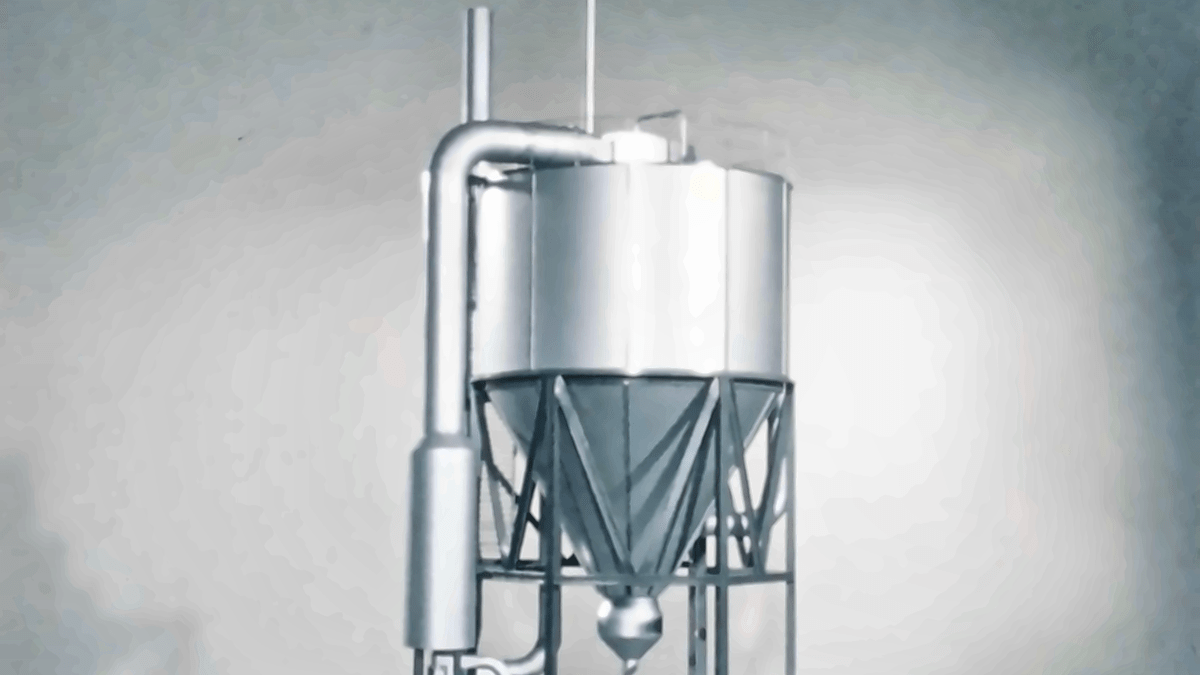
W 1976 roku inżynierowie NIRO odpowiedzieli na wyzwanie ze strony konkurencji, na nowo definiując możliwości suszenia rozpyłowego. Ich pomysł dał początek wielostopniowej suszarce MSD. Pięćdziesiąt lat później ta sama podstawowa zasada pomaga przekształcać płyny w proszki wykorzystywane na całym świecie do produkcji niezbędnych produktów żywieniowych i ważnych leków. Historia MSD, doskonalonej przez dziesięciolecia dzięki wiedzy inżynieryjnej, doświadczeniom klientów i ciągłemu rozwojowi, to historia innowacji o trwałym znaczeniu.

Więcej niż maszyna: klucz do poprawy wydajności zakładu
Wydajność maszyny nie przekłada się automatycznie na wydajność fabryki. Prawdziwa poprawa często zaczyna się od wyjścia poza ramy poszczególnych urządzeń i zrozumienia, w jaki sposób wzajemnie na siebie oddziałują procesy, systemy energetyczne i decyzje operacyjne. Jest to podejście kompleksowe, mające na celu odkrycie możliwości, które w przeciwnym razie mogłyby zostać przeoczone.
W jaki sposób zawór może wpływać na sposób produkcji żywności i napojów
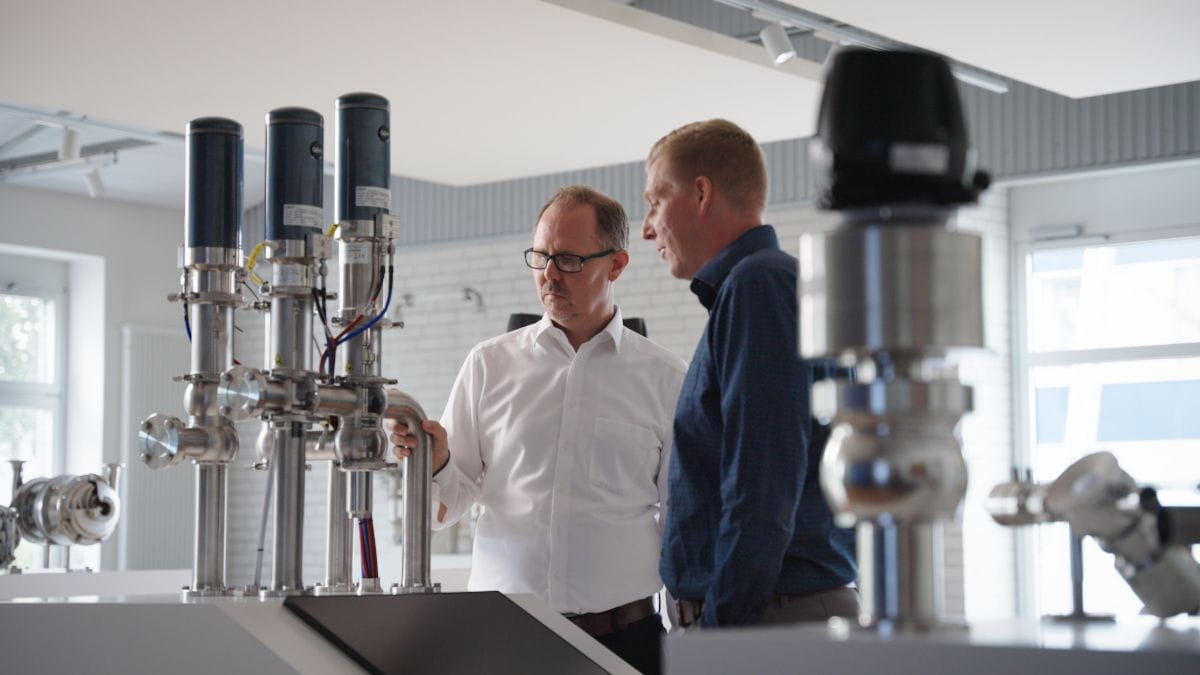
Zazwyczaj w zakładach produkujących żywność i napoje zawory są uruchamiane za pomocą sprężonego powietrza. Tymczasem w GEA Hydract® Actuation Technology do sterowania zaworami wykorzystuje się wodę w zamkniętym obiegu sterowanym cyfrowo. W rezultacie otrzymujemy zawór, który można precyzyjnie utrzymać w odpowiednim położeniu i sterować nim z dużą dokładnością. Skutkuje to mniejszym zużyciem energii i większą kontrolą.
