

GEA’s Conductor is the highly advanced, SCADA-based heart of the control system architecture that brings all the smart and robust ConsiGma® processes and technological solutions together in one easily controlled environment.
It interfaces with the automation layers of the individual ConsiGma® modules, which are part of the lines, PAT instruments (if present) and PAT management systems, Advanced Process Control systems such as PharmaMV® (Perceptive Engineering), Data historian and MES solutions, all depending on the customer IT landscape.
Standard Functionality
- One unified user interface for all modules part of the line
- User authorization
- Trending for all process data
- Export of process data to CSV files
- Unified recipe system
- Batch wizard
- Historical data storage on SQL server
- Reporting
Available Options
- Integration of third-party HMIs (possible limited functionality)
- Communication with Data historian
- Communication with MES systems
- Communication with PAT managements system
- Integration with APC systems
Read more about how GEA and its partners are implementing this technology to lead the way toward smaller, more flexible, continuous processing technologies that are transforming the future of pharmaceutical development and manufacturing.
Downloads
Powiązane produkty

ConsiGma® Direct Compression with Linear Blending (DC-LB) Lines
A highly integrated solution for continuous linear blending and direct compression, the ConsiGma® DC-LB lines offer all the advantages of continuous manufacturing: supply chain agility, small footprint, controlled blending and compression and improved quality.

ConsiGma® Film Coater
The ConsiGma® Film Coater is based on the GEA high-performance tablet coating technology that gently and accurately deposits controlled amounts of coating materials onto tablet cores — even if they are hygroscopic or friable.

ConsiGma® 1 - R&D Granulation and Drying
The ConsiGma® 1 offers standalone continuous twin-screw granulation and drying for small-scale R&D operations. It allows users to develop the process and achieve high granule quality on a compact unit.

ConsiGma® Granulation and Drying (GD) Modules
Based on proven continuous twin-screw granulation technology, the ConsiGma® GD modules enable the production of higher quality granules under better control, even in a bin-2-bin set-up.

GEA Insights
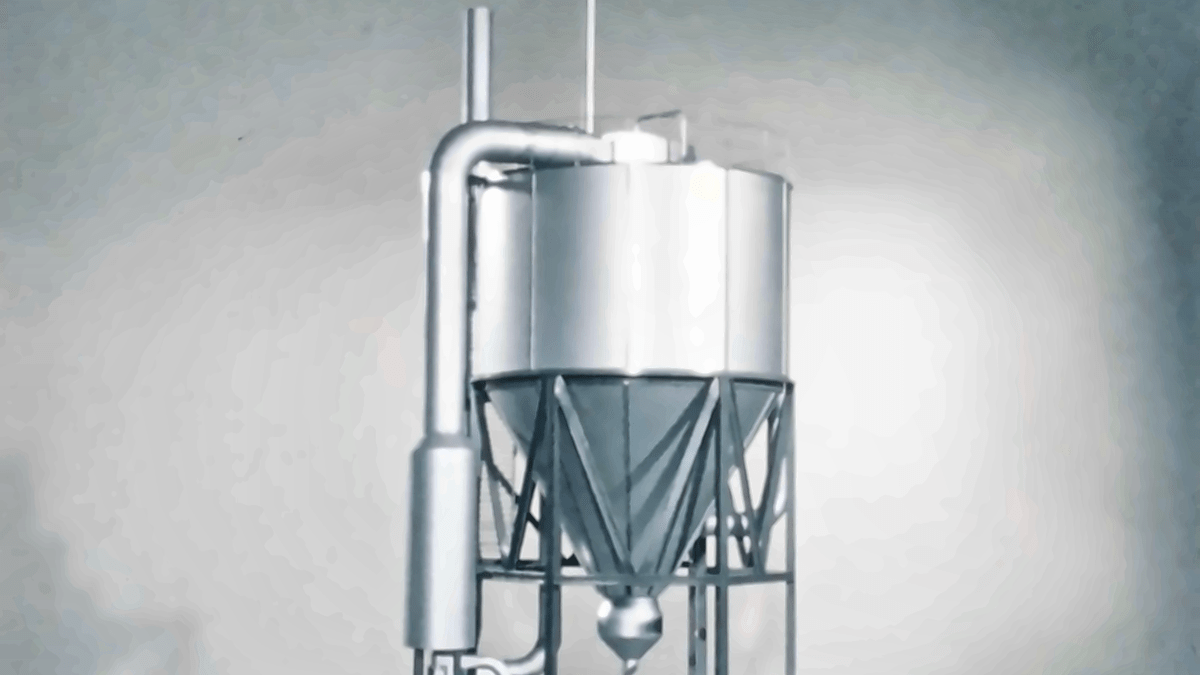
The breakthrough that changed spray drying
In 1976, NIRO engineers responded to a competitive challenge by rethinking what spray drying could do. Their idea became the multi-stage dryer MSD. Fifty years later, the same fundamental principle helps turn liquids into the powders used in essential nutrition products and important medicines around the world. Refined through decades of engineering expertise, customer insight and continuous development, MSD is a story of innovation with lasting impact.
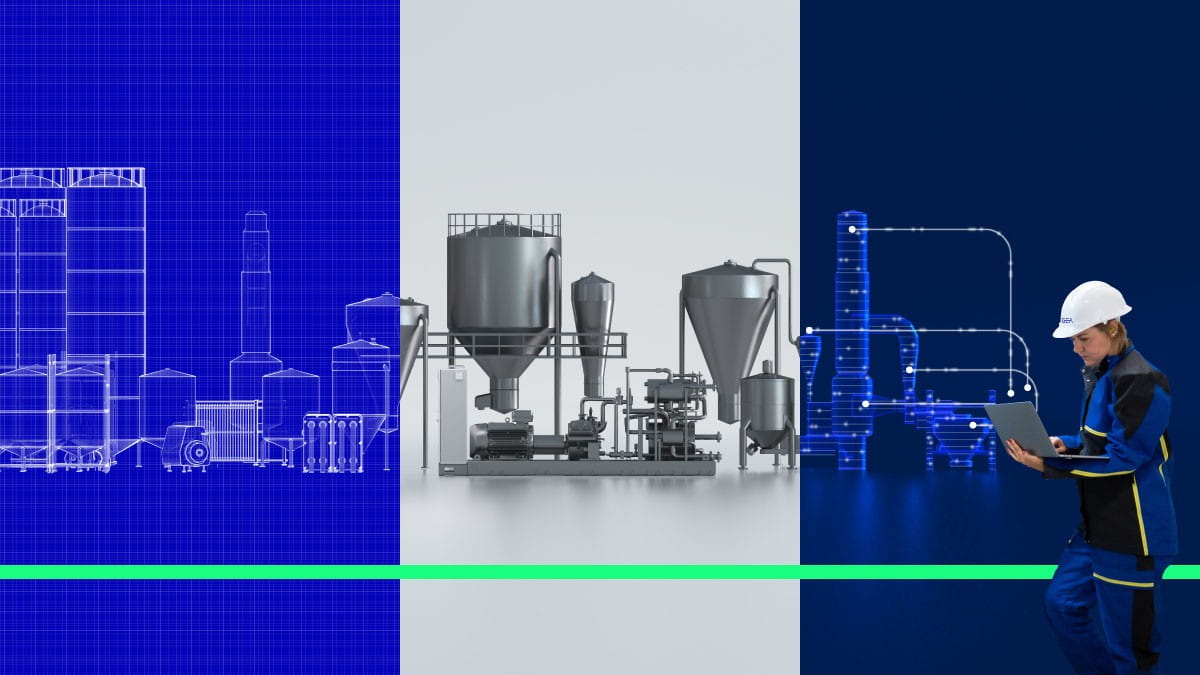
Więcej niż maszyna: klucz do poprawy wydajności zakładu
Wydajność maszyny nie przekłada się automatycznie na wydajność fabryki. Prawdziwa poprawa często zaczyna się od wyjścia poza ramy poszczególnych urządzeń i zrozumienia, w jaki sposób wzajemnie na siebie oddziałują procesy, systemy energetyczne i decyzje operacyjne. Jest to podejście kompleksowe, mające na celu odkrycie możliwości, które w przeciwnym razie mogłyby zostać przeoczone.
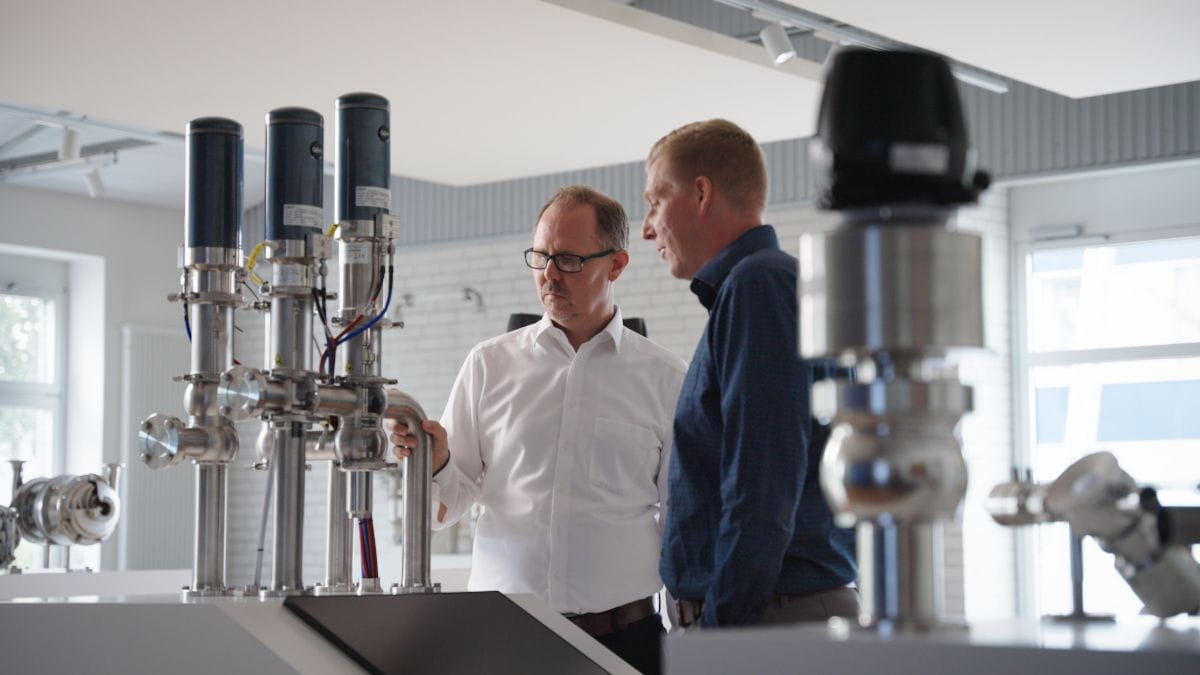
W jaki sposób zawór może wpływać na sposób produkcji żywności i napojów
Zazwyczaj w zakładach produkujących żywność i napoje zawory są uruchamiane za pomocą sprężonego powietrza. Tymczasem w GEA Hydract® Actuation Technology do sterowania zaworami wykorzystuje się wodę w zamkniętym obiegu sterowanym cyfrowo. W rezultacie otrzymujemy zawór, który można precyzyjnie utrzymać w odpowiednim położeniu i sterować nim z dużą dokładnością. Skutkuje to mniejszym zużyciem energii i większą kontrolą.
