

Benefits of our centrifuges
- Efficient de-oiling of produced water
- Separation of fine particles
- Continuous operation with patented self-cleaning sludge removal system
- Reduce residual oil content to max. 5 ppm, meeting IMO standards
- Reduced disposal costs
- Space-saving design
- Low energy consumption
- Significant reduction in operating costs
Meeting IMO regulations
Across various processes in the oil and gas industry, including the treatment of produced water, strict adherence to environmental regulations is crucial. To meet the standards set by the International Maritime Organization (IMO), GEA offers specialized high-performance, self-cleaning centrifugal separators and clarifying decanter centrifuges. The goal is to efficiently reduce the oil content to levels below the legally specified limits, often set at 15 ppm or 5 ppm in some regions.
Suitable for offshore and onshore use
GEA's self-cleaning disk-type centrifuges are widely used on drilling vessels and platforms globally, delivering reliable and efficient performance. Thanks to their direct drive and the fact that they are not affected by movements of the vessels, these machines are perfect for offshore tasks but are equally suitable for onshore usage. Depending on the specific requirements, our machines are also available in gas-tight and explosion-protected versions.
Mainstream treatment
Disk stack centrifuges play a crucial role in the mainstream treatment of produced water. Utilizing centrifugal force, these machines efficiently separate fine oil droplets and solid particles from the water. Integrating disk stack centrifuges into the treatment process ensures improved clarity and purity, complying with environmental standards for safe disposal or reinjection.

Integration of disk stack centrifuges in the produced water treatment system
Sidestream treatment
Decanter centrifuges are vital in the sidestream treatment of produced water. These robust machines efficiently separate solids from liquids by using high-speed rotational forces, making them ideal for handling large volumes of water with high solid content. Incorporating decanter centrifuges into the produced water treatment process significantly boosts the elimination of suspended solids, thus enhancing water quality.

Integration of decanter in the produced water treatment system
Produkty i technologie
Wyświetlane elementy: 4 z 4

Pompy pneumatyczne
Pompy pneumatyczne, zwane też strumienicami ssącymi, to urządzenia do transportu, sprężania i mieszania gazów, oparów, płynów i części stałych oraz tworzenia podciśnienia, w którym nośnik gazowy lub płynny pełni funkcję siły napędowej.

Separator odśrodkowy
Wirówki GEA zostały zaprojektowane do pracy z produktami opartymi na bazie cieczy. Za sprawą siły odśrodkowej są stosowane do wirowania mieszanin składających się z co najmniej dwóch faz o różnej gęstości, tj. mogą być stosowane do oddzielania ciecz-ciecz, oddzielania ciecz-ciecz-frakcja stała lub oddzielania ciecz-frakcja stała. Są równie skutec...

Urządzenia mieszające ciecze
Mieszanie stanowi kluczowy proces w ramach wytwarzania różnorodnych produktów w wielu różnych branżach. Bazując na bogatym doświadczeniu i technologicznym know-how, GEA oferuje różnorodne rozwiązania mieszania wsadowego, ciągłego i zaprojektowanego na zamówienie, do wyjątkowych zastosowań spełniających konkretne potrzeby klientów.

Wirówki dekantacyjne
Dekantery będą coraz bardziej przydatne, jeżeli zawartość frakcji stałej w zawiesinie do przetworzenia będzie szczególnie wysoka. Urządzenia te przynoszą korzyści w postaci wysokiej skuteczności oczyszczania i maksymalnego odwadniania oraz oddzielania płynów przy jednoczesnym usuwaniu części stałych. Główne wymogi w tym procesie to duża szybkość ...


Downloads
GEA Insights
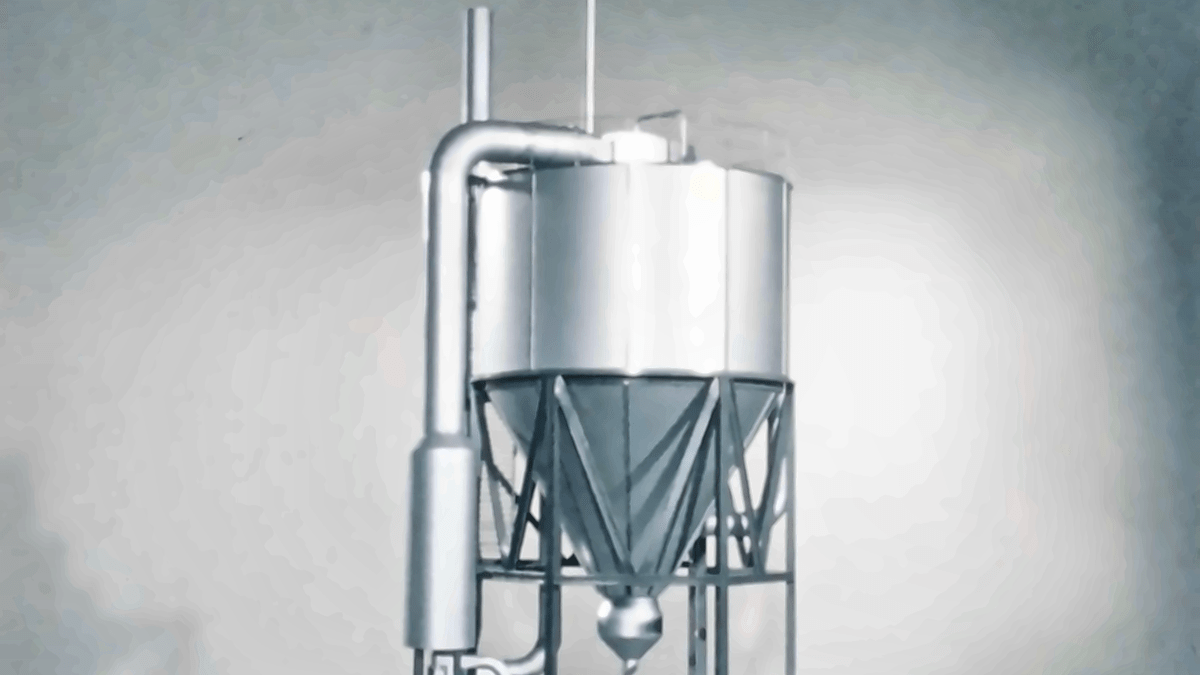
The breakthrough that changed spray drying
In 1976, NIRO engineers responded to a competitive challenge by rethinking what spray drying could do. Their idea became the multi-stage dryer MSD. Fifty years later, the same fundamental principle helps turn liquids into the powders used in essential nutrition products and important medicines around the world. Refined through decades of engineering expertise, customer insight and continuous development, MSD is a story of innovation with lasting impact.
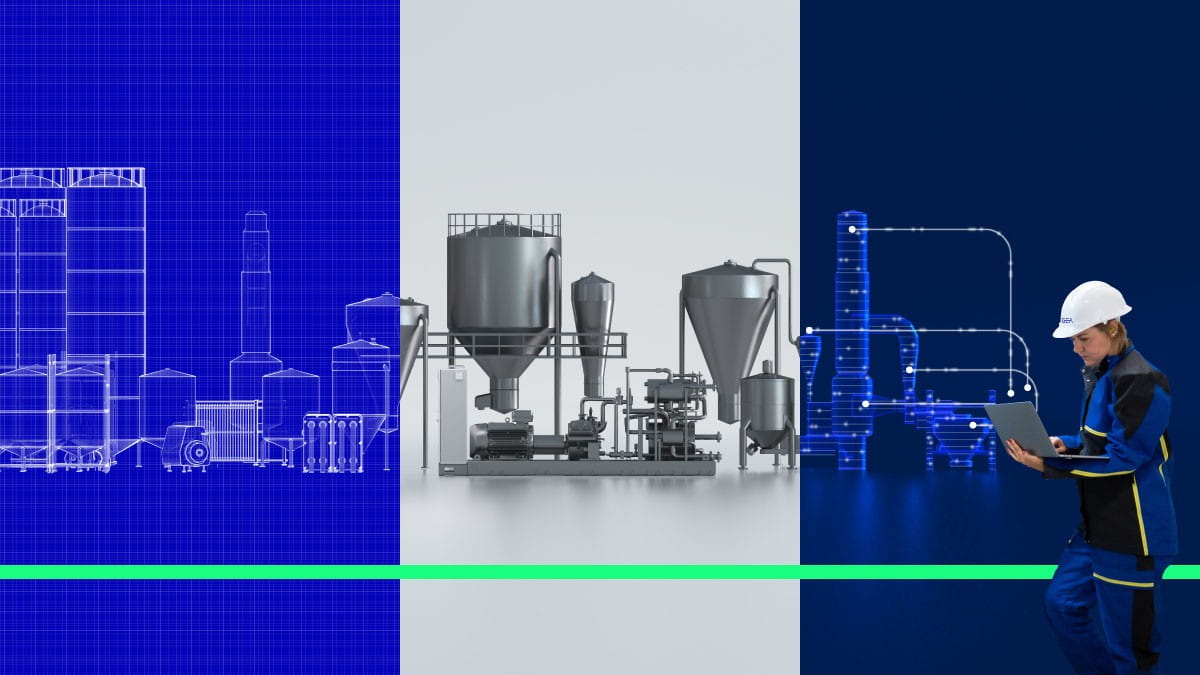
Więcej niż maszyna: klucz do poprawy wydajności zakładu
Wydajność maszyny nie przekłada się automatycznie na wydajność fabryki. Prawdziwa poprawa często zaczyna się od wyjścia poza ramy poszczególnych urządzeń i zrozumienia, w jaki sposób wzajemnie na siebie oddziałują procesy, systemy energetyczne i decyzje operacyjne. Jest to podejście kompleksowe, mające na celu odkrycie możliwości, które w przeciwnym razie mogłyby zostać przeoczone.
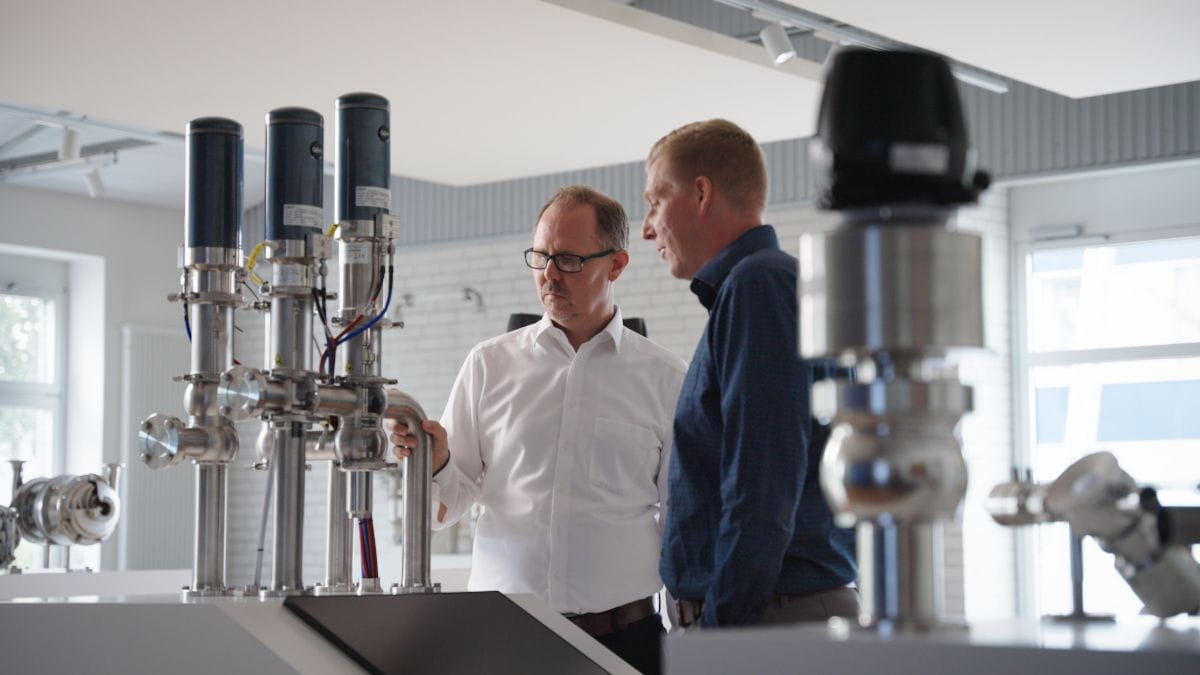
W jaki sposób zawór może wpływać na sposób produkcji żywności i napojów
Zazwyczaj w zakładach produkujących żywność i napoje zawory są uruchamiane za pomocą sprężonego powietrza. Tymczasem w GEA Hydract® Actuation Technology do sterowania zaworami wykorzystuje się wodę w zamkniętym obiegu sterowanym cyfrowo. W rezultacie otrzymujemy zawór, który można precyzyjnie utrzymać w odpowiednim położeniu i sterować nim z dużą dokładnością. Skutkuje to mniejszym zużyciem energii i większą kontrolą.
