


GEA’s meVap® system is an industrial heat pump solution based on proven Mechanical Vapor Recompression (MVR) technology. GEA meVap® Compression supports the electrification of industrial steam generation by using recovered process. By tapping into waste heat and electrifying thermal processes, we help customers transition to efficient, and resilient operations.
Electrified steam generation with GEA meVap® Compression.
Across energy intensive industries, a significant share of the energy used in production is still lost as low grade waste heat—whether in the form of exhaust vapors, warm process liquids, or wastewater. In many cases, this thermal energy must even be cooled down with additional energy before it can be released to the environment.
GEA enables customers to unlock this vast and often untapped potential. With meVap® Compression, GEA’s steam-producing high-temperature heat pump, we transform waste heat into valuable process steam—supporting reduced fossil-fuel use and improved heat integration where the process conditions allow.
How does GEA Support electrified steam generation?
With meVap® Compression, GEA supports industrial customers in:
- Reducing energy consumption and lowering dependency on fossil fuels
- Reusing waste heat for internal or external steam demands
- Improving plant energy performance through heat recovery and process-specific heat integration
By combining process heat recovery with electrically driven compression, GEA meVap® Compression can support the transition from fossil-based to electrified steam supply, depending on the electricity source and site-specific process conditions.
How does the meVap® Compression work?
GEA meVap® Compression is designed for low-temperature waste-heat streams and delivers steam at the pressure and temperature required for production processes.

Conversion of waste heat to process steam
Change to: 1. Harvesting waste heat
The system extracts energy from warm liquids, dryer vapours, exhaust air, cooling water or low-pressure steam. Even streams that are no longer usable for the original process can contain recoverable energy. Depending on the available heat source, a heat pump can be integrated to improve overall system efficiency; in some cases, air or vapour streams can be cleaned prior to a high-temperature heat pump system.
2. Generating low-pressure steam
Depending on the medium, falling-film or forced-circulation evaporators convert the recovered heat into low-pressure steam. When wastewater is used as a source, an additional flashing step can convert liquid into vapour.
3. Mechanical vapour recompression (MVR)
An electrically driven compressor draws in the steam and increases its pressure and temperature in a single- or multi-stage configuration. This raises the steam to a higher pressure level, enabling it to be used directly as a heating medium.
4. Delivering high-temperature process steam
The upgraded steam can fully or partially replace fossil-based steam supply, depending on the heat source, output requirements and site conditions. The system layout is tailored to the available heat source, required output and site conditions.
What are the key advantages of GEA meVap® Compression?
- Efficient heat recovery: The system can reduce primary energy demand and associated CO₂ emissions, depending on the heat source, process configuration and operating conditions.
- Reduced fresh-steam and cooling-water use: Lower consumption of fresh steam and cooling water can lead to OPEX savings, depending on local utility costs and process conditions.
- Compact, flexible and retrofit-friendly design for integration into existing plants.
- Mature, industrial-scale technology backed by GEA’s experience in evaporation, heat pumps and MVR systems.
- High operational reliability supported by advanced automation, safety features and GEA’s DynamicProcessTwin.

Coefficient of performance (COP)

COP examples |
η = 0,7 |
η = 0,5 |
|
ΔT = 6K |
40,7 |
29,1 |
|
ΔT = 60 K |
4,7 |
3,4 |
|
ΔT = 120 K |
2,7 |
1,9 |

Want to learn even more?
Webinar: GEA meVap® Compression
- Learn how meVap® compression extends GEA’s utility portfolio from refrigeration to high-temperature steam.
- Identify your waste heat potential and assess its impact on primary energy demand, carbon footprint and OPEX.
- Come in touch with real life application examples.
Downloads
Prodotti correlati

GEA meVap® Crystallization
GEA meVap® Crystallization works efficiently across various crystallization setups—even in saline or corrosive environments.

GEA meVap® Distillation
GEA provides two meVap® distillation solutions: Secondary Circuit Compression for steam reuse, and Direct Alcohol Compression for direct heating.

GEA meVap® Evaporation
GEA meVap® Evaporation is designed for operational reliability and process performance in a wide range of industrial environments.
Approfondimenti GEA
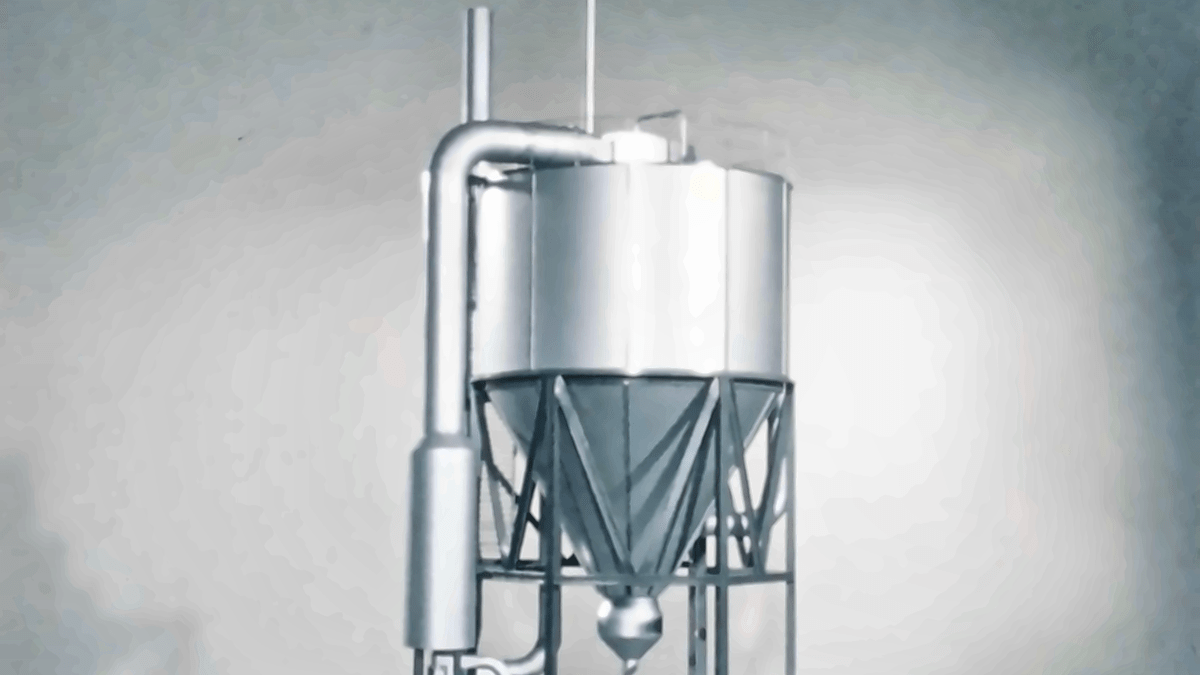
The breakthrough that changed spray drying
In 1976, NIRO engineers responded to a competitive challenge by rethinking what spray drying could do. Their idea became the multi-stage dryer MSD. Fifty years later, the same fundamental principle helps turn liquids into the powders used in essential nutrition products and important medicines around the world. Refined through decades of engineering expertise, customer insight and continuous development, MSD is a story of innovation with lasting impact.
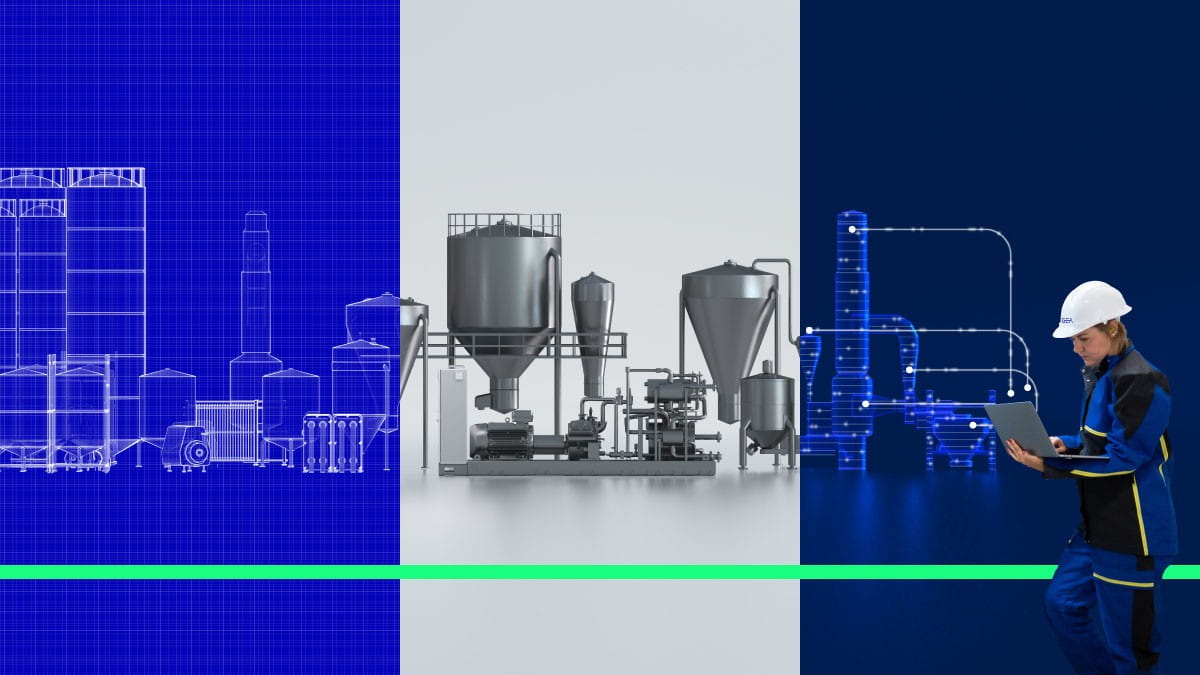
Oltre le macchine: come migliorare le prestazioni dell’impianto
Una macchina efficiente non garantisce automaticamente l'efficienza di uno stabilimento. Il vero miglioramento spesso inizia guardando oltre le singole attrezzature e comprendendo come i processi, i sistemi energetici e le decisioni operative si influenzino a vicenda. Si tratta di un approccio olistico pensato per individuare opportunità che altrimenti potrebbero sfuggire.
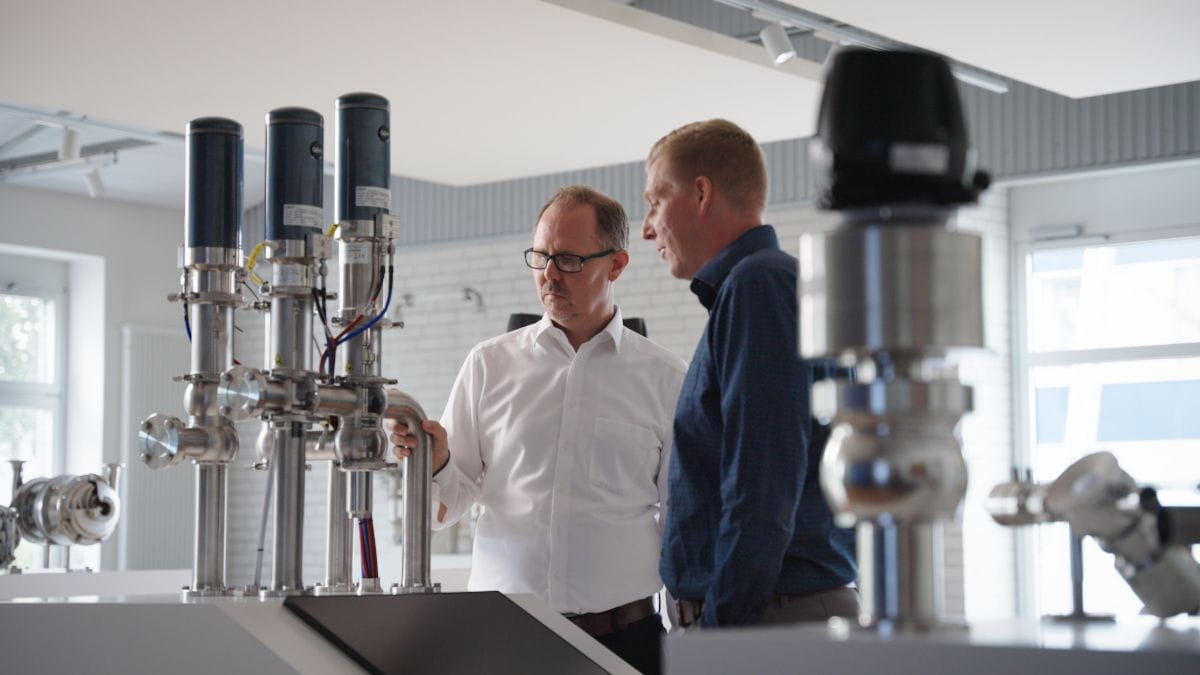
Come una valvola rivoluziona la produzione di alimenti e bevande
Negli impianti di produzione di alimenti e bevande, le valvole vengono solitamente azionate tramite aria compressa. GEA Hydract® Actuation Technology utilizza l'acqua all'interno di un circuito chiuso e controllato digitalmente. Il risultato è una valvola che può essere mantenuta esattamente in posizione e regolata con per piccoli incrementi con grande precisione. Ciò si traduce in un minor consumo energetico e in un maggiore controllo.
