

GEA's Environmental Spray Drying Systems combine decades of spray drying expertise with advanced solutions for flue gas cleaning and liquid waste stream concentration. Whether the objective is reducing atmospheric emissions or achieving Zero Liquid Discharge (ZLD), GEA offers proven spray drying technologies that help customers meet increasingly stringent environmental requirements.
Our solutions address both air emission control and liquid waste management challenges. They facilitate the removal of acidic pollutants, heavy metals, dioxins, and dust from flue and off-gases to achieve ultra-low emission levels, while also converting wastewater, brines, and other liquid waste streams into manageable dry solids. The result is improved process efficiency, optimized resource utilization, and enhanced environmental sustainability. The portfolio includes Spray Drying Absorption (SDA) for flue gas cleaning and Spray Drying Evaporation (SDE) for Zero Liquid Discharge (ZLD) applications.
The right spray drying solution for every challenge
Using the same core principle of atomizing liquids into a hot gas stream, GEA's spray drying technologies address two distinct environmental challenges.
Spray Drying Absorption (SDA)
The Spray Drying Absorption (SDA) process is a proven semi-dry flue gas desulfurization and cleaning technology. It efficiently converts gaseous pollutants such as SO₂, SO₃, HCl, mercury, and dioxins into stable, dry reaction products through contact with a lime-based absorbent. The resulting dry powder is easy to handle, transport, and dispose of while supporting compliance with stringent emission regulations. SDA systems are widely used in waste-to-energy plants, fossil-fueled power plants, waste incinerators, sinter plants, smelters, metallurgical facilities, and other industrial installations.
Spray Drying Evaporation (SDE)
The Spray Drying Evaporation (SDE) process is designed for Zero Liquid Discharge applications, converting salt- and solids-containing wastewater streams into dry solids. Using the heat available from industrial flue gases, water is evaporated from the effluent stream, leaving a dry powder that is collected in a downstream filtration system. This enables complete elimination of liquid effluent discharge while supporting water recovery and sustainable waste management. SDE systems are widely used in chemical processing, mining and minerals processing, industrial wastewater treatment, wet flue gas desulfurization (FGD) wastewater treatment, and metallurgical and refining operations.
Together, SDA and SDE provide a comprehensive portfolio of spray drying solutions for air pollution control, wastewater minimization, and sustainable industrial operation.
Products
Affichage de 2 sur 2

Absorbeur-sécheur par atomisation
Les absorbeurs-sécheurs par atomisation facilitent l'élimination des polluants acides, métaux lourds et poussières provenant des gaz de combustion et de dégagement dans les centrales électriques à combustible fossile, les incinérateurs de déchets et les installations industrielles.

Spray Drying Evaporation
GEA's spray drying evaporation is a simple process that requires limited attention from the operator while maintaining high reliability. It can be easily integrated with either existing or new WFGD.
Downloads
GEA Insights
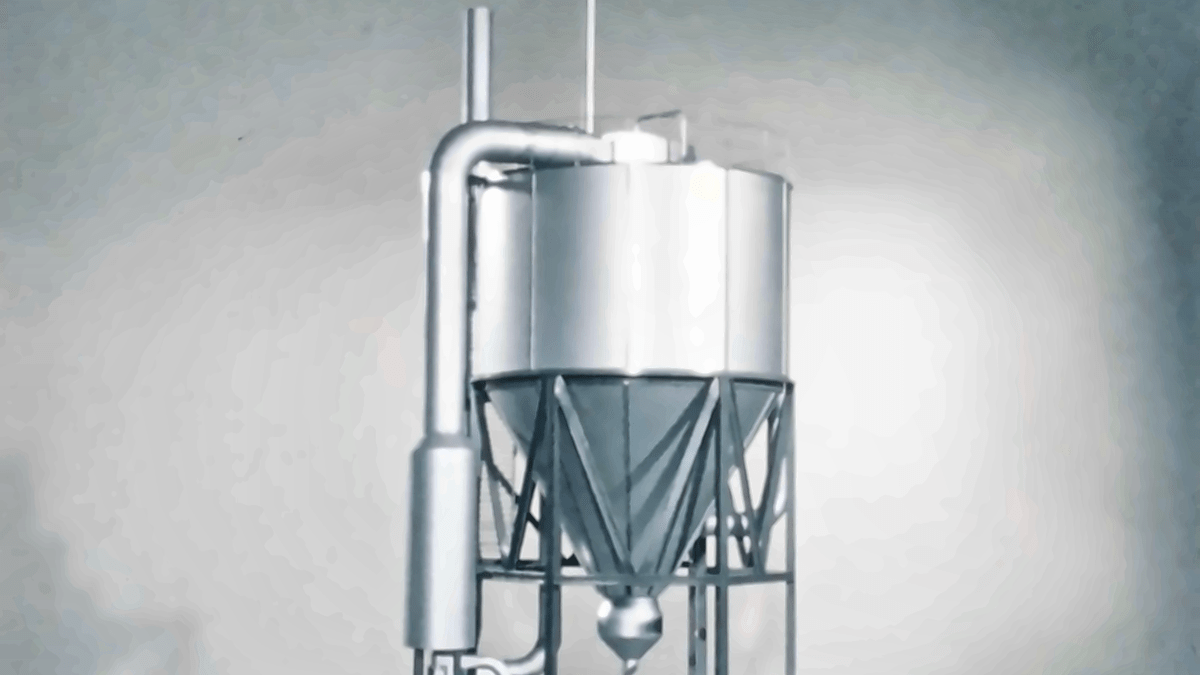
The breakthrough that changed spray drying
In 1976, NIRO engineers responded to a competitive challenge by rethinking what spray drying could do. Their idea became the multi-stage dryer MSD. Fifty years later, the same fundamental principle helps turn liquids into the powders used in essential nutrition products and important medicines around the world. Refined through decades of engineering expertise, customer insight and continuous development, MSD is a story of innovation with lasting impact.
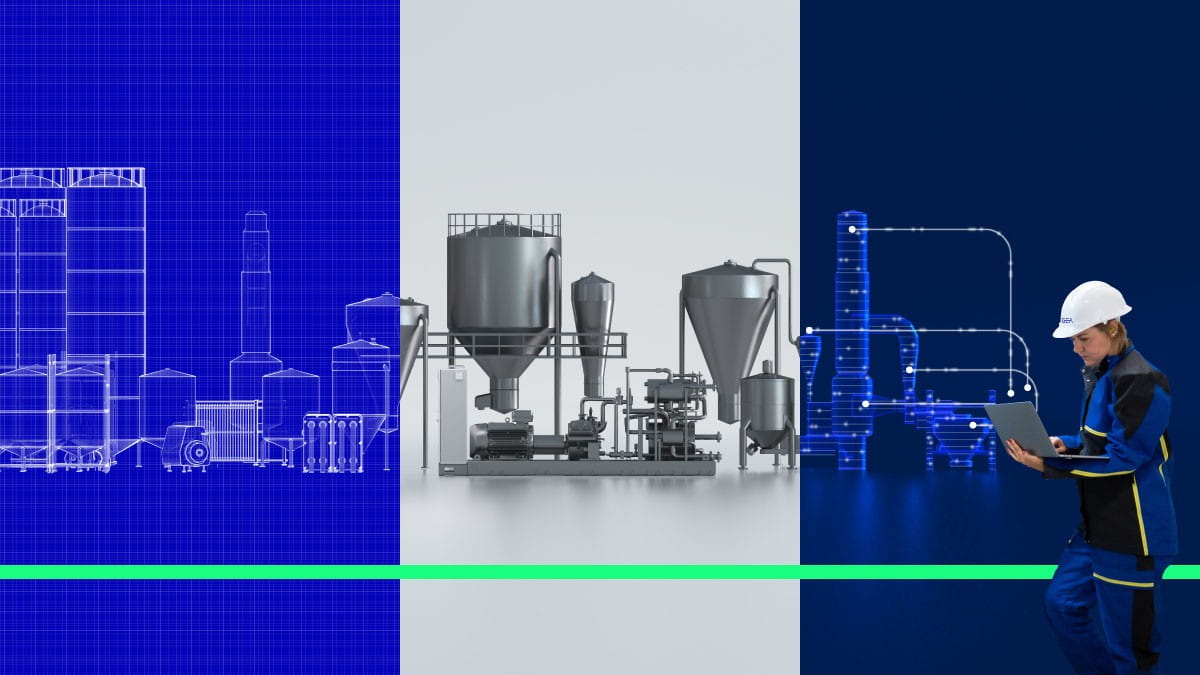
Au-delà des machines : exploiter les gisements de performance des installations
Ce n'est pas parce que vous avez des machines efficaces que votre usine l'est. Une trajectoire d'amélioration efficace commence souvent par une analyse qui ne se limite pas aux équipements pris individuellement, et cherche à comprendre comment les processus, les systèmes énergétiques et les décisions opérationnelles s'influencent mutuellement. C'est une démarche holistique, conçue pour repérer des opportunités qui, sans cela, risqueraient de passer inaperçues.
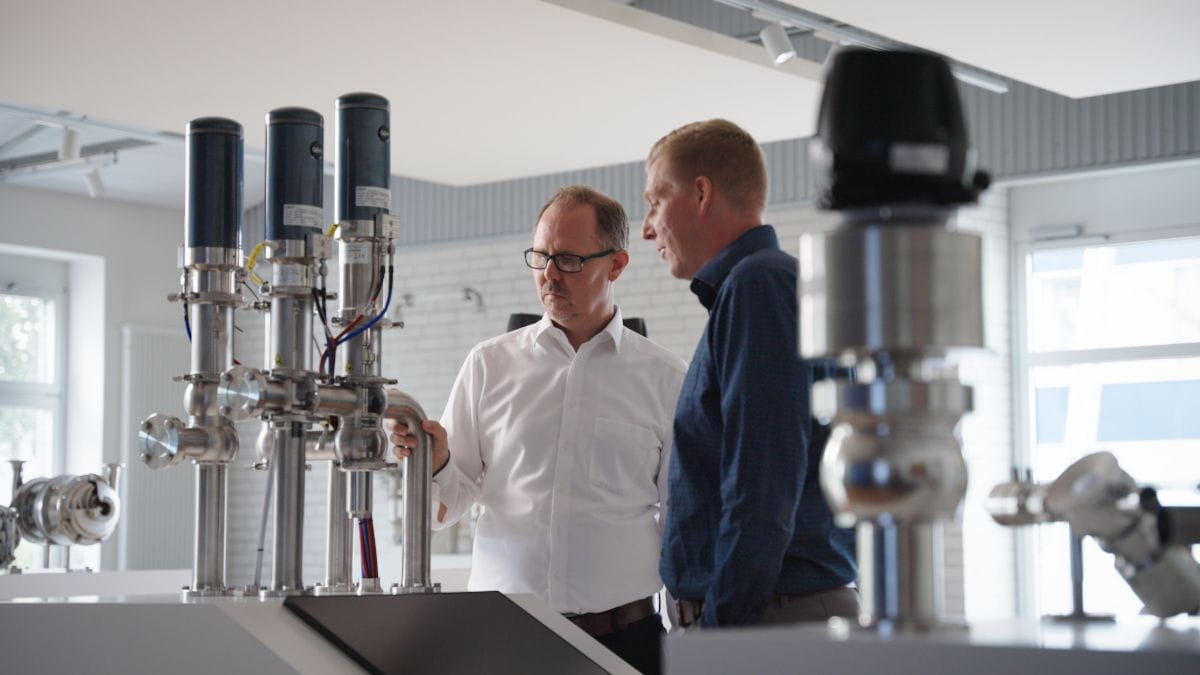
Comment une vanne révolutionne la production des aliments et des boissons
Dans les installations agroalimentaires, les vannes sont généralement actionnées en utilisant de l'air comprimé. La technologie d'actionnement GEA Hydract® Actuation Technology, quant à elle, actionne les vannes en utilisant de l'eau, au sein d'un circuit fermé à commande numérique. Résultat, une vanne peut être maintenue en place de manière exacte et réglée par petits paliers. Cela se traduit par une consommation d'énergie en baisse et un meilleur contrôle.
