
At GEA, we believe that continuous processing improves the quality of pharmaceutical end products: by focusing on quality during the whole product lifecycle, not just “tested in” quality; and by understanding the capability of your processes, managing sources of variability and decreasing any associated risks.
Our solution for continuous drying and particle processing plants is ConsiGma®, a 6 sigma-inspired manufacturing platform, incorporating different technologies to produce oral solid dosage forms in a continuous, cost-efficient way:
- by collecting more information during R&D phase, in a short time with less product
- by excluding risky, time- and product consuming scale-up exercises
- by introducing online measurement and closed loop control targeting real-time release (6 sigma production)
- by incorporating flexible batch size (JIT production), reducing inventory
- by reducing the energy cost per tablet, reducing environmental impact.
Products
Affichage de 4 sur 8

ConsiGma® 1 - R&D Granulation and Drying
The ConsiGma® 1 offers standalone continuous twin-screw granulation and drying for small-scale R&D operations. It allows users to develop the process and achieve high granule quality on a compact unit.

ConsiGma® Conductor
An indispensable part of the ConsiGma portfolio, the Conductor control system architecture ensures smooth operation and communication between the different elements of a pharmaceutical continuous manufacturing line

ConsiGma® Direct Compression with Linear Blending (DC-LB) Lines
A highly integrated solution for continuous linear blending and direct compression, the ConsiGma® DC-LB lines offer all the advantages of continuous manufacturing: supply chain agility, small footprint, controlled blending and compression and improved quality.

ConsiGma® Direct Compression with Ribbon Blending (DC-RB) Lines
A cost-effective solution for continuous dry blending and tablet compression using ribbon blending, ConsiGma® DC-RB lines make the advantages of continuous manufacturing (supply chain agility, small footprint and improved quality) available for all.
Downloads
GEA Insights
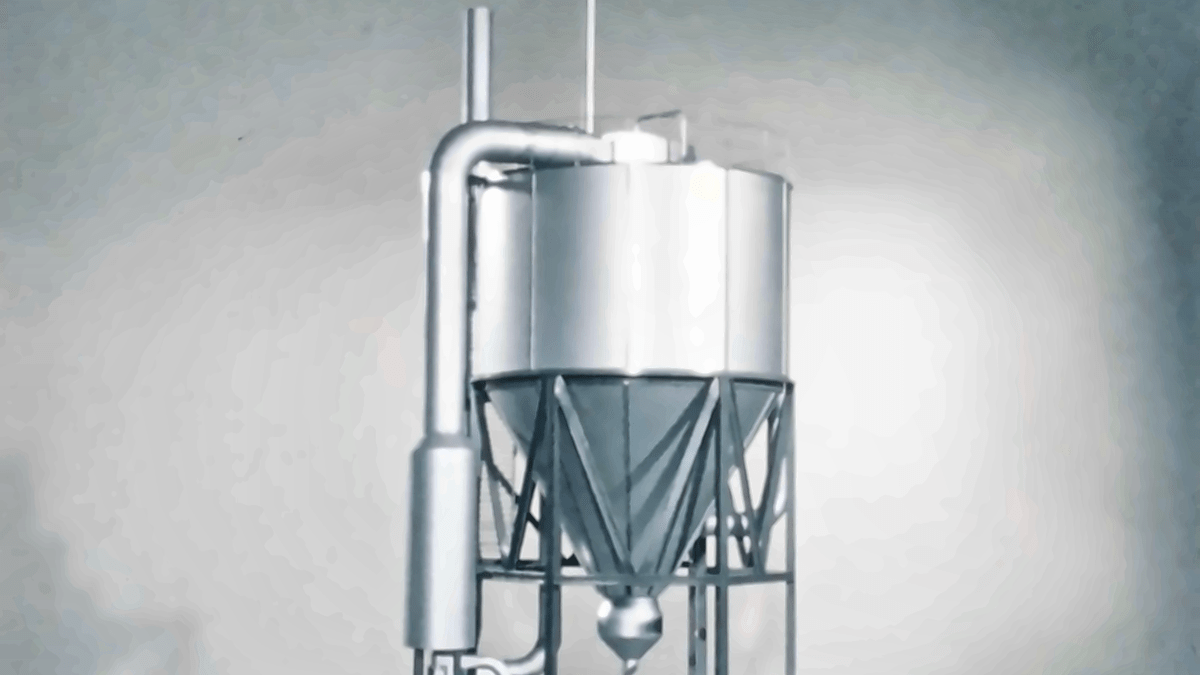
The breakthrough that changed spray drying
In 1976, NIRO engineers responded to a competitive challenge by rethinking what spray drying could do. Their idea became the multi-stage dryer MSD. Fifty years later, the same fundamental principle helps turn liquids into the powders used in essential nutrition products and important medicines around the world. Refined through decades of engineering expertise, customer insight and continuous development, MSD is a story of innovation with lasting impact.
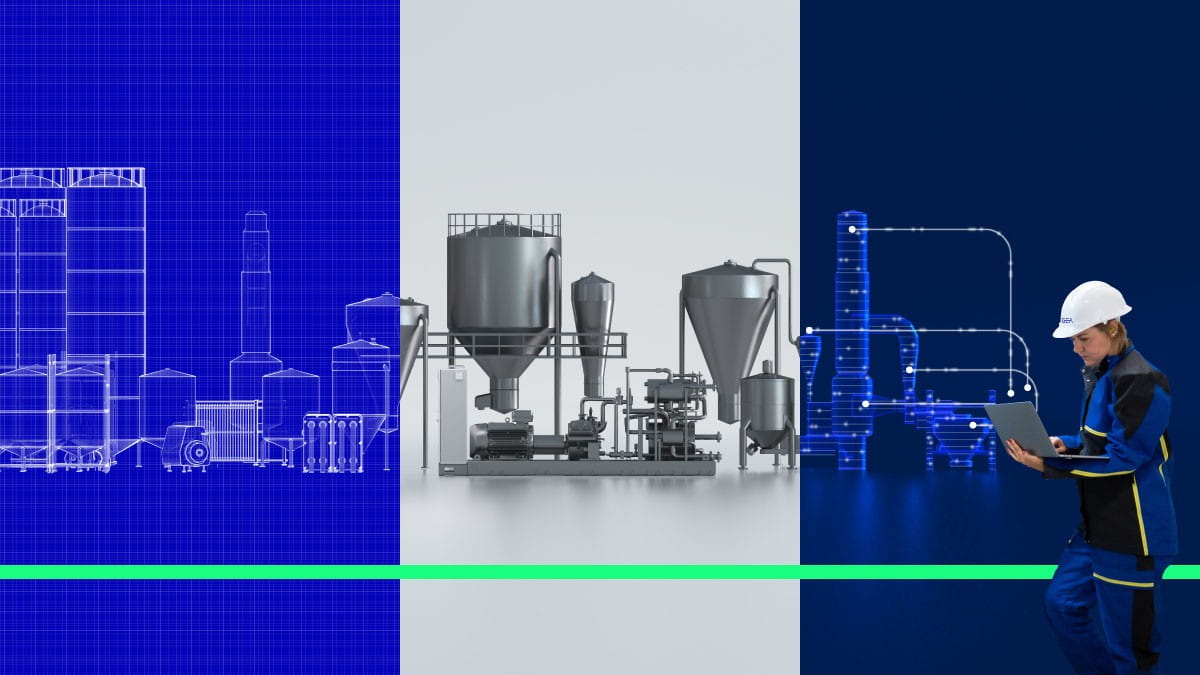
Au-delà des machines : exploiter les gisements de performance des installations
Ce n'est pas parce que vous avez des machines efficaces que votre usine l'est. Une trajectoire d'amélioration efficace commence souvent par une analyse qui ne se limite pas aux équipements pris individuellement, et cherche à comprendre comment les processus, les systèmes énergétiques et les décisions opérationnelles s'influencent mutuellement. C'est une démarche holistique, conçue pour repérer des opportunités qui, sans cela, risqueraient de passer inaperçues.
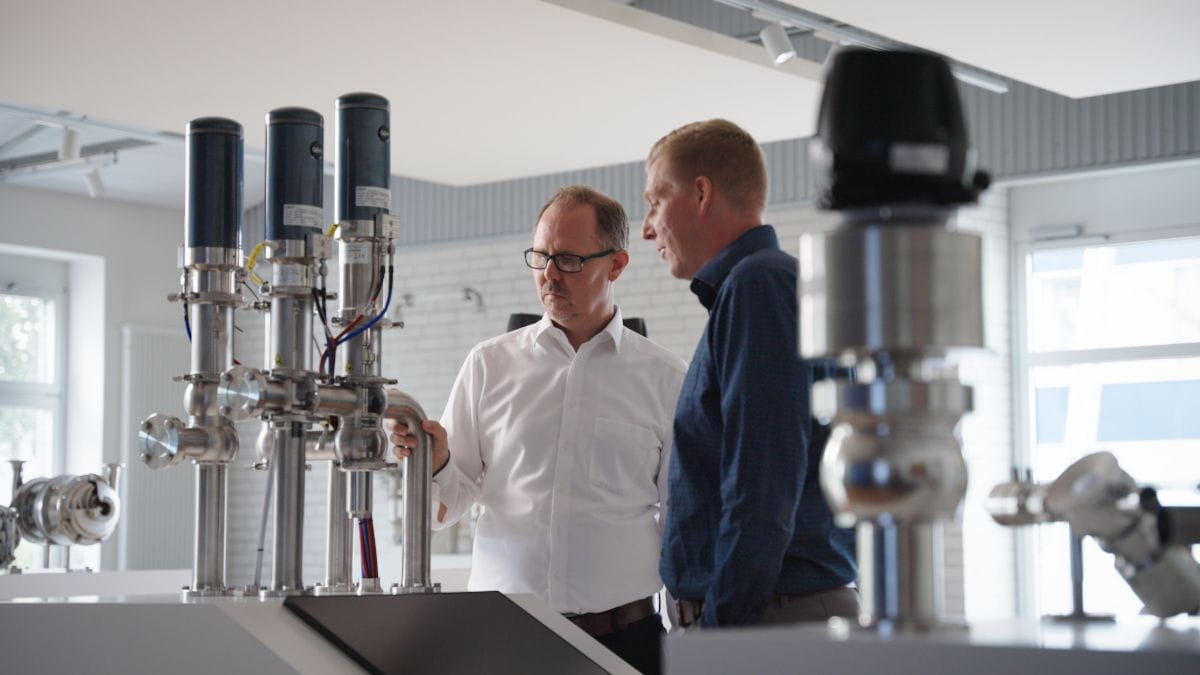
Comment une vanne révolutionne la production des aliments et des boissons
Dans les installations agroalimentaires, les vannes sont généralement actionnées en utilisant de l'air comprimé. La technologie d'actionnement GEA Hydract® Actuation Technology, quant à elle, actionne les vannes en utilisant de l'eau, au sein d'un circuit fermé à commande numérique. Résultat, une vanne peut être maintenue en place de manière exacte et réglée par petits paliers. Cela se traduit par une consommation d'énergie en baisse et un meilleur contrôle.
