

GEA Flocmix® FLD-FLM and FLD-COM
The GEA Flocmix® FLD-FLM and FLD-COM are continuously operating preparation and dosing systems (polymer dosing systems) for emulsion and dispersion polymers. The fully automated systems prepare the ready-to-use polymer solution according to process demand and dose it precisely into the process. Operation requires only electricity, polymer concentrate, water and an input signal for the sludge flow rate. A signal from the dry solids measurement can also be integrated as an option.
At the heart of each system is a GEA Flocmix® high-intensity mixer specifically developed for dissolving polymer concentrates: the GEA Flocmix® IMS mixer in the FLD-FLM, and the GEA Flocmix® IM2CA mixer in the FLD-COM. The systems are equipped with the required pumps and complete measurement and control technology. The controller allows the concentration of the ready-to-use solution and the polymer dosage to be set precisely. Its automatic dynamic control function adjusts dosing during operation according to process demand and changing conditions.
Available configurations
- GEA Flocmix® FLD-FLM
Equipped with the Flocmix® Mixer IMS, a polymer concentrate pump and a dilution water pump
- GEA Flocmix® FLD-COM
Equipped with the Flocmix® Mixer IM2CA and a polymer concentrate pump
Key effects and benefits
- Optimal properties and consistently high quality of the ready-to-use polymer solution
- Continuous, fully automated operation
- Demand-based dosing through automatic dynamic control
- Precise adjustment of polymer concentration and dosage
- Reduced polymer consumption and prevention of polymer losses
- Lower operating costs and fast return on investment
- Compact, space-saving design
Polymer preparation without aging time
In conventional tank systems, the polymer emulsion is often mixed with water using insufficient energy input. As a result, polymer inversion, dispersion and hydration take place slowly and unevenly, meaning the prepared solution requires an aging time before achieving its full effectiveness. Undissolved agglomerates can also lead to polymer losses.
In the GEA Flocmix® FLD-FLM, polymer emulsion and dilution water are precisely metered by frequency-controlled pumps and combined in the high-intensity GEA Flocmix® Mixer IMS. The targeted energy input creates a three-dimensional polymer network structure, activating and hydrating the polymer immediately. The prepared solution is ready for use without any aging time and can be fed directly into the sludge conditioning process.
Since the solution is prepared continuously and according to actual demand, there is no need for extended storage. This is an advantage because prepared polymer solutions do not remain stable indefinitely. Depending on the polymer type, concentration, temperature and water quality, their effectiveness can decrease over time.
What does aging time mean for emulsion polymers?
Aging time generally refers to the period allowed between mixing the polymer emulsion with water and using the prepared solution. A more technically accurate term is preparation or hydration time, as the key processes are polymer inversion, dispersion and hydration.
Not every emulsion polymer requires a predefined aging time. What matters is the polymer's activation state at the time of application. The time required for preparation depends on the polymer, the concentration of the prepared solution, the dilution water and, above all, the mixing and preparation conditions. A longer aging time is therefore not necessarily better. Once the polymer has been sufficiently prepared, additional storage time offers no benefit. Polyacrylamides can undergo mechanical, chemical, biological and photochemical degradation while in solution.
How the system calculates the dosage
The system automatically calculates the required dosage based on the sludge flow rate, dry solids content, desired concentration of the prepared solution and target polymer dosage. From these parameters, it determines the required flow rates of polymer concentrate and dilution water.
The concentration of the prepared solution can be set to up to 1%. If sludge flow rates fluctuate, the autodynamic control system continuously adjusts the polymer feed accordingly, preventing both overdosing and underdosing.
Produits associés

Décanteur de biosolides GEA
Le décanteur GEA pour biosolides est une centrifugeuse à fonctionnement continu et bol à paroi pleine horizontal, spécialement conçue pour (pré)déshydrater et épaissir les boues d’épuration municipales.

Décanteur de boues GEA
Les décanteurs de boues GEA fournissent une solution écoénergétique pour la déshydratation des boues des centrales d'épuration des eaux usées industrielles et de traitement des eaux.

Mélangeurs GEA Flocmix
La gamme de mélangeurs GEA Flocmix® offre des systèmes de mélange en ligne avancés, mconçus pour un mélange optimal de produits de haute qualité. Forts de plusieurs décennies d'expérience et d'une expertise solide en matière de procédés, nous proposons des solutions adaptées, fiables et efficaces pour des secteurs tels que les industries chimique...
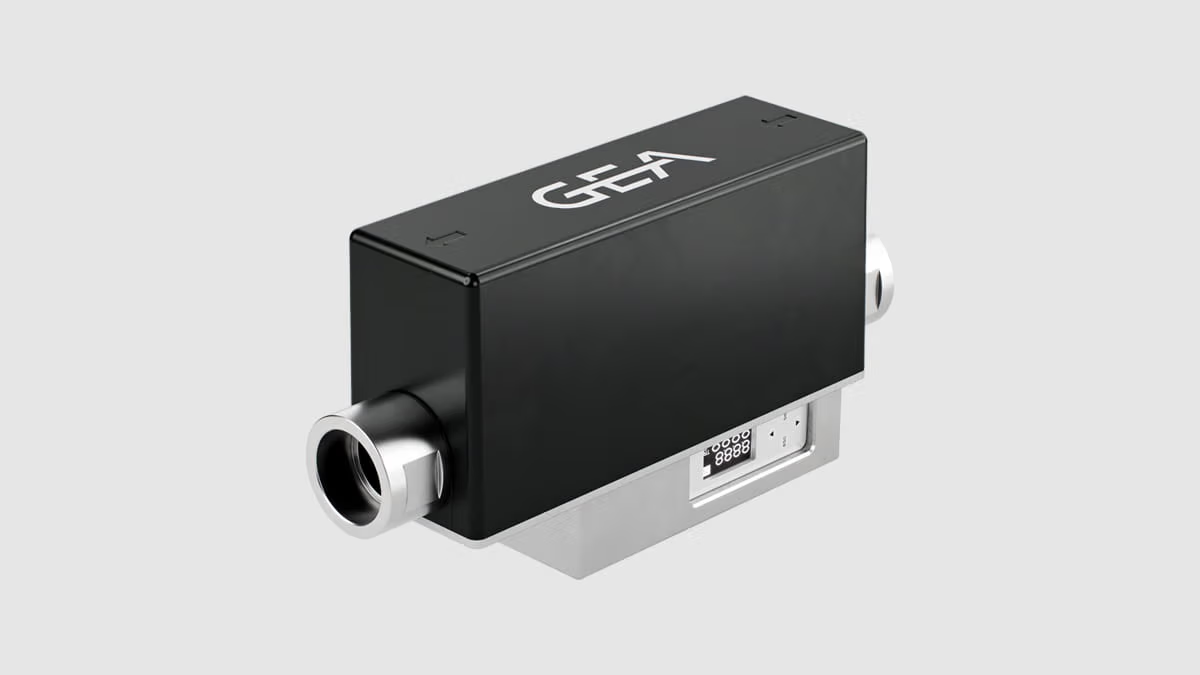
GEA Flocmix® Sensors
GEA Flocmix® Sensors continuously monitor centrate quality and dynamically adapt to changing process conditions. They help maximize dry solids content, reduce polymer consumption, and maintain consistently high separation performance for efficient, cost-effective sludge dewatering.
GEA Insights
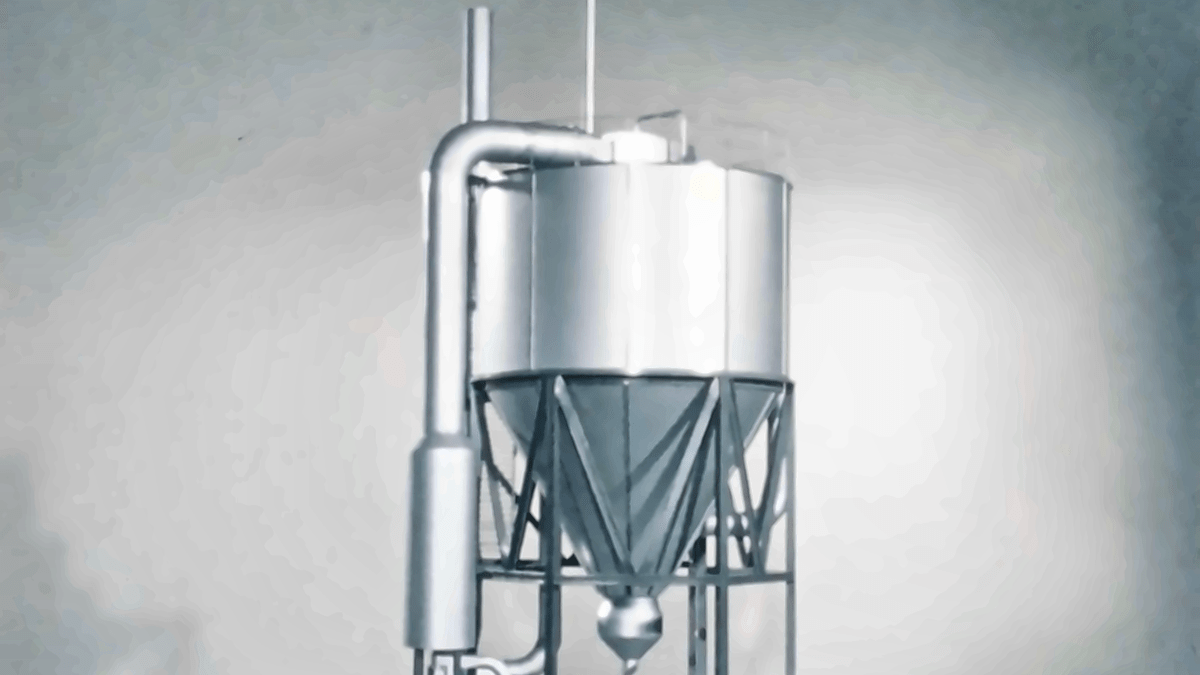
La percée qui a révolutionné le séchage par atomisation
En 1976, les ingénieurs de NIRO répondaient à un défi concurrentiel en repensant ce que pouvait faire le séchage par atomisation. Leur idée est à l'origine du sécheur-atomiseur à plusieurs étages MSD. Cinquante ans plus tard, ce même principe fondamental aide à transformer les liquides en poudres, qui sont utilisées dans des produits nutritionnels essentiels et des médicaments importants partout dans le monde. Perfectionné au cours de plusieurs décennies d'expertise technique, d'enquêtes clientèle et de développement continu, le MSD est une histoire d'innovation aux retombées durables.
Au-delà des machines : exploiter les gisements de performance des installations
Ce n'est pas parce que vous avez des machines efficaces que votre usine l'est. Une trajectoire d'amélioration efficace commence souvent par une analyse qui ne se limite pas aux équipements pris individuellement, et cherche à comprendre comment les processus, les systèmes énergétiques et les décisions opérationnelles s'influencent mutuellement. C'est une démarche holistique, conçue pour repérer des opportunités qui, sans cela, risqueraient de passer inaperçues.
Comment une vanne révolutionne la production des aliments et des boissons
Dans les installations agroalimentaires, les vannes sont généralement actionnées en utilisant de l'air comprimé. La technologie d'actionnement GEA Hydract® Actuation Technology, quant à elle, actionne les vannes en utilisant de l'eau, au sein d'un circuit fermé à commande numérique. Résultat, une vanne peut être maintenue en place de manière exacte et réglée par petits paliers. Cela se traduit par une consommation d'énergie en baisse et un meilleur contrôle.
