
Fully automated and GMP-compliant, our portfolio of modular equipment ranges from standalone production plant to multi-floor, high-capacity systems as well as ALUS™ (Automatic Loading and Unloading System), integrated isolators and CIP-skids.
We also supply sophisticated solutions for highly potent products and fully integrated systems with multiple freeze dryers and loading systems that are compatible with third-party filling lines, cleanrooms and isolators.
The design and manufacture of each module and system component is done in accordance with all cGMP, CE, GAMP, ASME-BPE and 21 CFR Part 11 guidelines, meeting the strictest requirements and regulatory standards around the world.
In addition, the company’s retrofit expertise enables customers to extend the life of their freeze dryers, modernize their production lines, cope with changing regulations and comply with current requirements for environmentally friendly processing.
By ensuring security of outcome and batch safety, GEA lyophilizers help to reduce the cost of freeze drying while maintaining quality and performance, making validation and documentation easier and reducing delivery times.

Leading the Way in Annex 1 Compliance and Innovation in Freeze-Drying Technology
Products
Mostrar 4 de 11

ALUS® Load & Unload of Lyophilizers
ALUS® Automatic Load & Unload Systems minimize the risk of operator/product contamination while loading and unloading a freeze dryer.

LYONOVA® Lab-Scale Microwave-Assisted Freeze Dryer
The LYONOVA® lab-scale microwave-assisted freeze dryer enables significantly faster lyophilization while preserving product quality.

LYOSENSE® for Online Moisture Control
LYOSENSE® from GEA, based on multipoint NIR measurements, provides the comprehensive and non-destructive evaluation of freeze-dried product cakes in real-time.

LYOSPARK® - Controlled nucleation in freeze drying
A novel approach to simple, reliable and easily controlled nucleation during industrial freeze drying
Downloads
GEA Insights

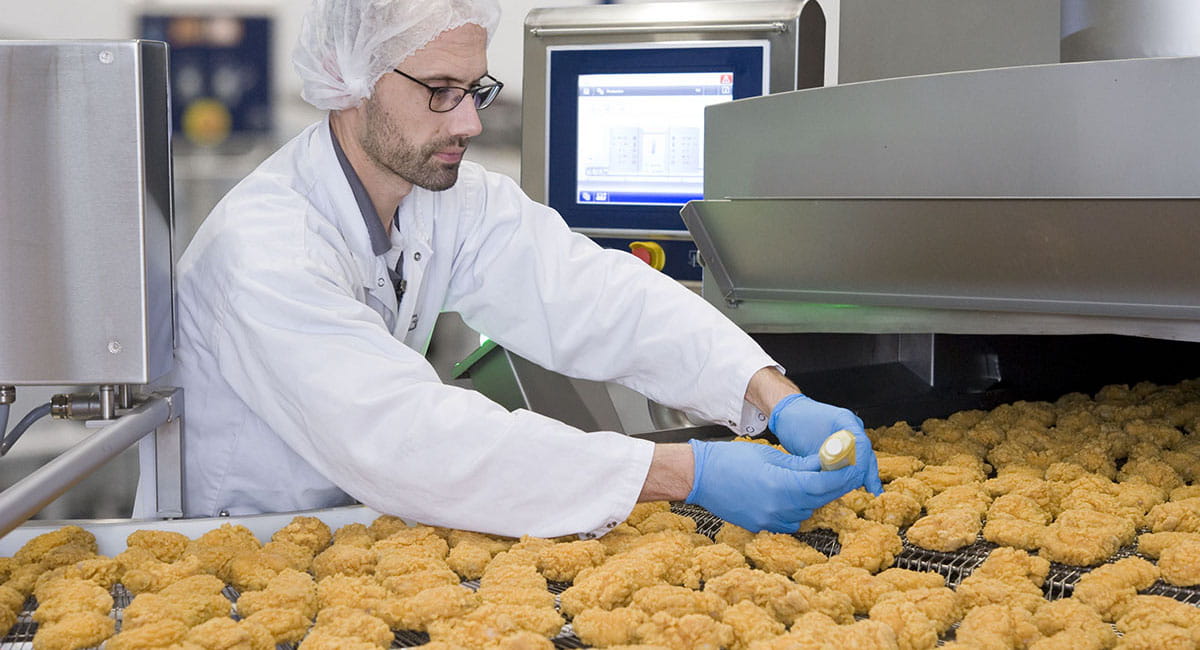

La ecuación del agua
En toda Europa, la sequía es una realidad recurrente que ya no se limita al sur. Si bien el agua influye cada vez más en dónde eligen ubicarse las industrias, su valor viene determinado por el contexto local. Existen numerosas vías tecnológicas para lograr la eficiencia hídrica en los procesos industriales, pero la ubicación, las necesidades energéticas y otros factores también son fundamentales.
