
Products
Showing 4 of 10

Beer Recovery Unit
GEA cross-flow filtration with robust ceramic membranes are used for the effective recovery of beer from tank bottoms. Modular plants are supplied on compact skids in three standard sizes with processing capacities of approximately 250 hl, 500 hl and 1000 hl per day depending on the dry solids content of the product.

CIP Recovery Unit
It is now possible to recover more than 90 percent of a spent caustic solution by using pH-resistant nanofiltration (NF) membranes. Benefits include reduced operating costs and better performance.

Condensate Polisher
Condensate from evaporation plants is used as boiler feed water, process, cooling, and rinsing water or is directly discharged into a drainage ditch. For this purpose, the condensate must be purified. Impurities in the condensate can be removed by membrane filtration, in the particular case by reverse osmosis, and high condensate qualities can be...

Custom-Designed Filtration Plants
GEA custom designs membrane filtration systems that best utilize the technologies of microfiltration, ultrafiltration, nanofiltration, or reverse osmosis for each customer's specific application.
Downloads

GEA Insights
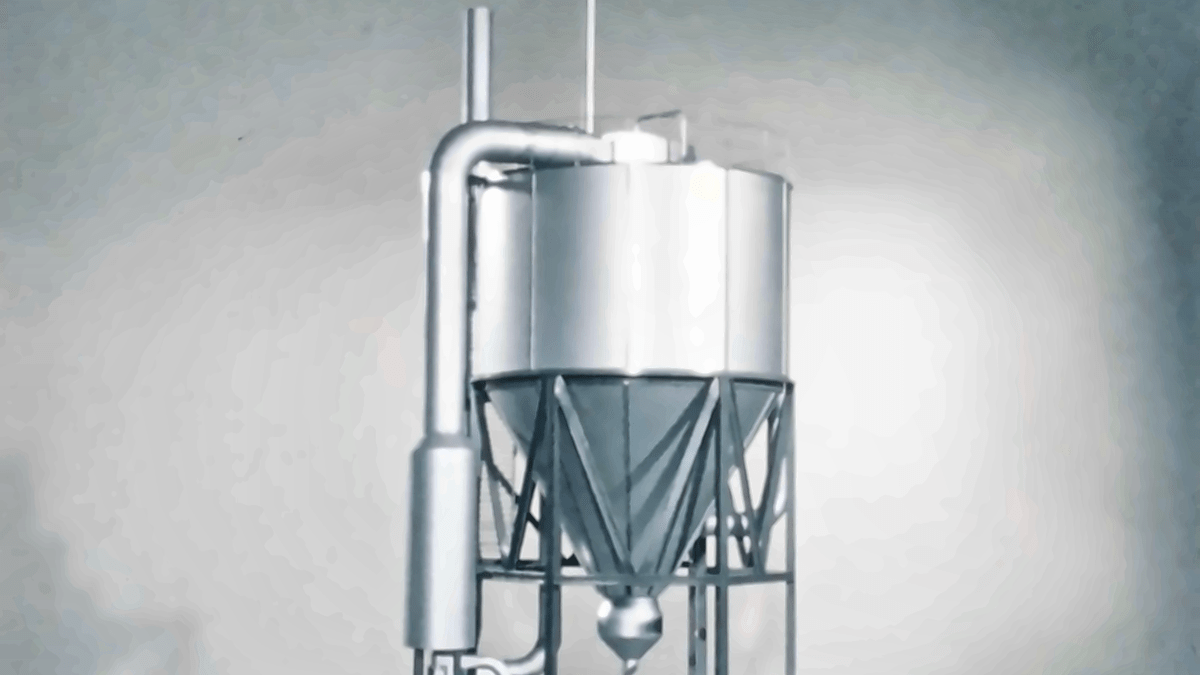
The breakthrough that changed spray drying
In 1976, NIRO engineers responded to a competitive challenge by rethinking what spray drying could do. Their idea became the multi-stage dryer MSD. Fifty years later, the same fundamental principle helps turn liquids into the powders used in essential nutrition products and important medicines around the world. Refined through decades of engineering expertise, customer insight and continuous development, MSD is a story of innovation with lasting impact.
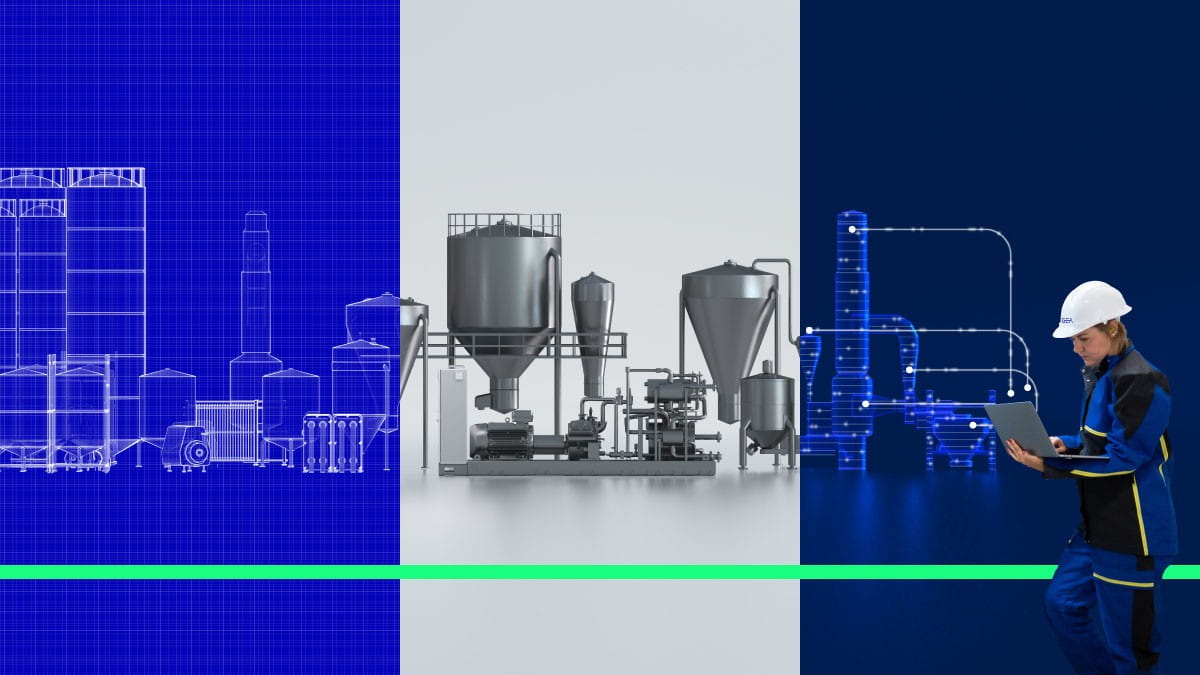
Beyond the machine: unlocking better plant performance
An efficient machine does not automatically make an efficient factory. Real improvement often starts by looking beyond individual equipment and understanding how processes, energy systems and operating decisions affect one another. It’s a holistic approach designed to uncover opportunities that might otherwise be missed.
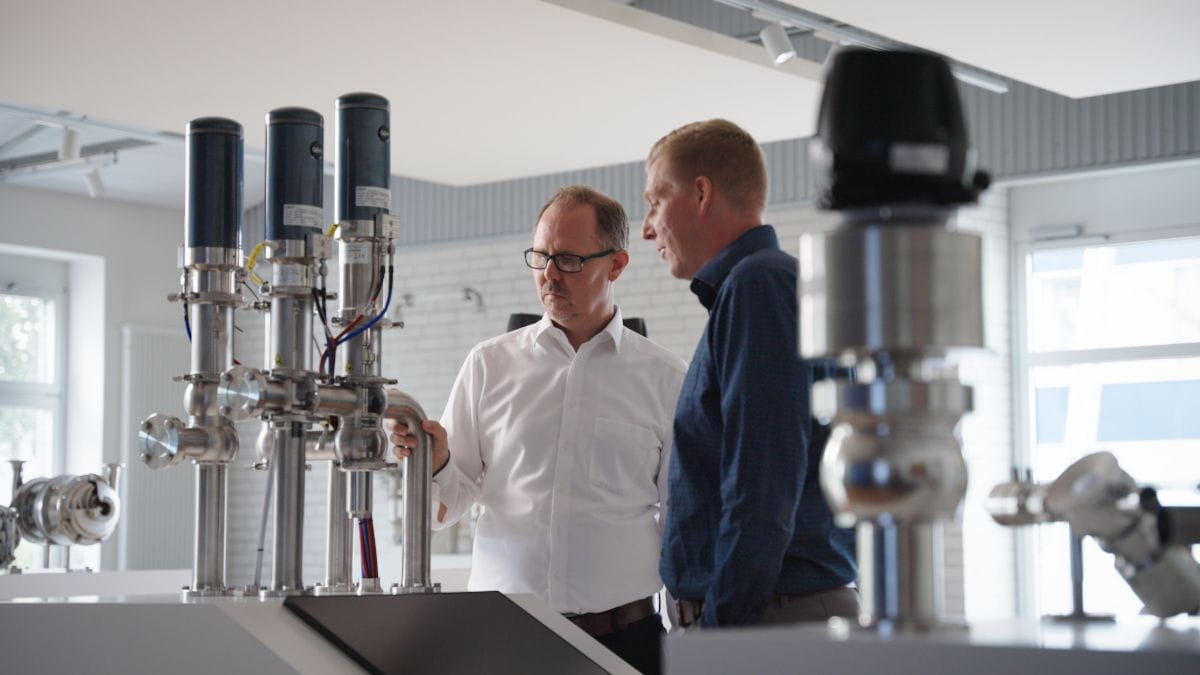
How a valve reshapes the way food and drinks are made
In food and beverage plants, valves are commonly operated using compressed air. GEA Hydract® Actuation Technology moves valves with water instead, in a closed, digitally controlled circuit. The result is a valve that can be held exactly in place and steered in fine-tuned steps. This results in lower energy use and greater control.

Plant-based proteins
