
Solution crystallization is the formation of solid crystals from a supersaturated solution, also referred to as “mass crystallization” since it is commonly used to process bulk products.
This is a common solid-liquid separation process of a very selective nature. It enables the production of highly pure crystalline products in the desired granulometry while further giving the opportunity of recycling purified solvents, the most common of them being water.
Solution crystallization is well-suited for most applications and especially for large capacities. The use of different crystallizer types and energy efficient configurations among them allow to reach a desired particle size.
There are three basic types of crystallizers for Solution Crystallization – Forced Circulation (FC), Draft Tube Baffle (DTB) and Fluidized Bed (Oslo)- and they can be used alone or combined for:
- Evaporative crystallization
- Vacuum cooling crystallization
- Surface cooling crystallization
- Reaction crystallization
The selection of the appropriate equipment for the process and the design of the crystallization operation is influenced by many product and process specific parameters.
Particular features:
- Process concepts ensuring the desired product purity at maximum product yield
- Different crystallizer types and arrangements to achieve desired particle size and shape
- Heat recovery and heat integration to minimize operational expenses and environmental footprint
- Continuous operation
- Energy-efficient plant concepts
Around the globe, Solution Crystallization plants process daily millions of tons of bulk products like sugar, salt and fertilizers. Depending on the type of crystallizer, the achievable particle size ranges from microns to millimeters.
GEA Solution Crystallization Plants can be found serving to diverse industrial processes that include but are not limited to:
- Agrochemicals, including potash and multi-nutrient fertilizers
- Table salt and inorganic salts
- Minerals and metals, including lithium, magnesium, nickel and zinc salts as well as alloying elements like copper, molybdenum, vanadium and tungsten
- Inorganic acids
- Food and food related chemicals
- Organic and bio-based chemicals
- Landfill leachates concentration plants
- Industrial wastewater treatment up to zero liquid discharge (ZLD) systems

GEA meVap® Crystallization
By electrifying steam generation, GEA meVap® Crystallization provides a technical solution for reducing thermal energy requirements in industrial operations.
GEA meVap® Crystallization supports industrial customers in:
- Reducing energy consumption and lowering dependency on fossil fuels
- Reusing process heat for internal steam demands
Heating options for thermal separation plants
Today, almost all new crystallization plants are equipped with mechanical vapor recompression (MVR). Traditionally, crystallizers are heated using live steam. However, in addition to MVR, waste heat can also serve as an energy source, provided it supplies the energy required for the thermal separation process. Learn more about the available heating options for thermal separation plants.
Products
Showing 4 of 6

COMPACRYST®
Process and mechanical innovation. Compact and Monoblock Forced Circulation Crystallizer.

Crystallization Test Centers
Available for product and feasibility trials with real samples and under real parameters. Either in GEA centers of excellence for crystallization or onsite thanks to our mobile units.

Draft Tube Baffle Crystallizers
Limited attrition and efficient fines destruction – a design to produce coarse crystals with a narrow size distribution.

Forced Circulation Crystallizers
Simple in design and robust in operation. The working horse for industrial solution crystallization.
Downloads

GEA Insights
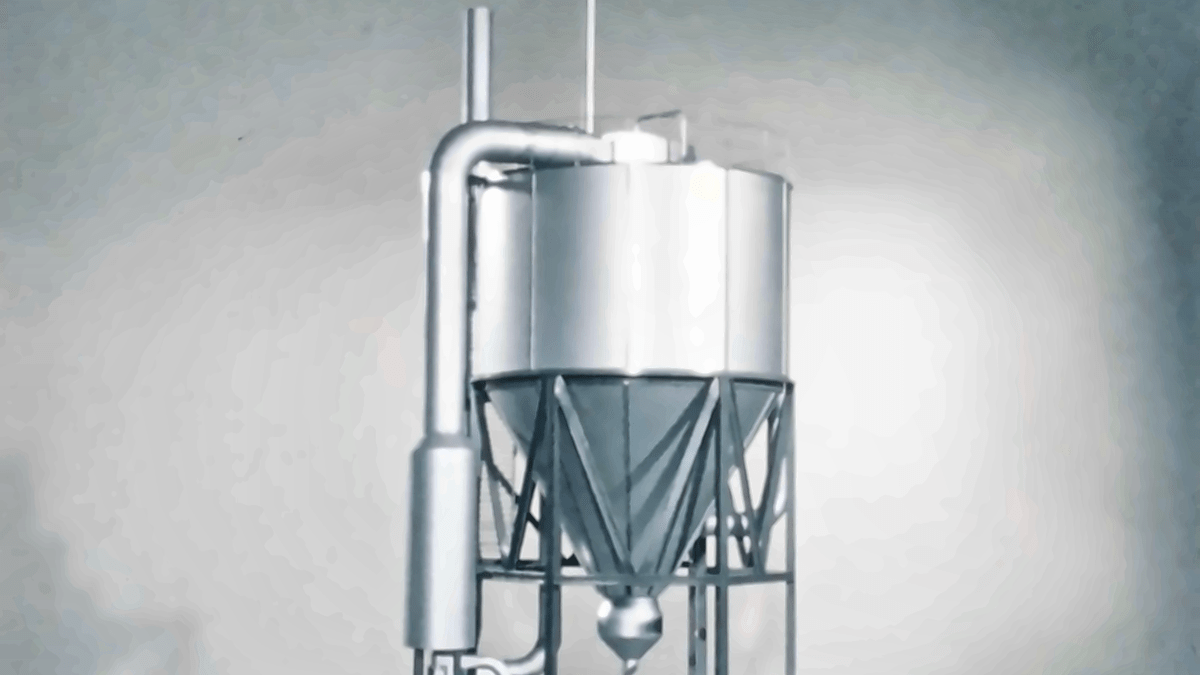
The breakthrough that changed spray drying
In 1976, NIRO engineers responded to a competitive challenge by rethinking what spray drying could do. Their idea became the multi-stage dryer MSD. Fifty years later, the same fundamental principle helps turn liquids into the powders used in essential nutrition products and important medicines around the world. Refined through decades of engineering expertise, customer insight and continuous development, MSD is a story of innovation with lasting impact.
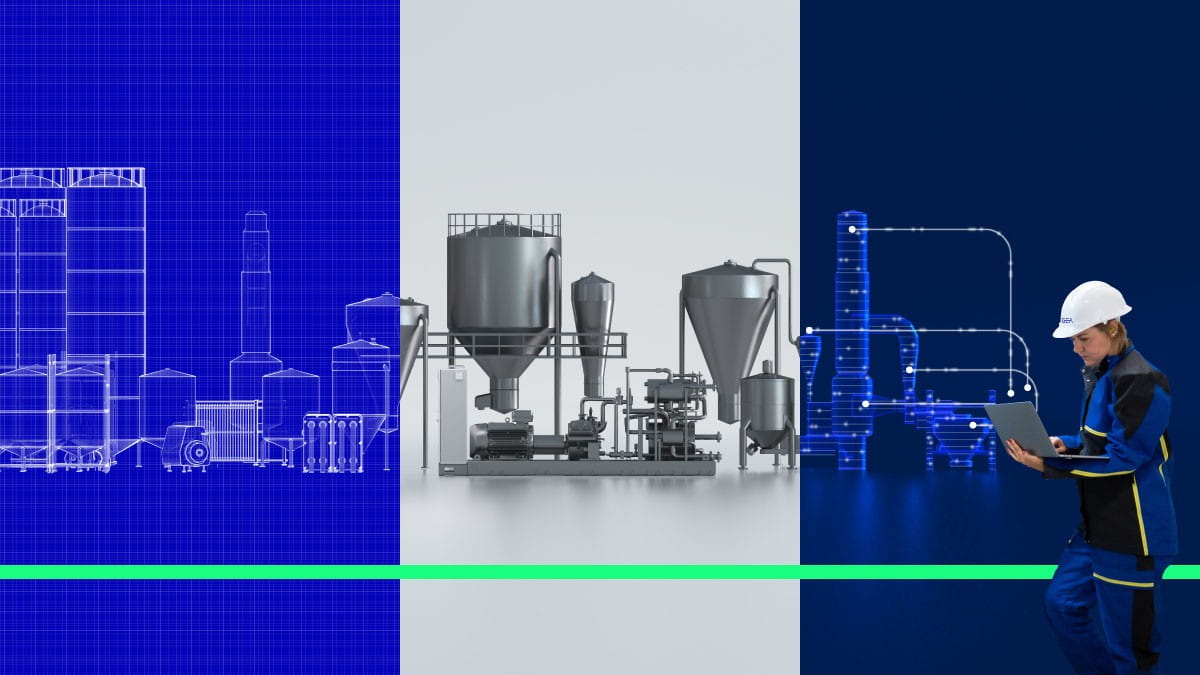
Beyond the machine: unlocking better plant performance
An efficient machine does not automatically make an efficient factory. Real improvement often starts by looking beyond individual equipment and understanding how processes, energy systems and operating decisions affect one another. It’s a holistic approach designed to uncover opportunities that might otherwise be missed.
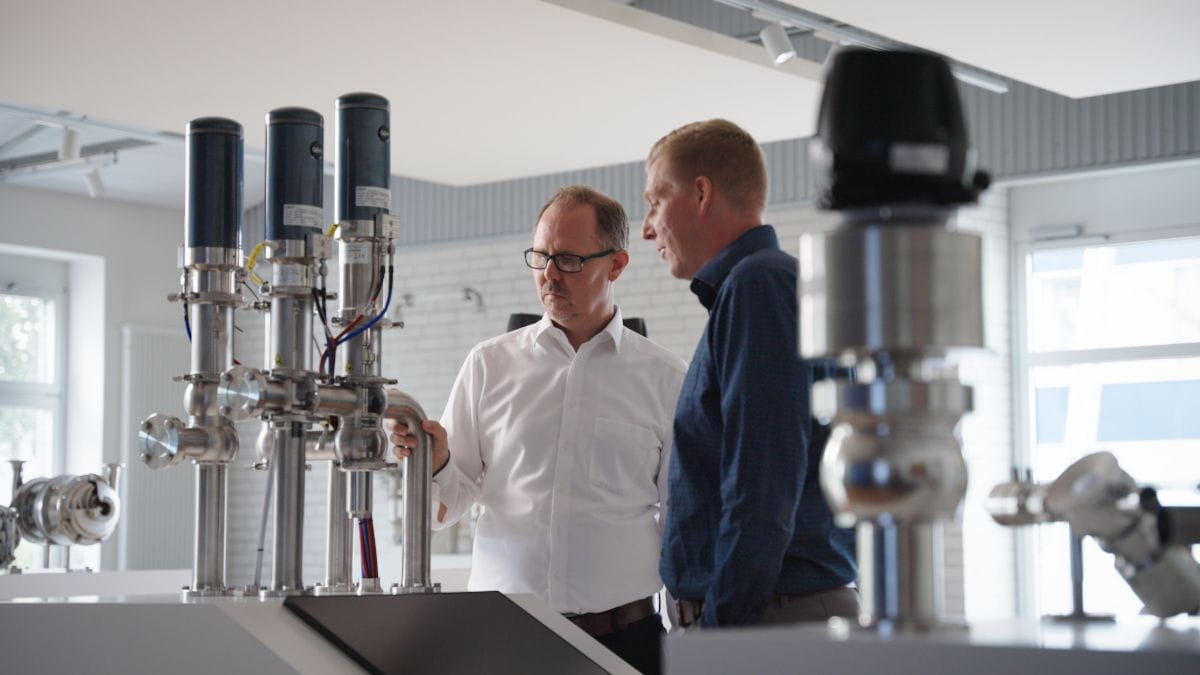
How a valve reshapes the way food and drinks are made
In food and beverage plants, valves are commonly operated using compressed air. GEA Hydract® Actuation Technology moves valves with water instead, in a closed, digitally controlled circuit. The result is a valve that can be held exactly in place and steered in fine-tuned steps. This results in lower energy use and greater control.
