

Установка для получения стерильной воды GEA предназначена для обеспечения непрерывной подачи стерильной воды на месте для асептических гомогенизаторов, используемых в технологических процессах UHT. Эта компактная установка типа «plug-and-play», подходящая как для прямой, так и для непрямой обработки методом UHT, обеспечивает подачу стерелизированной воды в контролируемых количествах для промывки поршней и седел клапанов в асептических гомогенизаторах, что позволяет соблюдать требования к асептической обработке и способствует поддержанию гигиенических условий эксплуатации.
Почему стерильная вода имеет такое большое значение
Стерильная вода является важным барьером, предотвращающим попадание бактерий и спор в детали асептических гомогенизаторов, что впоследствии может привести к загрязнению продукта. Стерильная вода защищает рабочие поверхности таких подвижных компонентов, как поршни и гомогенизирующие клапаны, и обеспечивает стабильность и гигиеничность технологического процесса. Установка по производству стерильной воды GEA обеспечивает непрерывную подачу стерильной воды с использованием сертифицированного процесса стерилизации, а также точного регулирования и надежного контроля и регулирования температуры, противодавления и расхода.
Высокоэффективная технология регенеративного нагревания
Установка для регенерации стерильной воды использует технологию теплообмена в сочетании с мягкой водой, что позволяет значительно снизить энергопотребление.
По сравнению с традиционными установками охлаждения конденсата установка регенеративного производства стерильной воды обладает следующими преимуществами:
- Снижение энергопотребления на 90%
- Снижение потребления воды на 43%
- Сокращение выбросов CO₂ примерно от 130 до 141 метрической тонны в год
- Минимизация тепловых потерь из-за теплового излучения
- Снижение механического износа благодаря стабильной рабочей температуре
Все это приводит к снижению эксплуатационных расходов, увеличению срока службы оборудования и повышению стабильности технологического процесса.

Основные преимущества установки для производства стерильной воды GEA:
- Производство стерильной воды на месте для обеспечения полной технологической независимости
- Максимальная асептическая безопасность за счет контроля температуры, противодавления и расхода
- Сниженные затраты на техническое обслуживание
- Полностью предварительно собранная установка типа «plug-and-play» на раме, включая шкаф управления
- Малый срок окупаемости — от 1 года до 3 лет
- Идеально подходит как для прямой, так и для непрямой ультрапастеризации
Типичные области применения установки для производства стерильной воды GEA:
Установка для производства стерильной воды GEA предназначена для использования в качестве стерильного барьера в следующих ситуациях:
- Асептические гомогенизаторы
- Промывка седел клапанов
- Промывка механических уплотнений
- Линии асептической ультрапастеризации
Она широко применяется на предприятиях по производству молочных продуктов, напитков и продуктов питания растительного происхождения.
Разработано с учетом требований к асептической обработке
Установка для подготовки стерильной воды предназначена для обеспечения асептической обработки путем непрерывной подачи стерильной воды в асептические гомогенизаторы. Система подаёт строго дозированные объёмы воды для промывки поршней и седел клапанов, что обеспечивает соблюдение гигиенических условий эксплуатации и целостность технологического процесса на протяжении всего производственного цикла.
Данное решение может помочь производителям:
- Обеспечение соблюдения требований к асептической обработке
- Включить подачу стерильной воды в технологический процесс работы гомогенизатора
- Обеспечивать контролируемое промывание поршней и седл клапанов
- Обеспечение надежной работы в условиях UHT-обработки

Отмечено знаком «Add Better»
Установка для производства стерильной воды GEA была удостоена знака GEA «Add Better» за свой доказанный вклад в сокращение потребления ресурсов при асептическом производстве.
Благодаря применению технологии регенеративного нагревания система регенерирует и повторно использует тепловую энергию в рамках технологического процесса, что позволяет значительно сократить расход ресурсов, необходимых для производства стерильной воды.
Для подтверждения этих преимуществ система прошла специальную оценку в соответствии со стандартами ISO и была сертифицирована независимым сертификационным органом TÜV Rheinland.
Результаты показывают, что по сравнению с традиционными станциями охлаждения конденсата регенеративная установка для производства стерильной воды позволяет снизить энергопотребление на 90%, сократить расход воды на 43% и уменьшить выбросы CO₂ примерно от 130 до 141 метрической тонны в год.
Присвоение знака «Add Better» подтверждает очевидные экологические преимущества данного оборудования при одновременном поддержании высочайших стандартов асептической безопасности и обеспечении надежности технологического процесса.
Downloads
Смежные продукты

Асептический танк GEA
Даем вам уверенность в качестве обработки в стерильных условиях на каждом этапе.

GEA VARI-DOS-ASEPT
Точное асептическое дозирование для молочной, пищевой промышленности и производства напитков.

Мобильное асептическое решение GEA
Новое инновационное решение в области асептической транспортировки жидкостей
Аналитика GEA
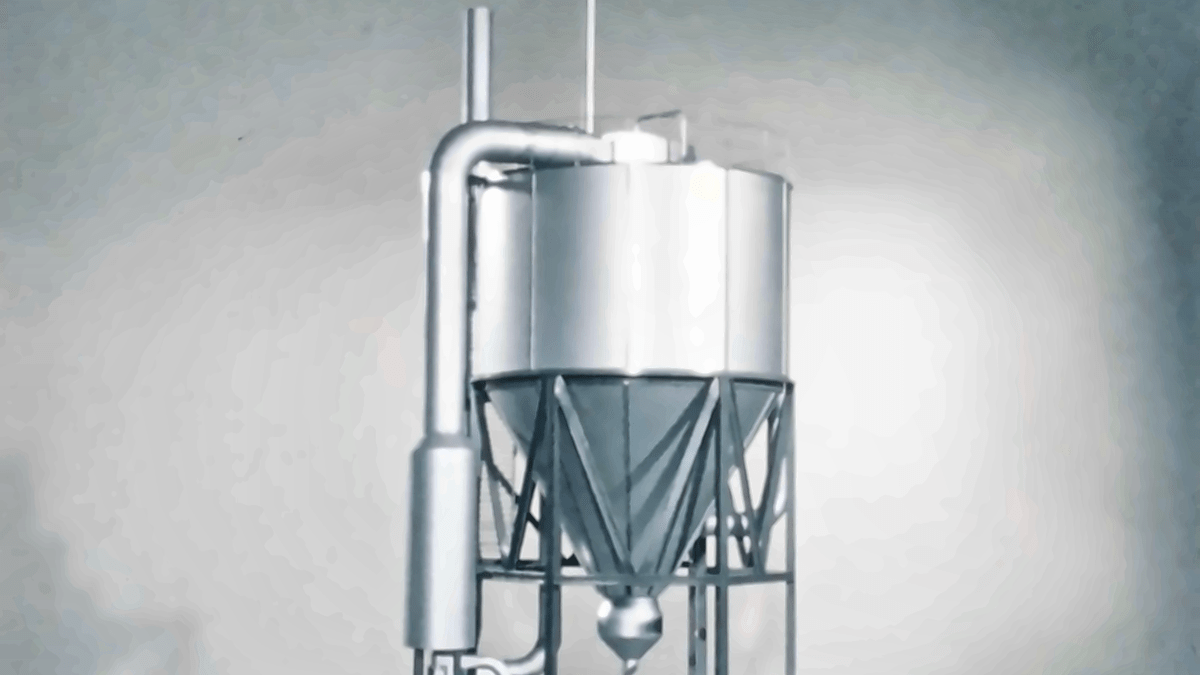
The breakthrough that changed spray drying
In 1976, NIRO engineers responded to a competitive challenge by rethinking what spray drying could do. Their idea became the multi-stage dryer MSD. Fifty years later, the same fundamental principle helps turn liquids into the powders used in essential nutrition products and important medicines around the world. Refined through decades of engineering expertise, customer insight and continuous development, MSD is a story of innovation with lasting impact.
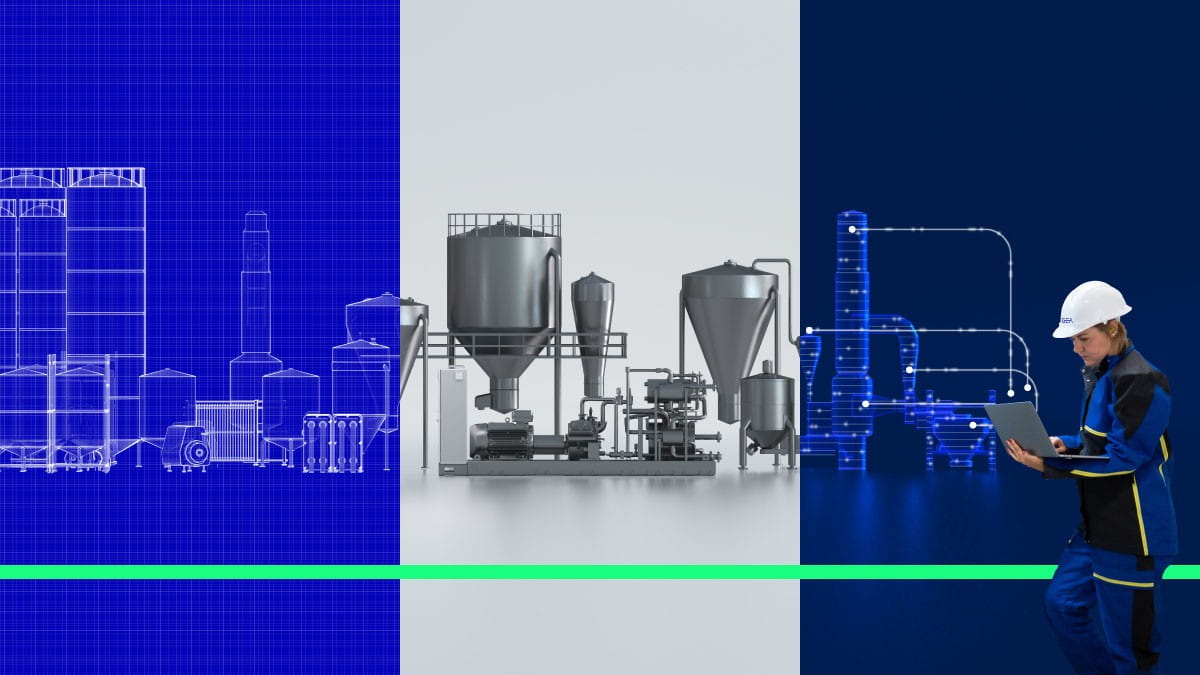
Не только оборудование: повышение эффективности работы предприятия
Эффективное оборудование не является автоматической гарантией эффективности всего предприятия. Реальные улучшения часто начинаются с того, что мы перестаем ограничиваться рассмотрением отдельных единиц оборудования и начинаем вникать в то, как технологические процессы, энергетические системы и эксплуатационные решения влияют друг на друга. Этот комплексный подход позволяет выявить возможности, которые в противном случае могли бы остаться незамеченными.
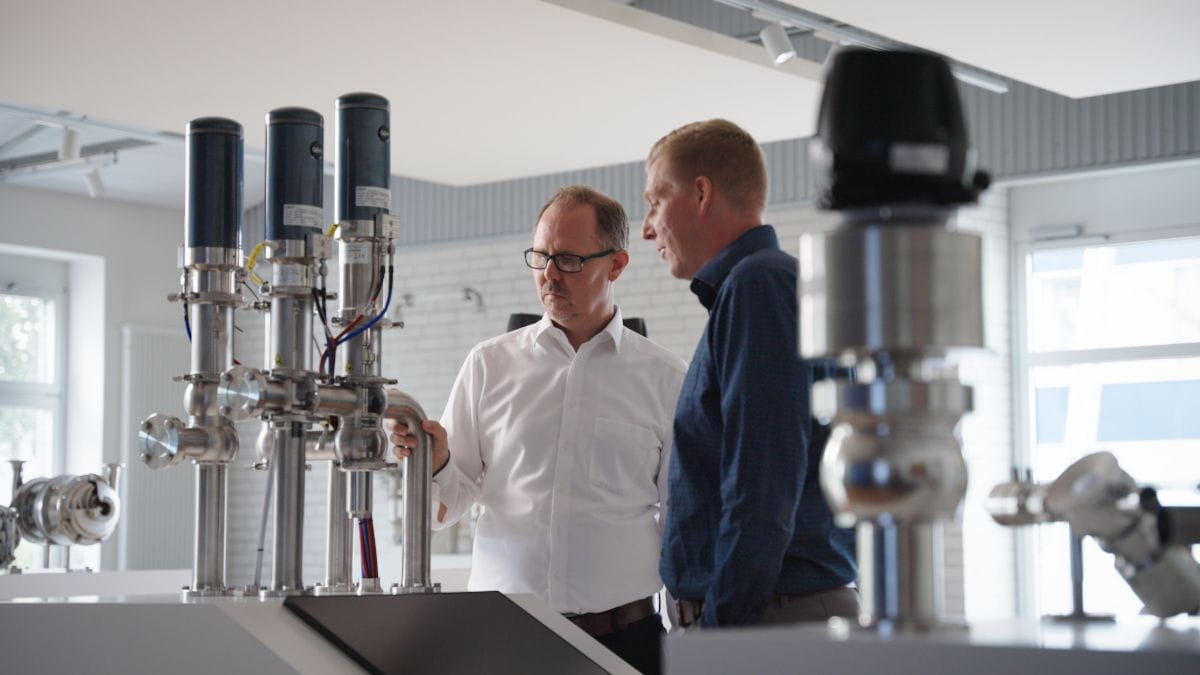
Как клапан меняет подход к производству продуктов питания и напитков
На предприятиях по производству продуктов питания и напитков клапаны, как правило, приводятся в действие с помощью сжатого воздуха. GEA Hydract® Actuation Technology обеспечивает привод клапанов с помощью воды в замкнутом контуре с цифровым управлением. Результатом стал клапан, который можно точно зафиксировать в нужном положении и регулировать с высокой точностью. Это обеспечивает снижение энергопотребления и повышение уровня контроля.
