

Combining efficiency with resource savings
Imagine adding value to your utilities savings and contributing to a more sustainable world. Only by choosing a GEA homogenizer.
GEA AirFlow (D&G) is the oil-to-air cooling unit for homogenizers that allows for tangibly reducing the consumption of water for cooling oil. This water‑saving device dissipates heat from the transmission body or drive end (AirFlow D) and gearbox (AirFlow G) using air instead of traditional water‑based methods.
Key benefits
- Efficient oil-to-air cooling unit
- Proved water savings
- Short payback time
Water savings
| Without AirFlow [l/h] | With AirFlow [l/h] | |
|---|---|---|
| Water used for cooling drive end oil | 200 | 0-50* |
| Water used for cooling gearbox oil | 800 | 0-50* |
Resource-efficient configuration for homogenizers
GEA AirFlow is part of the resource-efficient configuration for homogenizers. Learn more >>
*Actual water savings depend on the homogenizer model and specific application.
Смежные продукты

Гомогенизаторы серии Ariete
Системы серии Ariete – это современные технологии для мощных, надежных гомогенизаторов высокого давления и индивидуальных решений.

ReFlow Water-Saving Unit for Plungers
GEA ReFlow recirculates up to 95% of the plant process water used by high-pressure homogenizers to cool and lubricate plungers, thus making the operation of GEA Homogenizers more resource-efficient.

PureFlow Oil Purification Unit
GEA PureFlow is the bypass oil-filtering unit for homogenizers that guarantees continuous oil regeneration by removing particles, water and corrosive gases.
Аналитика GEA
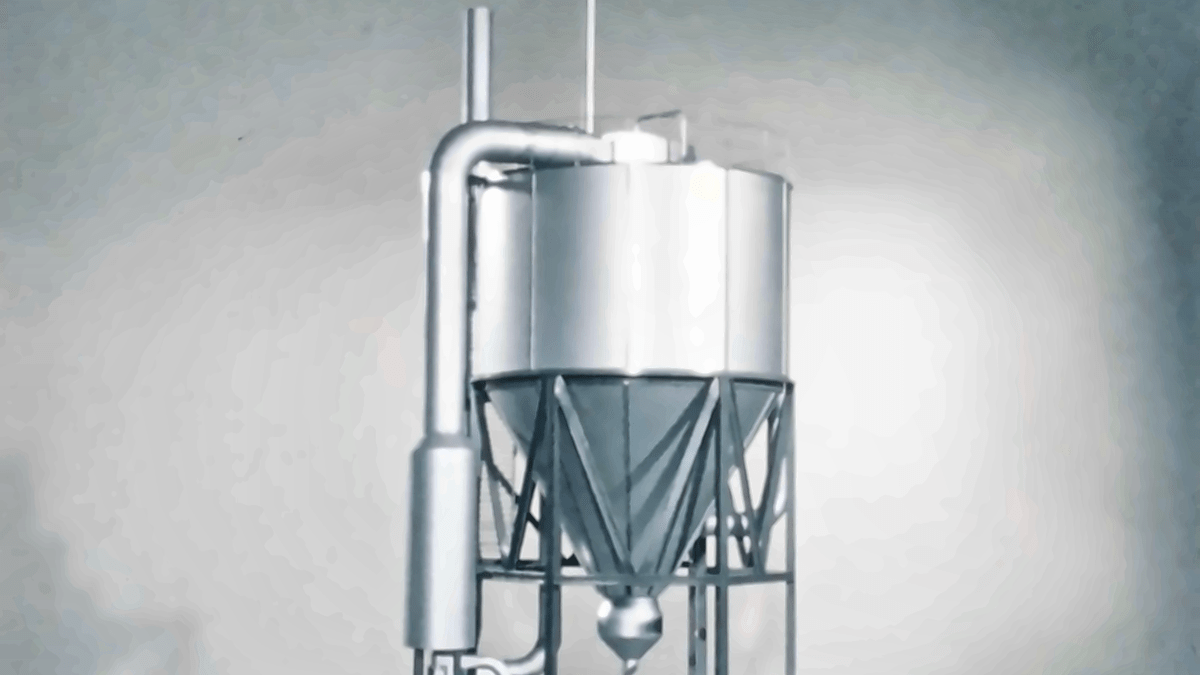
The breakthrough that changed spray drying
In 1976, NIRO engineers responded to a competitive challenge by rethinking what spray drying could do. Their idea became the multi-stage dryer MSD. Fifty years later, the same fundamental principle helps turn liquids into the powders used in essential nutrition products and important medicines around the world. Refined through decades of engineering expertise, customer insight and continuous development, MSD is a story of innovation with lasting impact.
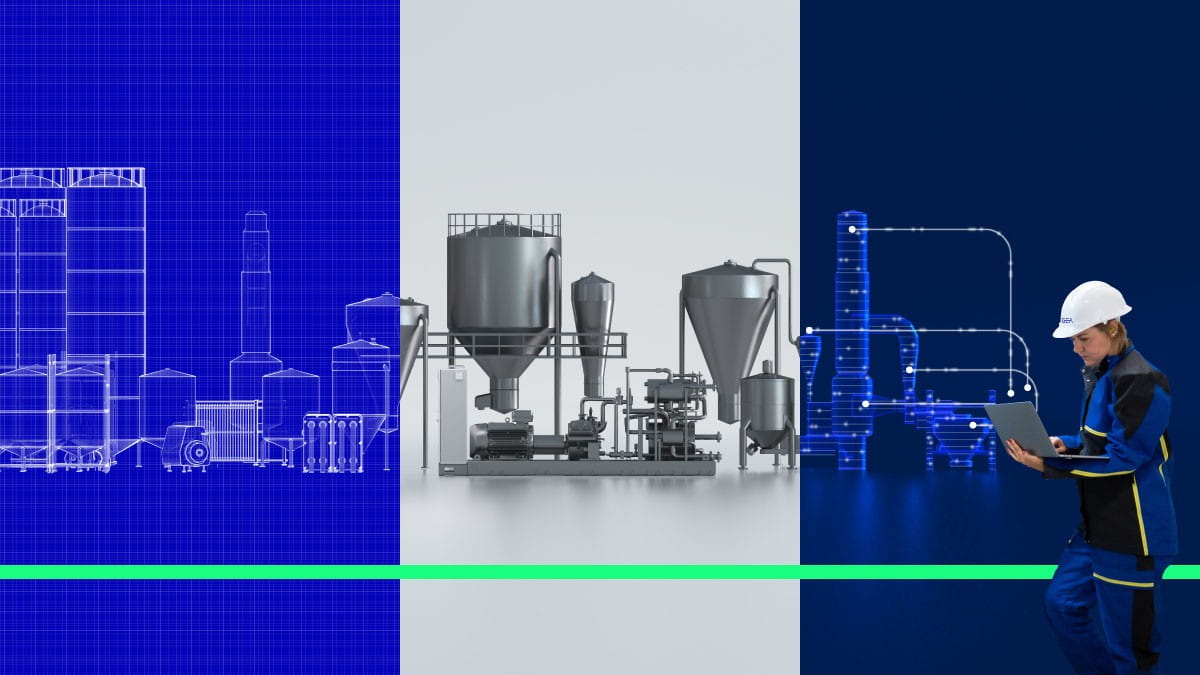
Не только оборудование: повышение эффективности работы предприятия
Эффективное оборудование не является автоматической гарантией эффективности всего предприятия. Реальные улучшения часто начинаются с того, что мы перестаем ограничиваться рассмотрением отдельных единиц оборудования и начинаем вникать в то, как технологические процессы, энергетические системы и эксплуатационные решения влияют друг на друга. Этот комплексный подход позволяет выявить возможности, которые в противном случае могли бы остаться незамеченными.
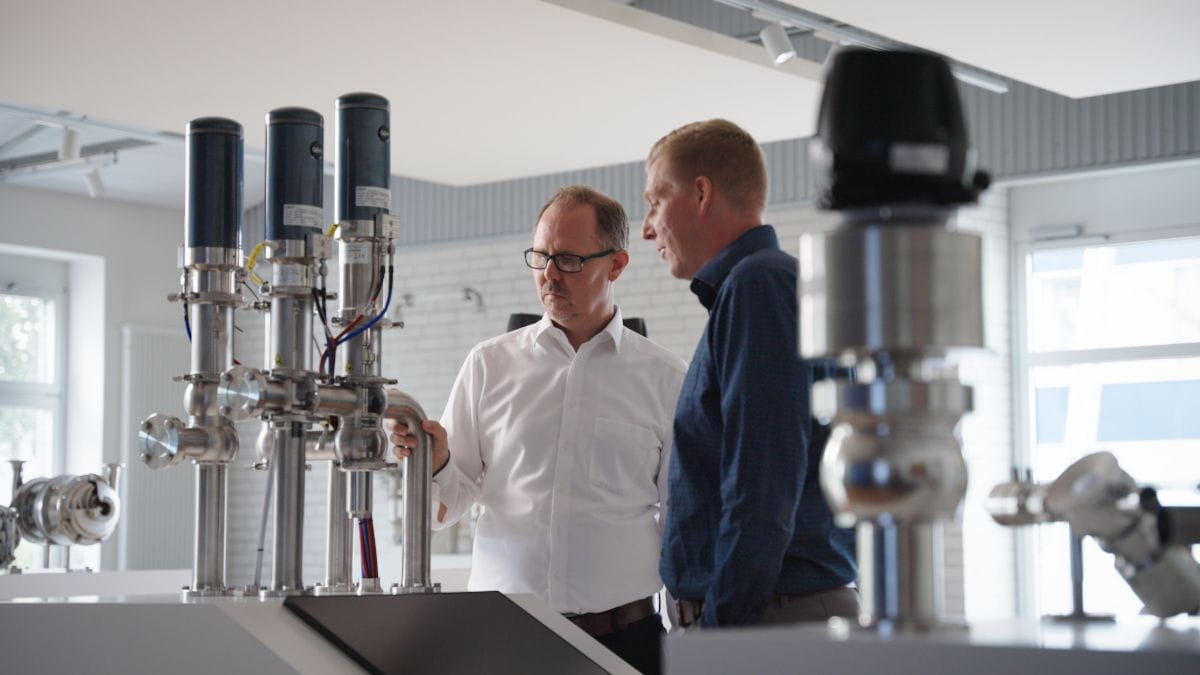
Как клапан меняет подход к производству продуктов питания и напитков
На предприятиях по производству продуктов питания и напитков клапаны, как правило, приводятся в действие с помощью сжатого воздуха. GEA Hydract® Actuation Technology обеспечивает привод клапанов с помощью воды в замкнутом контуре с цифровым управлением. Результатом стал клапан, который можно точно зафиксировать в нужном положении и регулировать с высокой точностью. Это обеспечивает снижение энергопотребления и повышение уровня контроля.
