
In comparison to other gas/liquid contactors (e.g. spray or packed columns), Bubble Columns feature a high liquid to gas volume ratio. This is beneficial when conducting rather slow reactions in the liquid phase as large reaction volumes can be realized.
Due to the high liquid inventory of the system the temperature of the reaction can be controlled very effectively, which is an advantage when temperature sensitive substances are to be produced.
Bubble Columns are also an ideal absorption system when dry spots must be avoided in the contactor (e.g. when crystallization can occur), which can cause blockages in conventional mass transfer equipment. GEA has developed a special non-blocking gas sparger design in this respect.
Furthermore, Bubble Column Reactors offer other benefits such as a simple operation without any moving parts; excellent mixing, high heat and mass transfer rates; low catalyst attrition rates and the ability to accommodate a wide range of residence time requirements.
Key features
- No internals needed
- Higher liquid content in the system compared to e.g. spray or packed columns
- Gas phase = disperse phase
- High enthalpy inventory generates a robust dynamic behavior
- Various gas sparger designs possible
- Static equipment, meaning low maintenance effort
Working Principle
Working Principle of Bubble Column
Bubble Columns are gas/liquid contactors in which the gas phase is the disperse phase, meaning the gas phase is distributed into the liquid at the bottom of the column by an appropriate distributor and then moves upwards in the form of bubbles causing an intense intermixing of the gas and the liquid phase in the system.
In a Bubble Column the gas is sparged into the liquid in the form of bubbles without mechanical agitation. The configuration of a gas sparger is important since it determines the properties (e.g. size) of bubbles, which in turn affect gas holdup values and other parameters related to Bubble Columns.
Bubble Columns can be used for either absorption of gases into liquids, conducting chemical reactions in the liquid phase with or without an additional catalyst, simply mixing two or more phases or when liquid reactant products are to be stripped out of a liquid phase.

Downloads
Смежные продукты

Spray Drying Evaporation
GEA's spray drying evaporation is a simple process that requires limited attention from the operator while maintaining high reliability. It can be easily integrated with either existing or new WFGD.

Converter gas recovery (LT process)
The conversion of hot metal into steel produces CO-laden gases of high caloric value. The recovery of these gases means to save a considerable amount of energy. The LT-Steel Gas Process has established worldwide.

EP-абсорбер GEA
Gas cleaning for FCC units is a core area of expertise for GEA in the refinery industry. By combining process engineering know-how with advanced gas treatment technologies, GEA helps refiners manage emissions, optimize process performance and meet site-specific operational requirements.

Системы отделения аэрозолей
Непосредственно перед соплом Вентури соответствующая скрубберная жидкость вводится специальными форсунками и равномерно распределяется по всему поперечному сечению.
Аналитика GEA
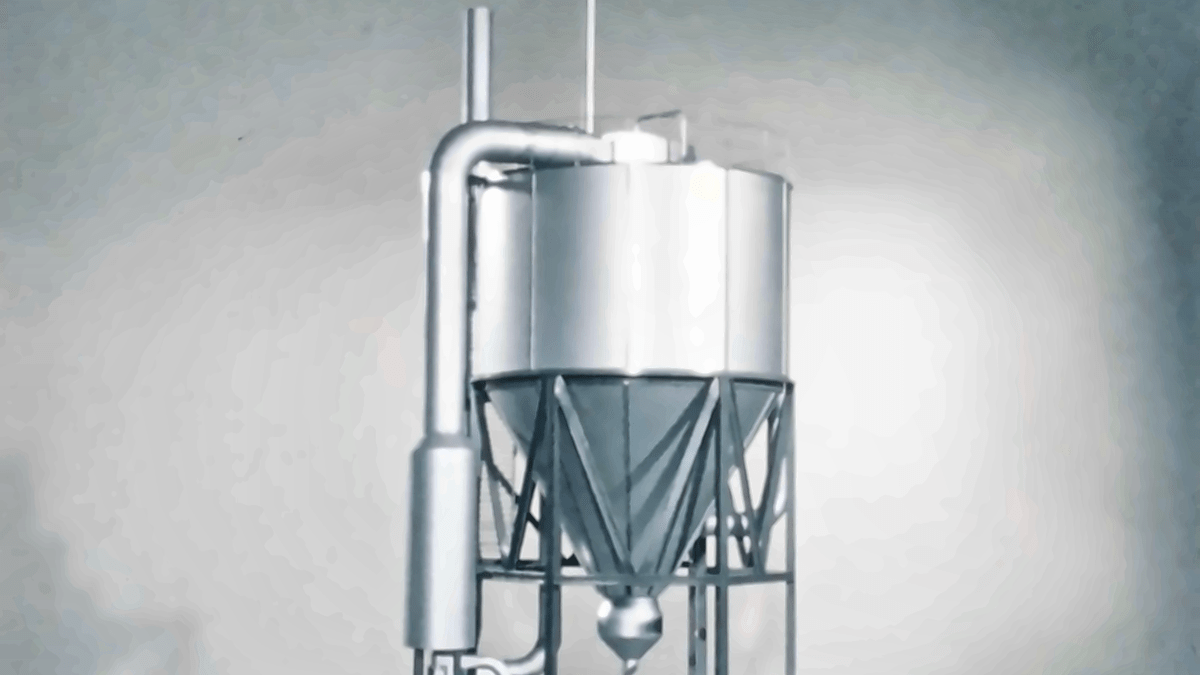
The breakthrough that changed spray drying
In 1976, NIRO engineers responded to a competitive challenge by rethinking what spray drying could do. Their idea became the multi-stage dryer MSD. Fifty years later, the same fundamental principle helps turn liquids into the powders used in essential nutrition products and important medicines around the world. Refined through decades of engineering expertise, customer insight and continuous development, MSD is a story of innovation with lasting impact.
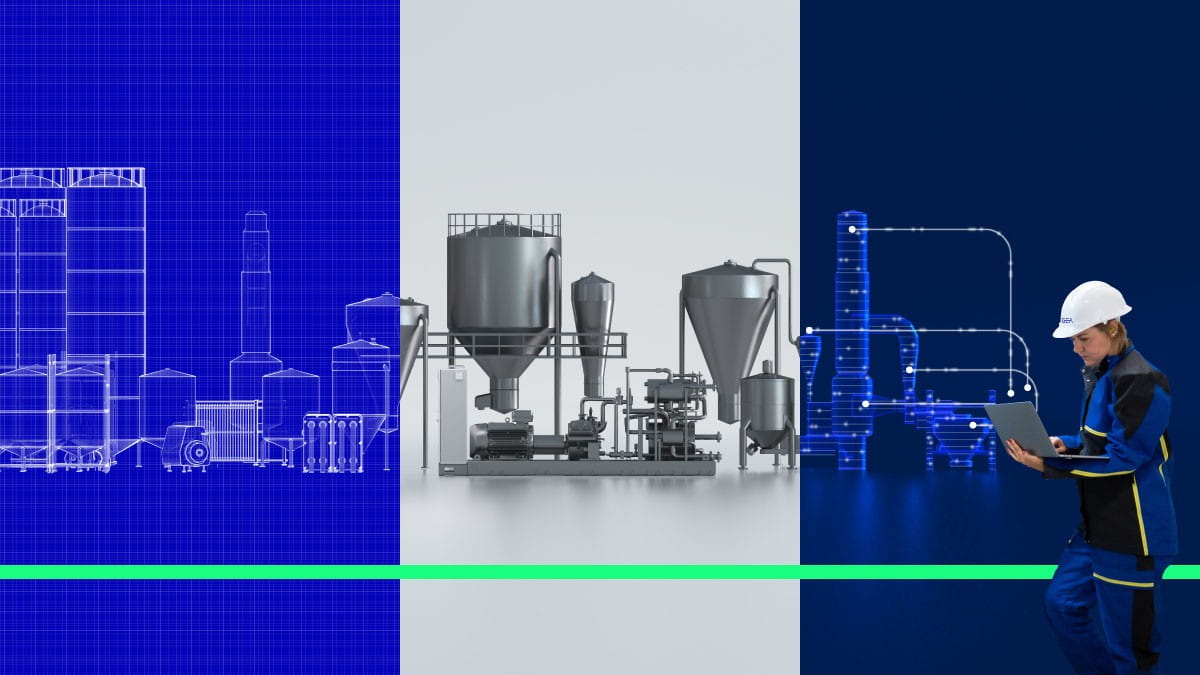
Не только оборудование: повышение эффективности работы предприятия
Эффективное оборудование не является автоматической гарантией эффективности всего предприятия. Реальные улучшения часто начинаются с того, что мы перестаем ограничиваться рассмотрением отдельных единиц оборудования и начинаем вникать в то, как технологические процессы, энергетические системы и эксплуатационные решения влияют друг на друга. Этот комплексный подход позволяет выявить возможности, которые в противном случае могли бы остаться незамеченными.
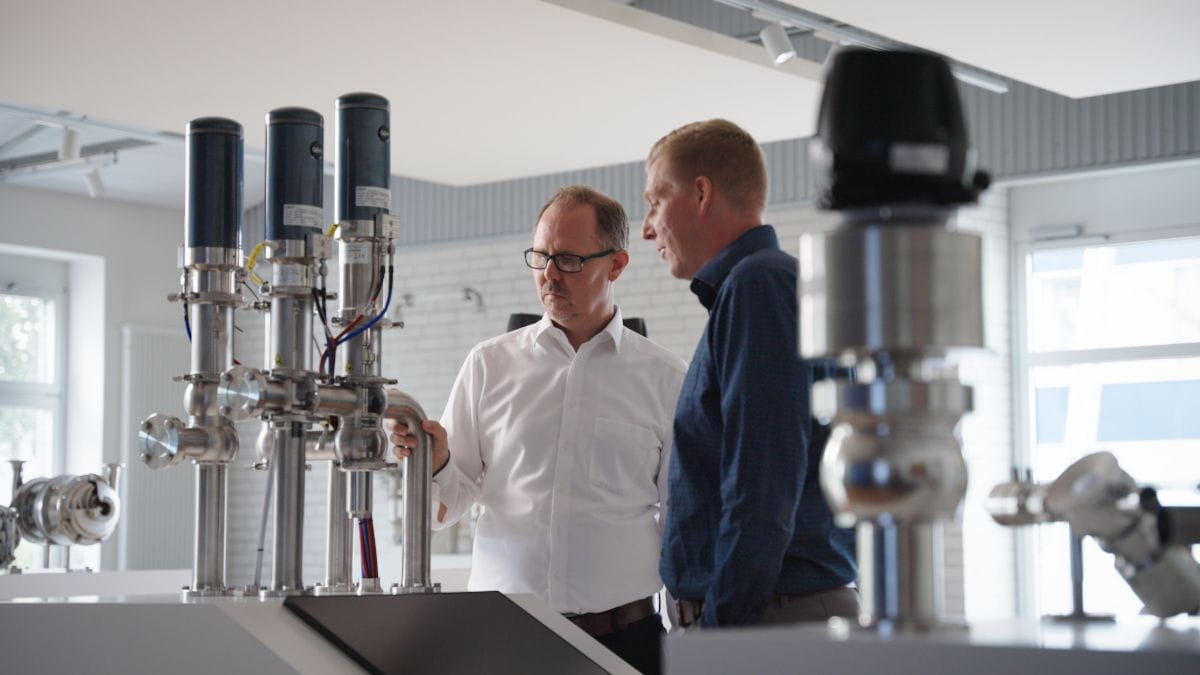
Как клапан меняет подход к производству продуктов питания и напитков
На предприятиях по производству продуктов питания и напитков клапаны, как правило, приводятся в действие с помощью сжатого воздуха. GEA Hydract® Actuation Technology обеспечивает привод клапанов с помощью воды в замкнутом контуре с цифровым управлением. Результатом стал клапан, который можно точно зафиксировать в нужном положении и регулировать с высокой точностью. Это обеспечивает снижение энергопотребления и повышение уровня контроля.
