

The calomel process for mercury removal
Widely used in non-ferrous metal production and metallurgical applications, the process converts mercury vapor into stable, solid calomel (mercurous chloride), enabling both environmental protection and potential mercury recovery.

Calomel tower process
The process is based on the reaction of elemental mercury vapor with a circulating solution of mercuric chloride (HgCl₂), converting the mercury into insoluble mercurous chloride, commonly known as calomel.
Mercury-containing process gas is introduced into a packed absorption Calomel tower, where it comes into contact with the recirculating mercuric chloride solution. Within the Calomel tower, mercury reacts with the absorbent and forms mercurous chloride, which precipitates from the liquid phase as a stable solid.
A side stream of the circulating solution is continuously directed to a primary settler, where the calomel solids are separated by gravity. The clarified liquid is returned to the absorption system, while the concentrated solids are transferred to a secondary settler for further thickening. If required, zinc dust can be added to enhance mercury precipitation and maximize recovery efficiency.
The concentrated calomel solids are then discharged for storage, recovery, sale, or further processing. Through this continuous scrubbing and separation process, mercury is effectively removed from the gas stream, enabling reliable compliance with stringent environmental regulations while supporting the recovery of valuable mercury-containing by-products.
Key benefits
- High-efficiency removal of elemental mercury from process gases
- Proven technology for non-ferrous metal and metallurgical industries
- Supports compliance with stringent environmental regulations
- Enables collection and recovery of mercury-containing by-products
- Reliable continuous operation with robust process design
- Can be integrated into existing gas cleaning systems
Downloads

Аналитика GEA
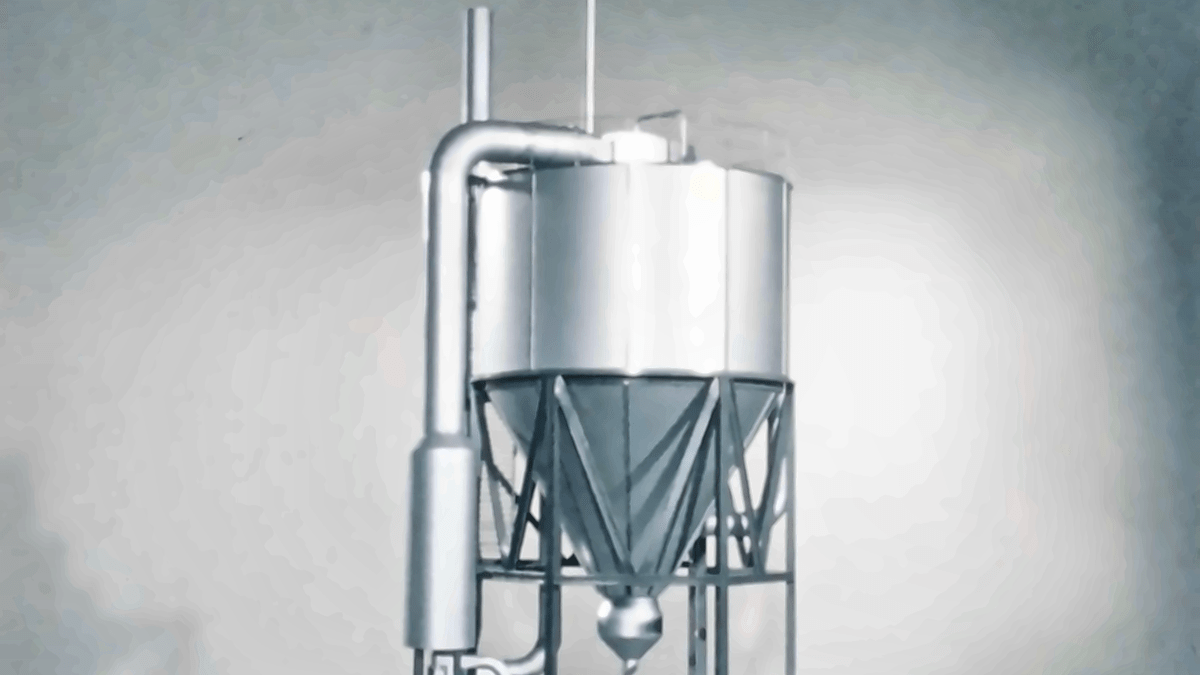
Прорыв, изменивший технологию сушки распылением
В 1976 году инженеры компании NIRO, приняв вызов со стороны конкурентов, переосмыслили возможности сушки распылением. В итоге их идея воплотилась в многоступенчатой сушилке MSD. Спустя пятьдесят лет тот же самый основополагающий принцип помогает превращать жидкости в порошки, которые используются для производства продуктов питания первой необходимости и важнейших лекарственных препаратов по всему миру. Опыт компании MSD формировался десятилетиями благодаря инженерным знаниям, глубокому пониманию потребностей клиентов и постоянному развитию. Это история инноваций, оказавших долгосрочное влияние.
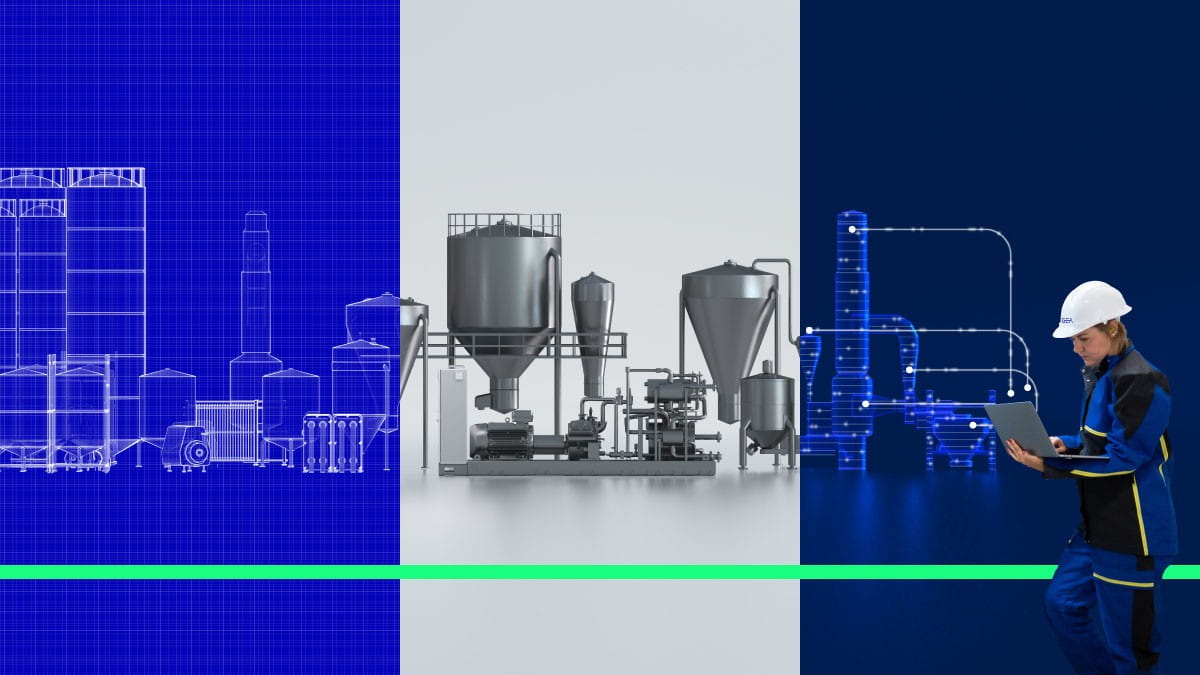
Не только оборудование: повышение эффективности работы предприятия
Эффективное оборудование не является автоматической гарантией эффективности всего предприятия. Реальные улучшения часто начинаются с того, что мы перестаем ограничиваться рассмотрением отдельных единиц оборудования и начинаем вникать в то, как технологические процессы, энергетические системы и эксплуатационные решения влияют друг на друга. Этот комплексный подход позволяет выявить возможности, которые в противном случае могли бы остаться незамеченными.
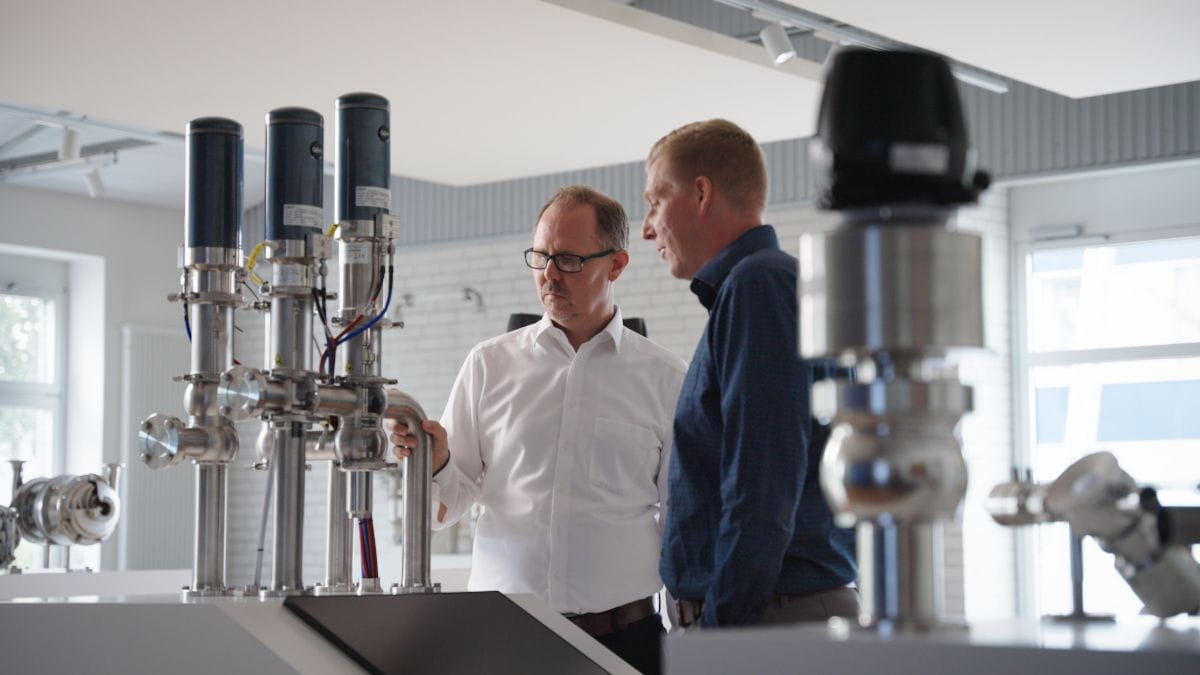
Как клапан меняет подход к производству продуктов питания и напитков
На предприятиях по производству продуктов питания и напитков клапаны, как правило, приводятся в действие с помощью сжатого воздуха. GEA Hydract® Actuation Technology обеспечивает привод клапанов с помощью воды в замкнутом контуре с цифровым управлением. Результатом стал клапан, который можно точно зафиксировать в нужном положении и регулировать с высокой точностью. Это обеспечивает снижение энергопотребления и повышение уровня контроля.
