
Selective Catalytic Reduction (SCR) is a way of converting Nitrogen Oxides (NOx) with the aid of a catalyst into nitrogen (N2) and water (H2O) at a lower temperature level.
The reductant, typically aqueous ammonia or urea solution is added, injected to the exhaust gas stream for the selective catalytic reduction.
Catalytic oxidation activity (CO/VOC) is achieved by additional impregnation with noble metals.
GEA was the first company to use and continuously improve selective catalytic reduction (SCR) in the glass industry, in the cement industry and now also in metallurgical industry.
With the operating data, the performance measurements carried out and the activity studies of the catalysts used, GEA is constantly adding to its experience for process optimization and for the benefit of users in all industrial sectors.
GEA offers two selective Catalytic Reduction Solutions to control NOx:
- SCR reactor for removal of NOx & CO/VOC
- Catalytic ceramic candle filter (BisCat)
Products
Отображение 2 из 2

Catalytic ceramic candle filter (BisCat)
BisCat ceramic filters with an embedded catalyst matrix consists of vanadium pentoxide, allow for the removal of particulates, sorption processes for acidic gases, reduction of NOX and the decomposing of dioxins, VOC`s. The filter elements are chemically inert and corrosion resistant. Gas cleaning in one step. A multifunctional filter for the sim...

Установки СКВ от GEA
Метод селективного каталитического восстановления (СКВ (SCR)) применяется для преобразования окислов азота, также называемых оксидами азота (NOx). При сжигании угля, нефтепродуктов, природного газа, а также бытовых и прочих вредных отходов в рамках промышленного производства образуются загрязнения, которые выводятся с отходящим газом. Таким образ...
Downloads
Аналитика GEA

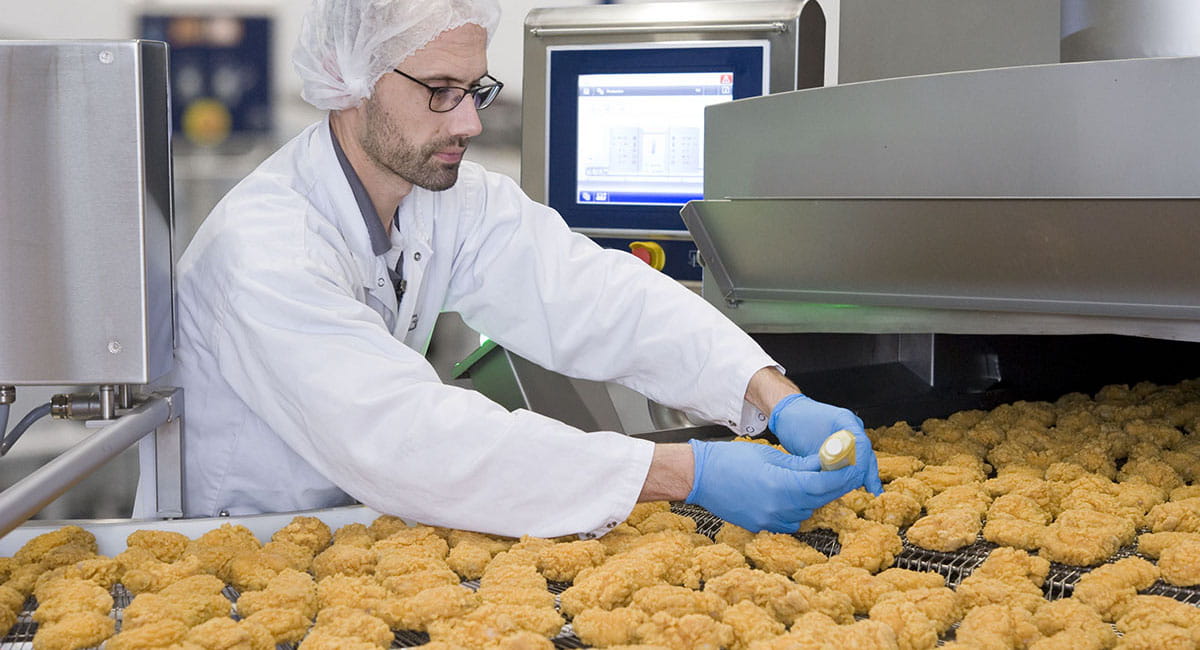
Освоение искусства промышленного приготовления пищи: От преодоления сложностей к осуществлению контроля
Промышленное приготовление пищи не обязательно должно быть сложным. Откройте для себя стратегии и технологии, которые позволяют повысить уровень контроля, стабильность, эффективность и качество продуктов.

Формула воды
Засухи стали обычным явлением по всей Европе, и они уже не ограничиваются только южными регионами. Доступность воды во все большей степени определяет выбор места размещения промышленных предприятий, при этом ее ценность зависит от местных условий. Существует множество технологических путей повышения эффективности использования воды в промышленных процессах, при этом ключевыми факторами также являются местоположение, потребности в энергии и другие факторы.
