

Ethanol production from starch-based feedstocks like corn and wheat, creates tons of stillage which can be used in animal feed, preferably as dried distiller’s grain with solubles (DDGS). Decanter centrifuges separate the stillage into a centrate called "thin stillage" which contains proteins and microfibers, and a solids phase called wet cake that contains the coarse constituents of the grain's fiber.
The centrate (thin stillage) with proteins, yeast and microfibers, is evaporated to produce a syrup, also known as "thick stillage". If corn is used as feedstock the thick stillage also contains corn oil that can be obtained with centrifugal separators to get the most out of your raw material and process. After deoiling the thick stillage is mixed with the wet cake from the decanter and dried to form DDGS.
In ethanol production from sugar-based feedstocks like sugar cane or molasses vinasse is produced in the distillation stage. After further concentration by evaporation the vinasse concentrate is treated by decanters. The finally obtained vinasse products are used as additives in animal feed and as fertilizer.
Features & Benefits
- Highest separation efficiency and drier cake due to deep pond design with high g-volume, automatic differential speed adjustment and always full torque
- Energy efficient design: small solids discharge diameter and energy jets for less energy demand
- Robust and reliable operation: external gears for less exposure to high temperatures, oil + air lubrication for all main bearings
- Advanced wear protection: Tiles and tungsten carbide protection for longer uptime
- VFD drive for high flexibility because of bowl speed changing during production
- Compact Design: small footprint, easy access to all service relevant parts

The smaller the diameter of the discharged solids or liquids in a decanter centrifuge, the less the energy consumption. GEA decanters for bioethanol are in deep-pond design. Deep-pond designs come with smaller solids and liquid discharge diameters (DS2 and DL2) than shallow-pond designs (DS1 and DL1) which makes them very energy efficient. The difference in energy consumption can be up to 30 percent.

The discharge diameter is one feature to reduce energy consumption, energy jets is another. GEA Energy Jets deflect the discharged liquid in such a way that it supports the bowl's rotation (right). This results in energy savings of up to 10 percent, compared with a decanter bowl without energy jets (left).
Downloads
Аналитика GEA
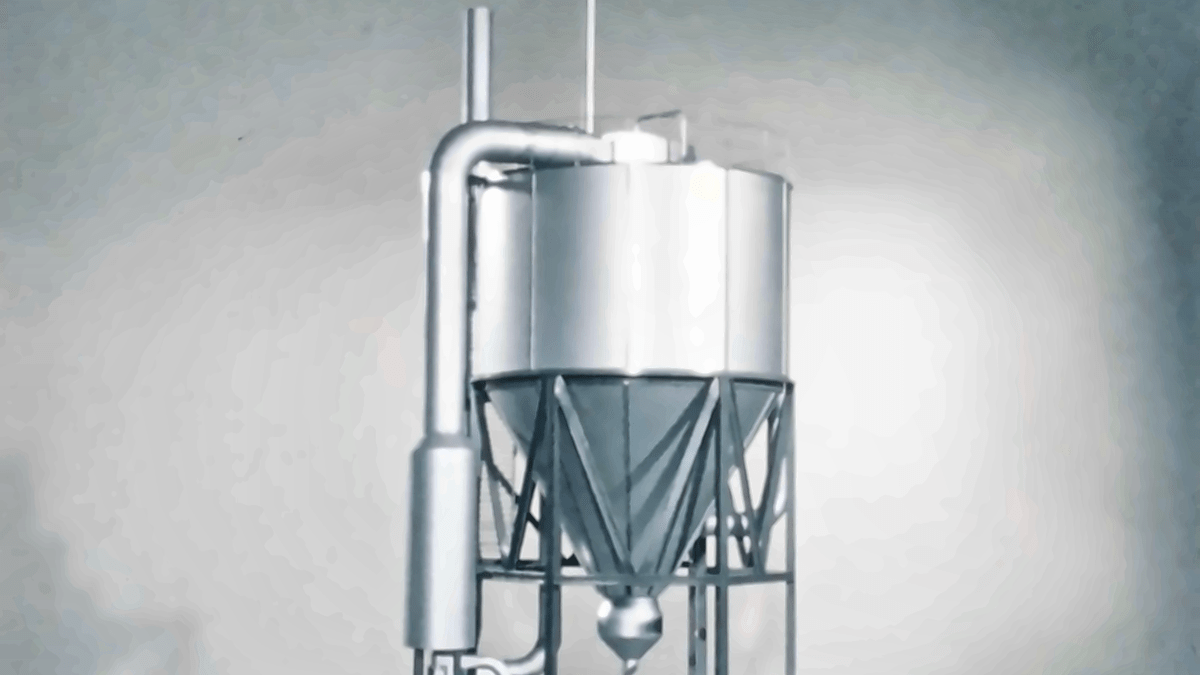
The breakthrough that changed spray drying
In 1976, NIRO engineers responded to a competitive challenge by rethinking what spray drying could do. Their idea became the multi-stage dryer MSD. Fifty years later, the same fundamental principle helps turn liquids into the powders used in essential nutrition products and important medicines around the world. Refined through decades of engineering expertise, customer insight and continuous development, MSD is a story of innovation with lasting impact.
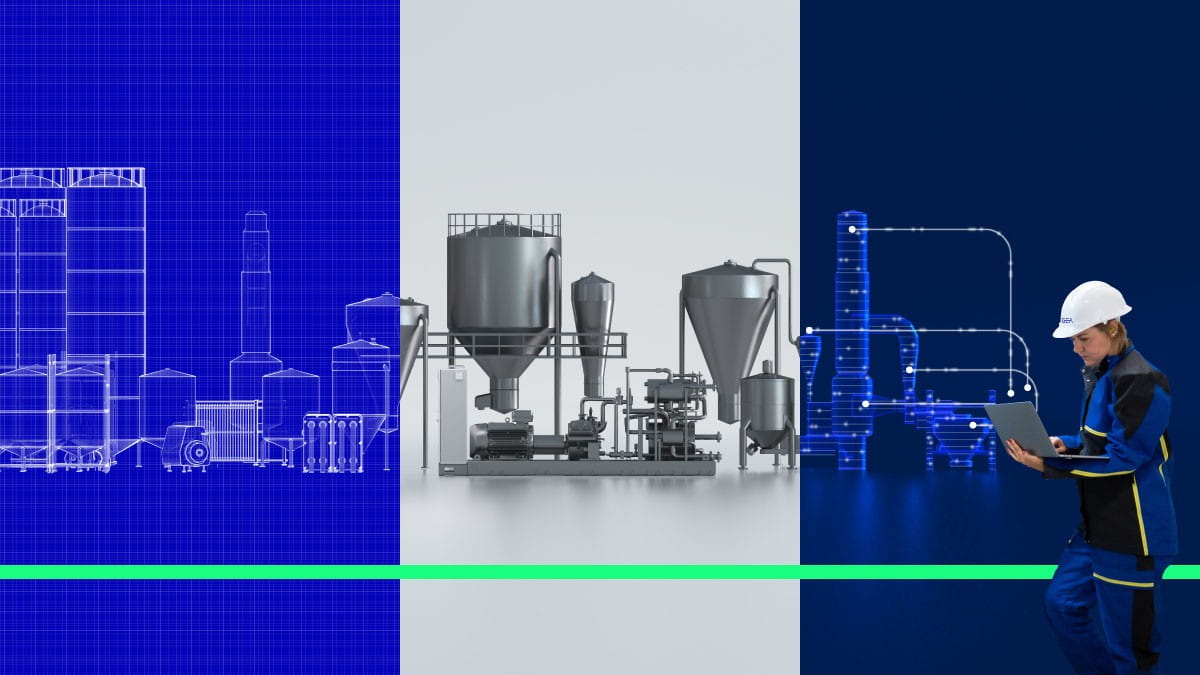
Не только оборудование: повышение эффективности работы предприятия
Эффективное оборудование не является автоматической гарантией эффективности всего предприятия. Реальные улучшения часто начинаются с того, что мы перестаем ограничиваться рассмотрением отдельных единиц оборудования и начинаем вникать в то, как технологические процессы, энергетические системы и эксплуатационные решения влияют друг на друга. Этот комплексный подход позволяет выявить возможности, которые в противном случае могли бы остаться незамеченными.
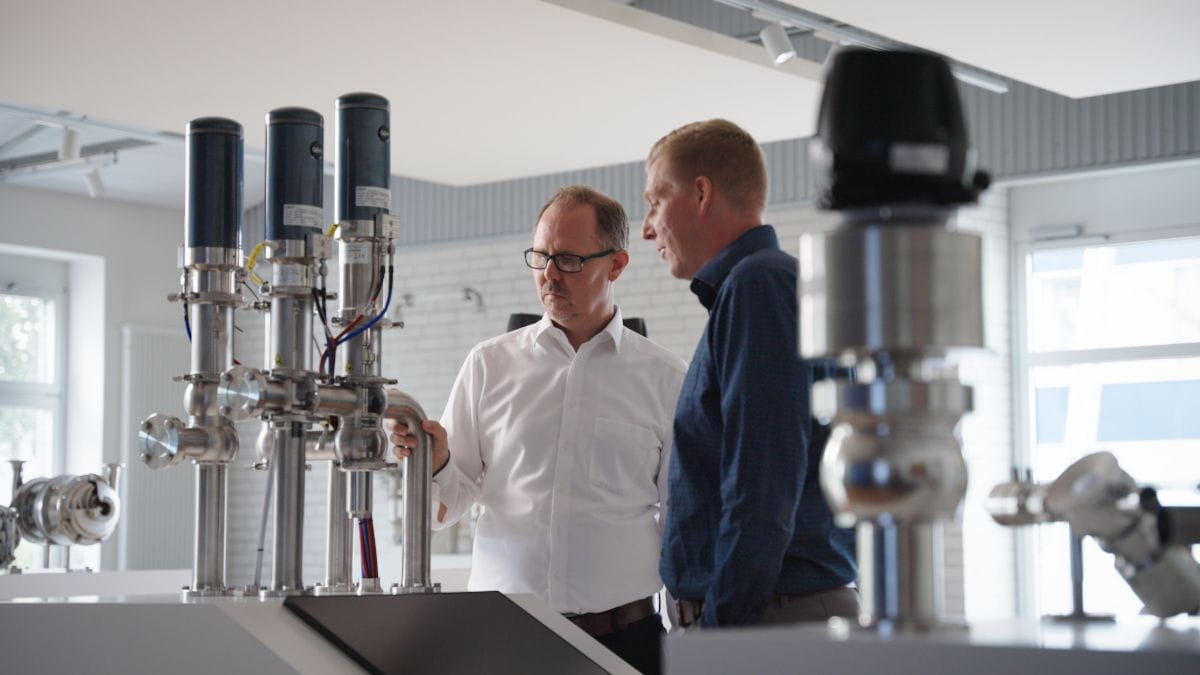
Как клапан меняет подход к производству продуктов питания и напитков
На предприятиях по производству продуктов питания и напитков клапаны, как правило, приводятся в действие с помощью сжатого воздуха. GEA Hydract® Actuation Technology обеспечивает привод клапанов с помощью воды в замкнутом контуре с цифровым управлением. Результатом стал клапан, который можно точно зафиксировать в нужном положении и регулировать с высокой точностью. Это обеспечивает снижение энергопотребления и повышение уровня контроля.
