

Cleaner fuel. Longer turbine life.
Gas turbines demand the highest fuel quality to operate safely, efficiently and economically. Even trace contaminants can lead to corrosion, fouling and costly downtime. GEA’s advanced fuel oil treatment systems ensure your turbines receive clean, compliant fuel whether you're running on diesel oil, crude oil or heavy fuel oil.
Diesel oil treatment – Simple handling, reliable protection
Distillate fuels like diesel oil are widely used in gas turbines due to their clean combustion and ease of handling. However, during transport and storage, contaminants such as sand, rust, scale and water often enter the fuel - frequently exceeding the purity limits set by turbine manufacturers. While these fuels typically contain low levels of trace metals the risk of contamination during logistics remains high and treatment is usually performed at ambient temperature.
GEA’s solution employs single-stage centrifugal separation, with optional pre-heating for high-viscosity fuels or cold climates. The system features self-cleaning separators for continuous operation and comes in modular, pre-assembled units for plug-and-play installation.
This approach ensures compliance with turbine OEM purity specifications, reduces wear and corrosion, prevents bacterial growth in storage tanks and extends maintenance intervals - maximizing turbine uptime and reliability.
Crude oil treatment – Safe operation with complex fuels
Crude oil is increasingly used in gas turbine power plants, especially in regions with direct access to upstream supply. Even after pre-cleaning, it still contains waxes, salts and solids that must be removed to meet turbine fuel standards. Its viscosity can vary from diesel-like to very heavy, and the presence of waxes requires heating above their melting point. In addition, the low flash point of crude oil makes explosion protection measures necessary.
GEA’s treatment solution includes single-stage separation for light crude oils, along with heating and inert gas flushing to ensure safety. All components are ATEX-compliant for use in hazardous areas and the system comes complete with auxiliary equipment such as pumps, heaters, and controls.
This setup effectively reduces sodium, potassium and water content, minimizes corrosion and fouling and enables safe, unattended operation for extended periods - ultimately protecting turbine blades and extending overhaul cycles.
Heavy Fuel Oil (HFO) Treatment – Optimized cleaning for low-cost fuels
HFO is a low-cost fuel option, but its high levels of trace elements and sediments - such as sodium, potassium, vanadium and catalytic fines - pose serious risks to turbine components if left untreated. With high viscosity and density, HFO requires heating and chemical conditioning to meet operational standards.
GEA’s treatment solution uses a two-stage process to efficiently remove salts and impurities. The fuel is blended with water and additives to break emulsions and enhance separation, targeting both water-soluble salts and abrasive solids. Modular systems with integrated heat exchangers and controls ensure reliable performance.
This approach achieves OEM-specified purity levels (e.g., Na+K < 1 ppm), prevents high-temperature corrosion and deposits and supports continuous, unattended operation. The result is reduced lifecycle costs and extended turbine service life.

GEA HFO treatment systems remove contaminants to achieve OEM fuel purity requirements, reducing corrosion, deposits and maintenance.
Power your turbines with confidence
GEA’s fuel oil treatment systems are engineered to meet the strictest turbine fuel standards, protecting your equipment and ensuring reliable energy production. Whether you're burning diesel, crude or heavy fuel oil, we deliver clean fuel, longer uptime and lower maintenance costs.
Let GEA help you protect your turbine - efficiently, safely and sustainably.
Продукты и технологии
Отображение 2 из 2

Machine automation & control
Every plant or machine, which is designed for a reliable long-term operation, requires a control unit that enables the communication between the different system parts. It is one of the most important component that guarantees reliability and efficient operation.

Центробежный сепаратор
Сепараторы компании GEA разработаны для производств, работающих с жидкостями. Они используют центробежную силу для сепарации суспензий, состоящих из двух и более фаз различной плотности, т.е., они могут использоваться для сепарации жидкость-жидкость, сепарации жидкость-жидкость-твердая фаза и сепарации жидкость-твердая фаза. Они эффективно раздел...
Другие приложения


Аналитика GEA
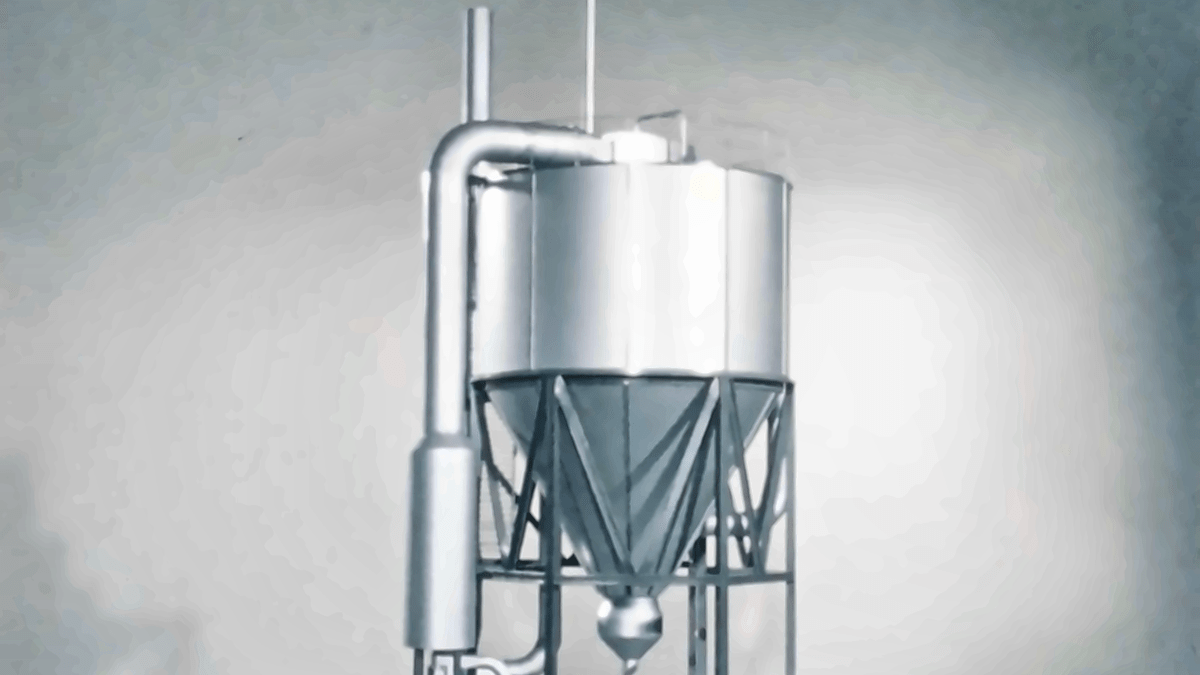
Прорыв, изменивший технологию сушки распылением
В 1976 году инженеры компании NIRO, приняв вызов со стороны конкурентов, переосмыслили возможности сушки распылением. В итоге их идея воплотилась в многоступенчатой сушилке MSD. Спустя пятьдесят лет тот же самый основополагающий принцип помогает превращать жидкости в порошки, которые используются для производства продуктов питания первой необходимости и важнейших лекарственных препаратов по всему миру. Опыт компании MSD формировался десятилетиями благодаря инженерным знаниям, глубокому пониманию потребностей клиентов и постоянному развитию. Это история инноваций, оказавших долгосрочное влияние.

Не только оборудование: повышение эффективности работы предприятия
Эффективное оборудование не является автоматической гарантией эффективности всего предприятия. Реальные улучшения часто начинаются с того, что мы перестаем ограничиваться рассмотрением отдельных единиц оборудования и начинаем вникать в то, как технологические процессы, энергетические системы и эксплуатационные решения влияют друг на друга. Этот комплексный подход позволяет выявить возможности, которые в противном случае могли бы остаться незамеченными.

Как клапан меняет подход к производству продуктов питания и напитков
На предприятиях по производству продуктов питания и напитков клапаны, как правило, приводятся в действие с помощью сжатого воздуха. GEA Hydract® Actuation Technology обеспечивает привод клапанов с помощью воды в замкнутом контуре с цифровым управлением. Результатом стал клапан, который можно точно зафиксировать в нужном положении и регулировать с высокой точностью. Это обеспечивает снижение энергопотребления и повышение уровня контроля.
