
The vast majority of ocean-going vessels run on heavy fuel oil. This contributes to about 3 percent of global CO2 emissions and ship owners need to consider more sustainable fuel sources. The switch to alternative fuels is necessary to limit greenhouse gas emissions in international maritime transport as quickly as possible and to achieve the IMO's CO2reduction targets.

Potential of biofuels for shipping
Among the various fuel solutions available to ship operators, biofuels offer a good alternative. Carbon emissions are lower compared to fossil fuels and sustainability criteria can be met.
Existing engines can generally use biofuels without major fuel line modifications. Therefore, biofuels are already seen as a bridge fuel for future fuels and are being used as a retrofit for existing vessels to achieve initial energy and CO2 savings.
GEA biofuel Separators
GEA biofuel Separators are specifically designed for the unique characteristics of biofuels, efficiently separating water and contaminants to meet the stringent requirements of the industry.
GEA also offers the option of upgrading older generations such as OSC, OSD, and OSE Separators to make them compatible with the unique characteristics of biofuels. For many years, GEA separators, regardless of generation, have proven excellent separation performance for biofuels on board ships.
Продукты и технологии
Отображение 0 из 0

Pushing the limits. The GEA marine Separator.

GEA marine Upgrade Kit for separators
Downloads
Аналитика GEA

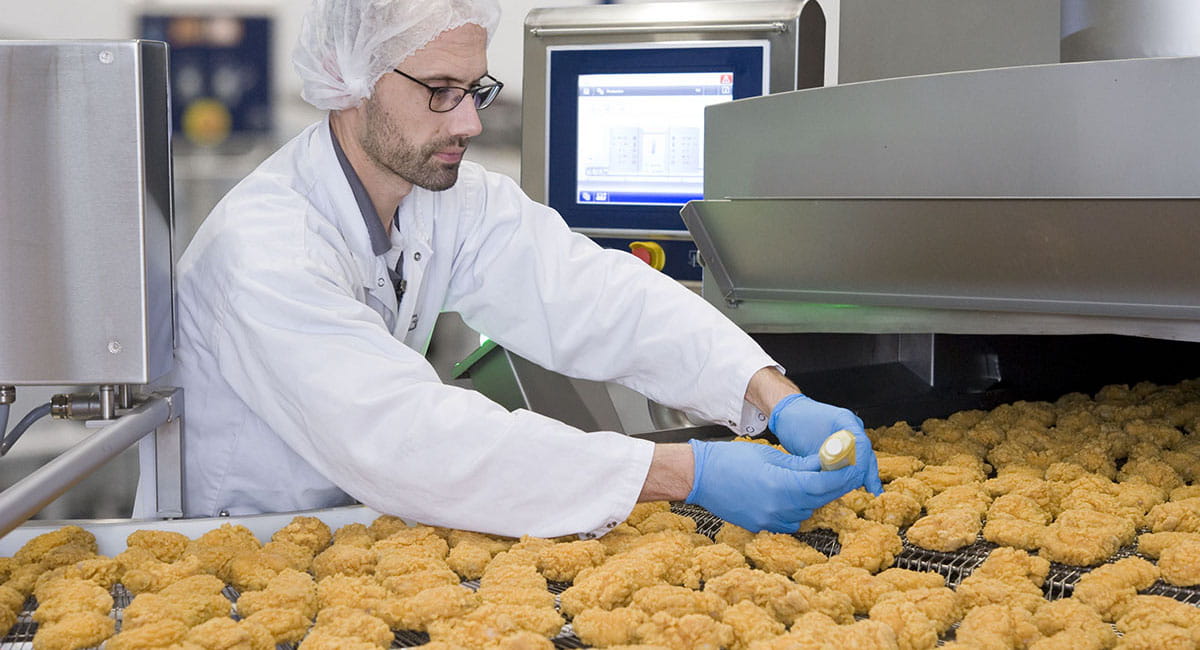
Освоение искусства промышленного приготовления пищи: От преодоления сложностей к осуществлению контроля
Промышленное приготовление пищи не обязательно должно быть сложным. Откройте для себя стратегии и технологии, которые позволяют повысить уровень контроля, стабильность, эффективность и качество продуктов.

Формула воды
Засухи стали обычным явлением по всей Европе, и они уже не ограничиваются только южными регионами. Доступность воды во все большей степени определяет выбор места размещения промышленных предприятий, при этом ее ценность зависит от местных условий. Существует множество технологических путей повышения эффективности использования воды в промышленных процессах, при этом ключевыми факторами также являются местоположение, потребности в энергии и другие факторы.
