
Selective Catalytic Reduction (SCR) is a way of converting Nitrogen Oxides (NOx) with the aid of a catalyst into nitrogen (N2) and water (H2O) at a lower temperature level.
The reductant, typically aqueous ammonia or urea solution is added, injected to the exhaust gas stream for the selective catalytic reduction.
Catalytic oxidation activity (CO/VOC) is achieved by additional impregnation with noble metals.
GEA was the first company to use and continuously improve selective catalytic reduction (SCR) in the glass industry, in the cement industry and now also in metallurgical industry.
With the operating data, the performance measurements carried out and the activity studies of the catalysts used, GEA is constantly adding to its experience for process optimization and for the benefit of users in all industrial sectors.
GEA offers two selective Catalytic Reduction Solutions to control NOx:
- SCR reactor for removal of NOx & CO/VOC
- Catalytic ceramic candle filter (BisCat)
Products
Wyświetlane elementy: 2 z 2

Catalytic ceramic candle filter (BisCat)
BisCat ceramic filters with an embedded catalyst matrix consists of vanadium pentoxide, allow for the removal of particulates, sorption processes for acidic gases, reduction of NOX and the decomposing of dioxins, VOC`s. The filter elements are chemically inert and corrosion resistant. Gas cleaning in one step. A multifunctional filter for the sim...

Instalacje SCR firmy GEA
Selektywna redukcja katalityczna (SCR) to sposób konwersji tlenków azotu, zwanych też tlenkami azotu (NOx). Podczas spalania węgla powstają produkty naftowe, gaz ziemny oraz zanieczyszczenia z odpadów pochodzących z gospodarstw domowych i niebezpiecznych odpadów z procesów produkcyjnych, które są emitowane z gazem odlotowym. Tym samym pomimo zopt...
Downloads
GEA Insights
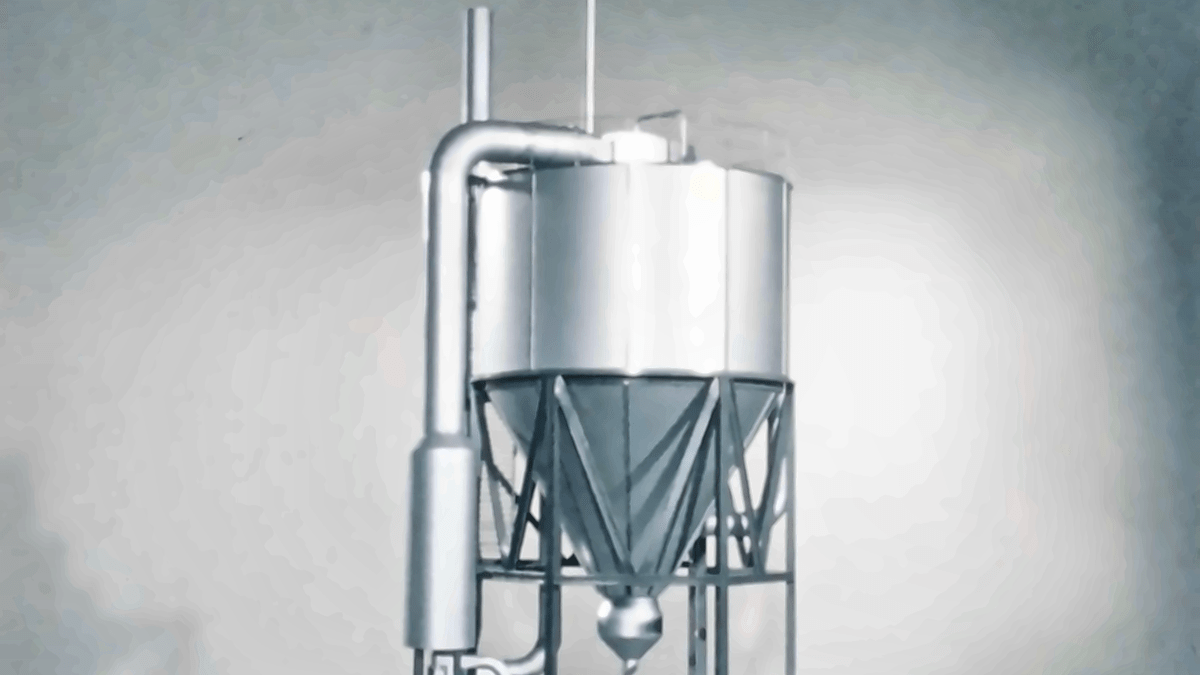
The breakthrough that changed spray drying
In 1976, NIRO engineers responded to a competitive challenge by rethinking what spray drying could do. Their idea became the multi-stage dryer MSD. Fifty years later, the same fundamental principle helps turn liquids into the powders used in essential nutrition products and important medicines around the world. Refined through decades of engineering expertise, customer insight and continuous development, MSD is a story of innovation with lasting impact.
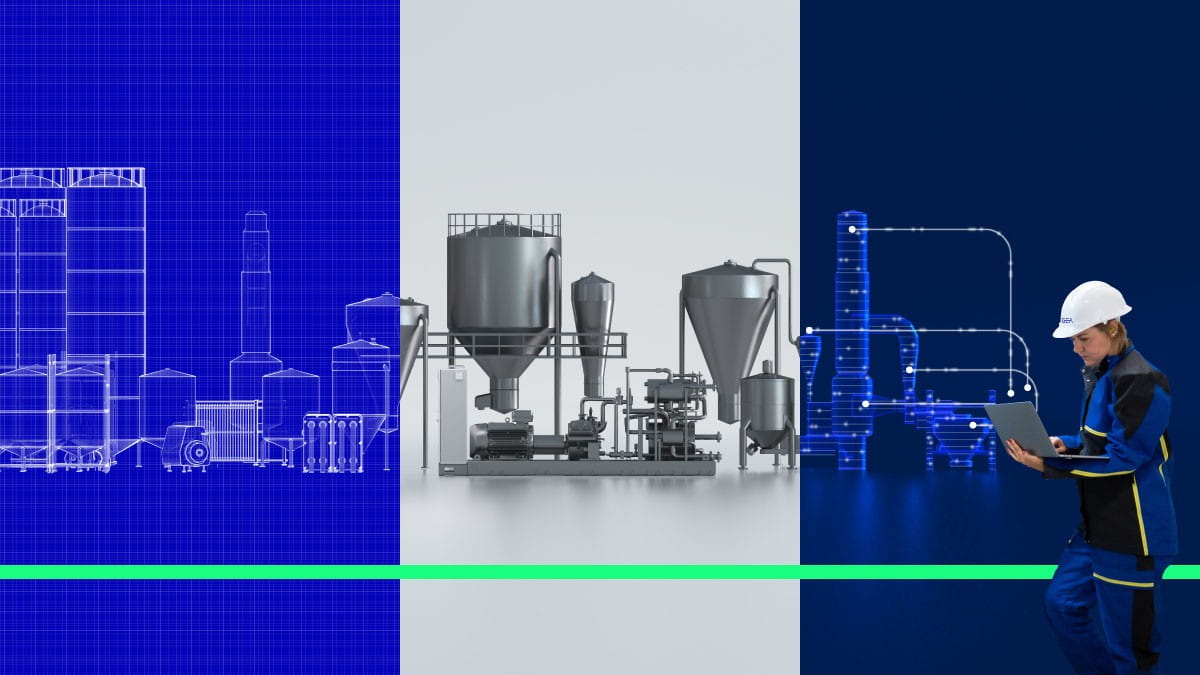
Więcej niż maszyna: klucz do poprawy wydajności zakładu
Wydajność maszyny nie przekłada się automatycznie na wydajność fabryki. Prawdziwa poprawa często zaczyna się od wyjścia poza ramy poszczególnych urządzeń i zrozumienia, w jaki sposób wzajemnie na siebie oddziałują procesy, systemy energetyczne i decyzje operacyjne. Jest to podejście kompleksowe, mające na celu odkrycie możliwości, które w przeciwnym razie mogłyby zostać przeoczone.
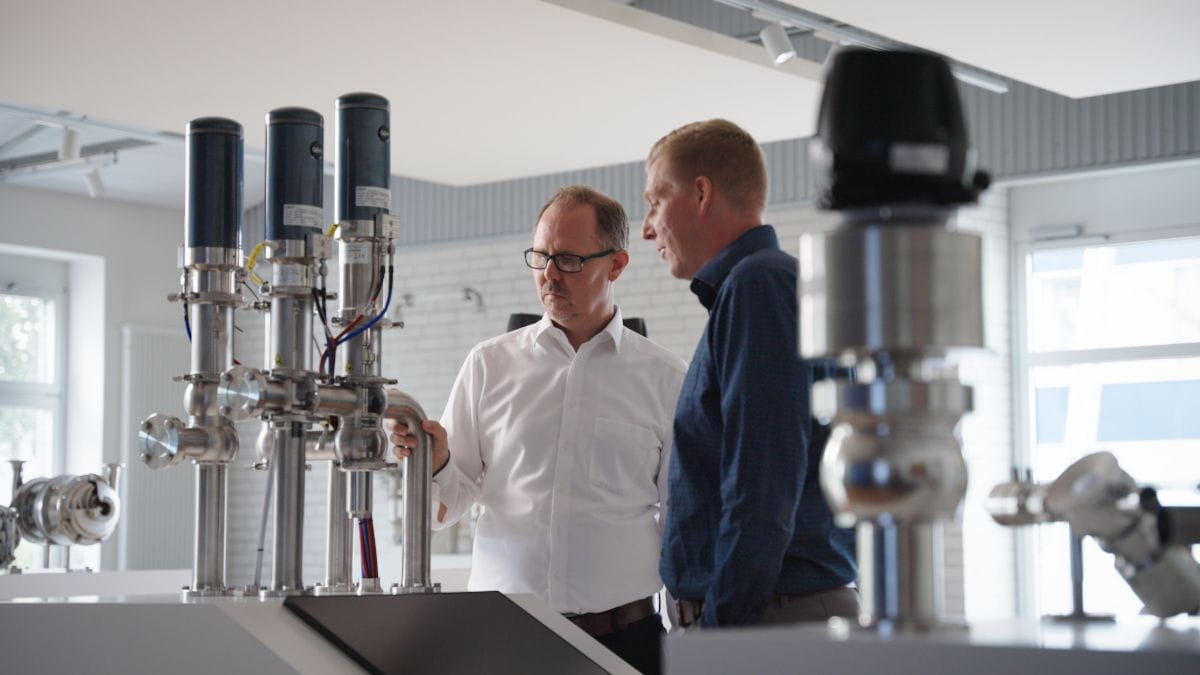
W jaki sposób zawór może wpływać na sposób produkcji żywności i napojów
Zazwyczaj w zakładach produkujących żywność i napoje zawory są uruchamiane za pomocą sprężonego powietrza. Tymczasem w GEA Hydract® Actuation Technology do sterowania zaworami wykorzystuje się wodę w zamkniętym obiegu sterowanym cyfrowo. W rezultacie otrzymujemy zawór, który można precyzyjnie utrzymać w odpowiednim położeniu i sterować nim z dużą dokładnością. Skutkuje to mniejszym zużyciem energii i większą kontrolą.
