

Two-in-one solution
When implementing Exhaust Gas Recirculation (EGR) technology in marine engines, it is necessary to consider the treatment of EGR wash water before its discharge into the sea.
During the EGR process, the recirculated exhaust gas come into contact with contaminants such as soot, sulfur compounds, and acidic components. As a result, the wash water generated from cleaning the EGR system can contain pollutants that need to be treated to ensure compliance with environmental regulations.
The GEA bilgEGR Solution is a system designed for both bilge water treatment and EGR wash water purification. GEA bilgEGR Solution is a practical installation for minimizing the equipment and installation costs associated with the discharge of EGR wash water and bilge water on board. This is achieved through proper design and control of the combined system.

Type approved system
In accordance with the class rules, the system is fully flushed twice before switching from bilge water treatment to EGR wash water treatment. This ensures that the fluids are handled separately.
Existing bilge systems can be retrofitted by adding an additional module to the system.
Key benefits
- Economic two-in-one solution with minimal space requirement in the engine room
- DNV type approved
- High-efficiency integrated direct drive
- Reduced energy consumption and low operating costs
- Easily exchangeable drive system
- Ready for smart connectivity
- PLC controlled flushing of system

Keep your equipment fit with GEA Service
Seven seas. One revolutionary service concept.

The GEA marine Separator
Pushing the limits
Downloads
Powiązane produkty

GEA NOx Separator
GEA NOx Separator with integrated direct drive is specially configured for the water treatment in Exhaust Gas Recirculation (EGR) on board marine vessels. After treatment, the purified water can be discharged into the sea.

Separators for Marine
Marine separators specialize in the purification of fuel and lube oil as well as bilge and EGR water treatment on board ships.

GEA marine Upgrade Kit for separators
Designed to automate various separator processes, the GEA marine Upgrade Kit features advanced software and easy-to-use hardware components for seamless integration. By extending the capabilities of our marine separators, this solution improves efficiency and promotes environmental sustainability.

GEA biofuel Separator
GEA biofuel Separators are tailored to the specific characteristics of biofuels, efficiently separating water and contaminants to meet the stringent requirements of the industry.

GEA Insights
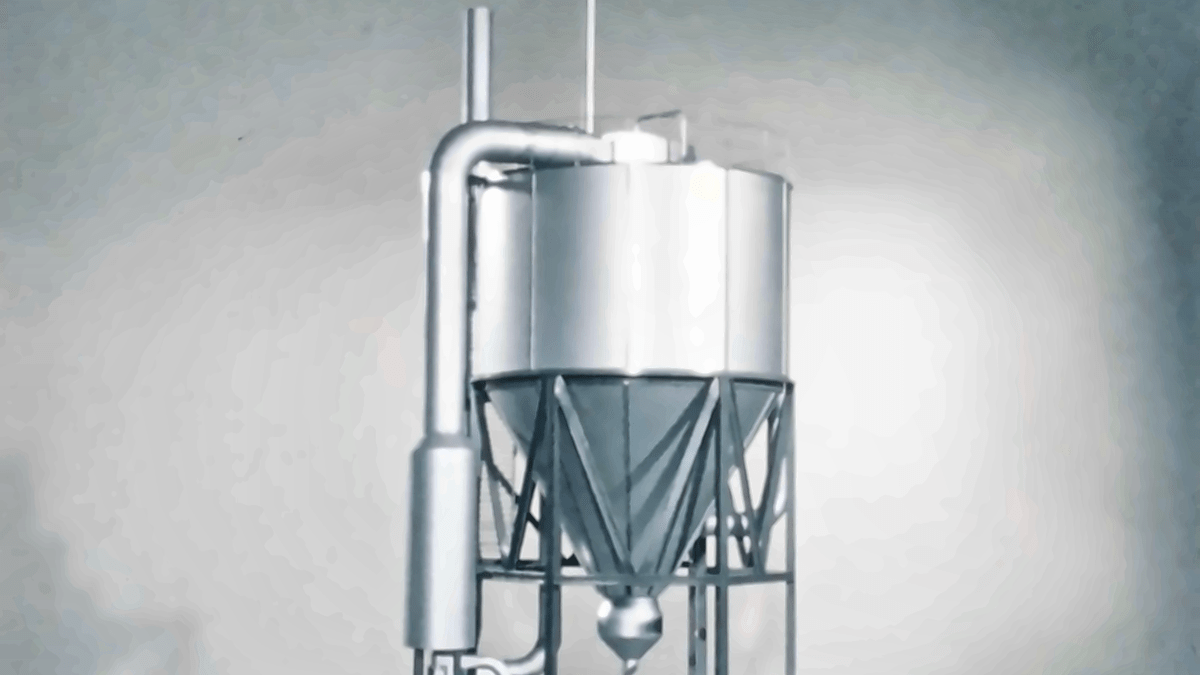
The breakthrough that changed spray drying
In 1976, NIRO engineers responded to a competitive challenge by rethinking what spray drying could do. Their idea became the multi-stage dryer MSD. Fifty years later, the same fundamental principle helps turn liquids into the powders used in essential nutrition products and important medicines around the world. Refined through decades of engineering expertise, customer insight and continuous development, MSD is a story of innovation with lasting impact.
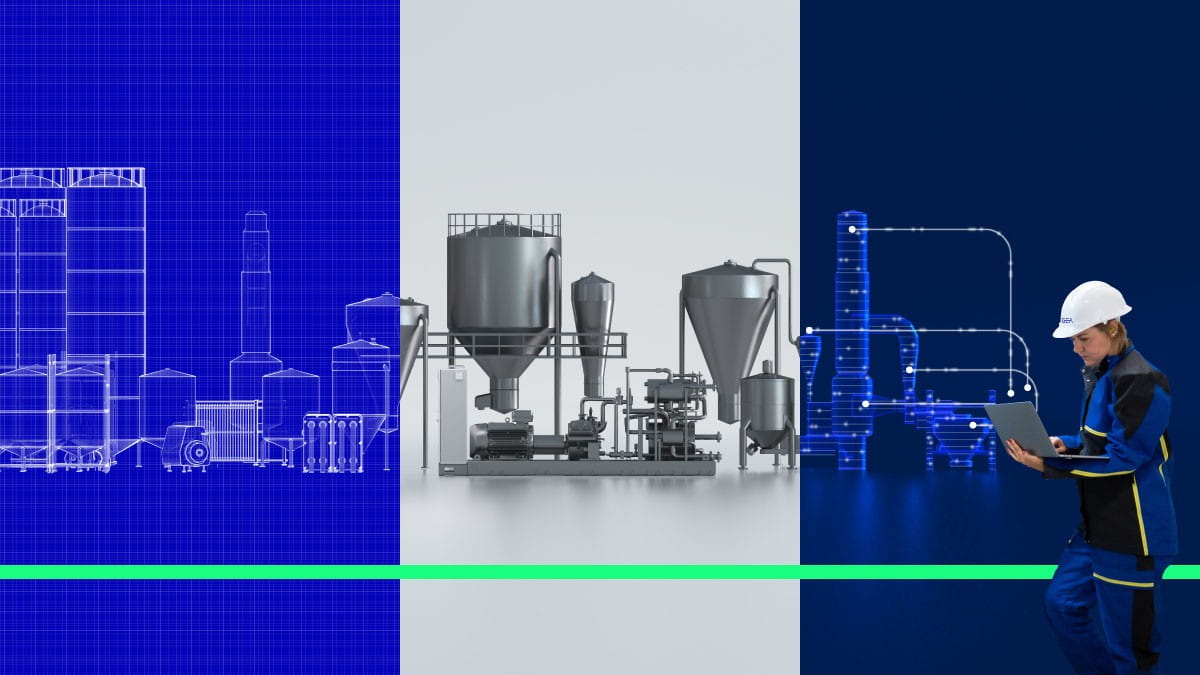
Więcej niż maszyna: klucz do poprawy wydajności zakładu
Wydajność maszyny nie przekłada się automatycznie na wydajność fabryki. Prawdziwa poprawa często zaczyna się od wyjścia poza ramy poszczególnych urządzeń i zrozumienia, w jaki sposób wzajemnie na siebie oddziałują procesy, systemy energetyczne i decyzje operacyjne. Jest to podejście kompleksowe, mające na celu odkrycie możliwości, które w przeciwnym razie mogłyby zostać przeoczone.
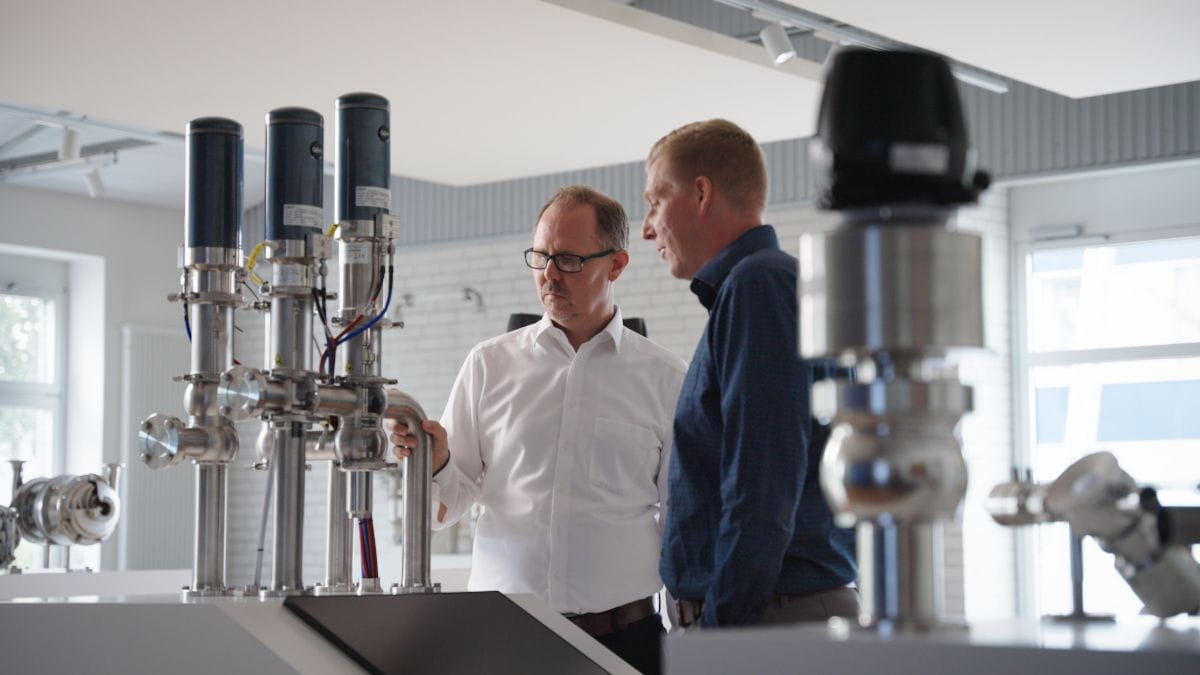
W jaki sposób zawór może wpływać na sposób produkcji żywności i napojów
Zazwyczaj w zakładach produkujących żywność i napoje zawory są uruchamiane za pomocą sprężonego powietrza. Tymczasem w GEA Hydract® Actuation Technology do sterowania zaworami wykorzystuje się wodę w zamkniętym obiegu sterowanym cyfrowo. W rezultacie otrzymujemy zawór, który można precyzyjnie utrzymać w odpowiednim położeniu i sterować nim z dużą dokładnością. Skutkuje to mniejszym zużyciem energii i większą kontrolą.
