
Mainly used in the global hormone replacement therapy, currently worth about $3.6 billion, the three major segments comprise estrogen, growth and thyroid hormone, and testosterone replacement therapy. A major market driver is the increased awareness of postmenopausal hazards amongst women; others include an ageing population, innovative drug delivery systems and the pharmerging economies.
Predominantly based on cholesterol, steroid hormones are synthesized in the endocrine glands and transported to target tissue by the blood. At their site of action, they dock with highly specific cellular receptors and perform a key function in protein formation. To produce steroid hormones for pharmaceutical applications outside the body, a direct extraction procedure from special nutrient solutions is used.
Counter-Current Liquid-Liquid Extraction
In continuous direct extraction from GEA, the fermented nutrient solution is treated by liquid-liquid extraction in a counter-current process. Following precipitation, concentration, crystallization and drying of the extract, the steroid hormones are available in the form of a raw salt and can be correspondingly processed by the pharmaceutical industry. In a continuous direct extraction process, the fermented nutrient solution undergoes a counter-current liquid-liquid extraction process (also known as also known as solvent extraction or partitioning). Following precipitation, concentration, crystallization and drying, the extracted steroid hormones are available in the form of a raw salt and can be subsequently processed by the pharmaceutical industry.
Fromfacility design and layout, manufacturing process controls (including adherence to standard operating procedures) and environmental control systems (HVAC) to extraction systems, industrial hygiene solutions and fully integrated, end-to-end containment solutions, GEA has the experience and know-how to implement and optimize end-to-end production lines for steroid- and hormone-based applications.
Produkty i technologie
Wyświetlane elementy: 4 z 10

Lyophilizers (Pharma Freeze Dryers)
GEA's thorough understanding of the lyophilization process enables them to supply a comprehensive range of products and services, comprising laboratory equipment, pilot plants for research and small-scale production batches, industrial size pharmaceutical production freeze dryers.

Machine automation & control
Every plant or machine, which is designed for a reliable long-term operation, requires a control unit that enables the communication between the different system parts. It is one of the most important component that guarantees reliability and efficient operation.

Pompy higieniczne
GEA Hilge to wszechstronna oferta pomp odśrodkowych i wyporowych przeznaczonych do szerokiej gamy wrażliwych procesów w branży żywności, napojów i alkoholi oraz w przemyśle farmaceutycznym.

R&D Drying Systems
GEA's versatile range of R&D drying & particle processing equipment - for advanced powder processing within food and dairy products, chemicals and pharmaceuticals.
Downloads
GEA Insights
Przełom, który odmienił suszenie rozpyłowe
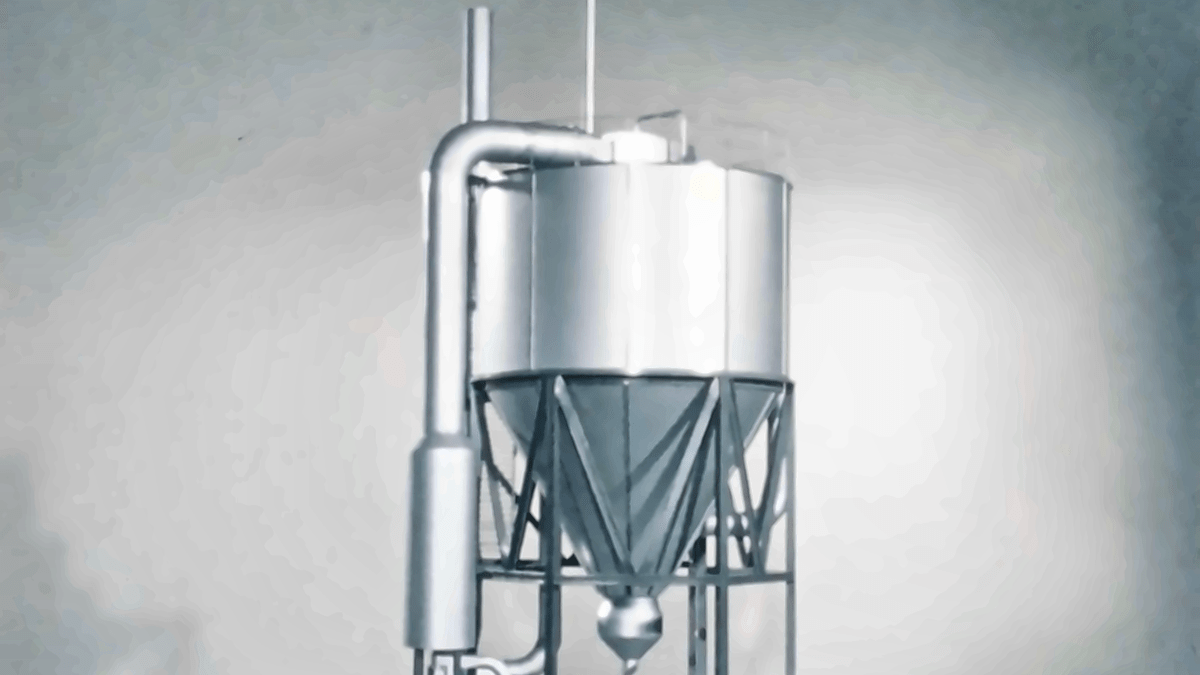
W 1976 roku inżynierowie NIRO odpowiedzieli na wyzwanie ze strony konkurencji, na nowo definiując możliwości suszenia rozpyłowego. Ich pomysł dał początek wielostopniowej suszarce MSD. Pięćdziesiąt lat później ta sama podstawowa zasada pomaga przekształcać płyny w proszki wykorzystywane na całym świecie do produkcji niezbędnych produktów żywieniowych i ważnych leków. Historia MSD, doskonalonej przez dziesięciolecia dzięki wiedzy inżynieryjnej, doświadczeniom klientów i ciągłemu rozwojowi, to historia innowacji o trwałym znaczeniu.

Więcej niż maszyna: klucz do poprawy wydajności zakładu
Wydajność maszyny nie przekłada się automatycznie na wydajność fabryki. Prawdziwa poprawa często zaczyna się od wyjścia poza ramy poszczególnych urządzeń i zrozumienia, w jaki sposób wzajemnie na siebie oddziałują procesy, systemy energetyczne i decyzje operacyjne. Jest to podejście kompleksowe, mające na celu odkrycie możliwości, które w przeciwnym razie mogłyby zostać przeoczone.

W jaki sposób zawór może wpływać na sposób produkcji żywności i napojów
Zazwyczaj w zakładach produkujących żywność i napoje zawory są uruchamiane za pomocą sprężonego powietrza. Tymczasem w GEA Hydract® Actuation Technology do sterowania zaworami wykorzystuje się wodę w zamkniętym obiegu sterowanym cyfrowo. W rezultacie otrzymujemy zawór, który można precyzyjnie utrzymać w odpowiednim położeniu i sterować nim z dużą dokładnością. Skutkuje to mniejszym zużyciem energii i większą kontrolą.
