
The GEA Advantage
A specialist in this field, GEA uses its experience and expertise to unite a range of technologies to create complete processing plants for blood plasma processing, including controlled precipitation, centrifugation and filtration for solid/liquid separation, thermal and chemical inactivation, ultrafiltration/diafiltration, nanofiltration and chromatography. The company has successfully planned and built plants for blood plasma fractionation all over the world.
GEA supplies plant and components for fractionation, concentration, pre- and post-virus inactivation, purification and buffer production, storage and distribution. As well as being an aseptic process, blood plasma fractionation involves precise cooling of the separation vessel at various stages, requiring highly accurate control systems. Depending on the application, plasma may need to be frozen to –30 °C within 60 minutes. GEA can supply equipment to accurately maintain such extremely low temperatures.
An essential part of high-quality blood plasma production is an integrated CIP/SIP system. GEA provides efficient cleaning and sterilization processes to meet your individual demands and to ensure that sterile media is delivered to the right place at the right time. We offer a wide range of cleaning options, from mobile, independent cleaning systems up to diverse CIP satellites fed with conditioned cleaning solutions.
High Standards, High Quality
In addition, the process must comply with a large number of national and international standards and statutory provisions. Manufacturers expect great precision in the manufacture and assembly of their process plant; every detail of the design must comply with the highest standards to avoid production errors. Using high-performance processing equipment from GEA helps to guarantee reliable production.
Whatever you need your process plant for — from the fractionation and manufacture of products such as immunoglobulins or human albumins to Factor VIII/Factor IX — our wide range of plant concepts will provide for any task to be performed in a safe and cost-effective way and take account of any specific requirements or conditions.
Produkty i technologie
Wyświetlane elementy: 4 z 8

Higieniczne zawory i komponenty
Higieniczne zawory GEA stanowią główny komponent instalacji procesowych o matrycowym układzie rur. Dzięki pionierskiej koncepcji zaworu ustanawiającej standardy w zakresie elastyczności, jak również najnowszych funkcji regulacji i automatyzacji, nasze zawory oferują producentom maksymalne bezpieczeństwo produktu i niezawodność procesu. Wszystkie ...

Lyophilizers (Pharma Freeze Dryers)
GEA's thorough understanding of the lyophilization process enables them to supply a comprehensive range of products and services, comprising laboratory equipment, pilot plants for research and small-scale production batches, industrial size pharmaceutical production freeze dryers.

Machine automation & control
Every plant or machine, which is designed for a reliable long-term operation, requires a control unit that enables the communication between the different system parts. It is one of the most important component that guarantees reliability and efficient operation.

Pompy higieniczne
GEA Hilge to wszechstronna oferta pomp odśrodkowych i wyporowych przeznaczonych do szerokiej gamy wrażliwych procesów w branży żywności, napojów i alkoholi oraz w przemyśle farmaceutycznym.
Downloads
GEA Insights
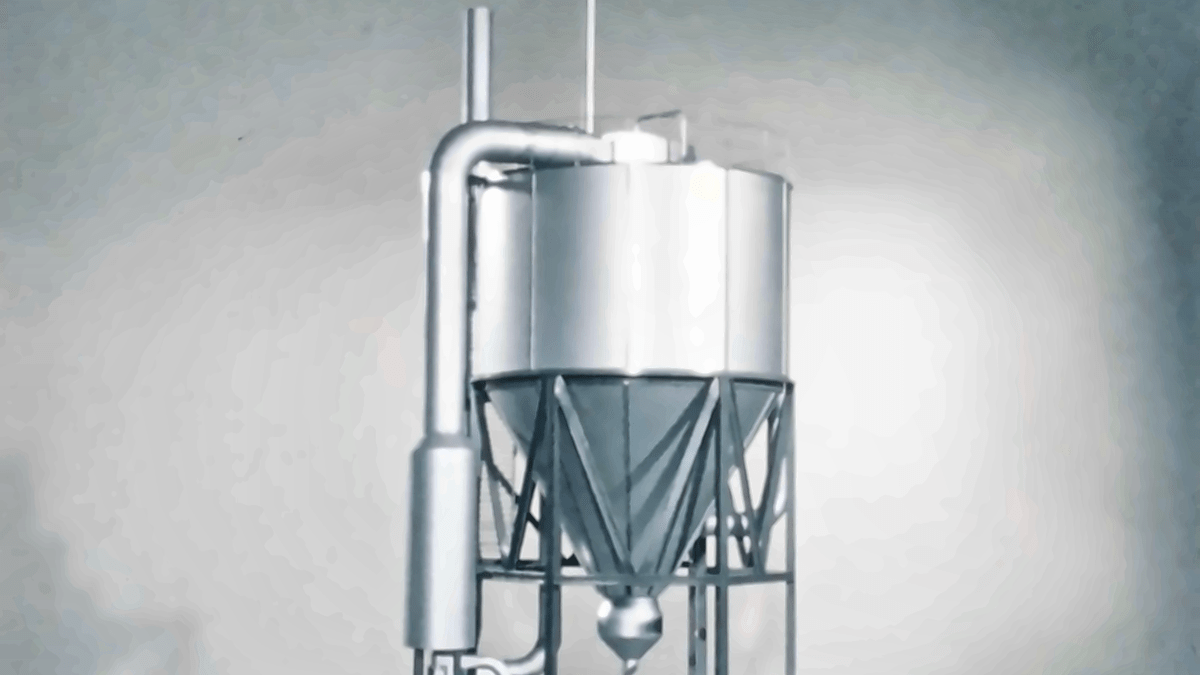
The breakthrough that changed spray drying
In 1976, NIRO engineers responded to a competitive challenge by rethinking what spray drying could do. Their idea became the multi-stage dryer MSD. Fifty years later, the same fundamental principle helps turn liquids into the powders used in essential nutrition products and important medicines around the world. Refined through decades of engineering expertise, customer insight and continuous development, MSD is a story of innovation with lasting impact.
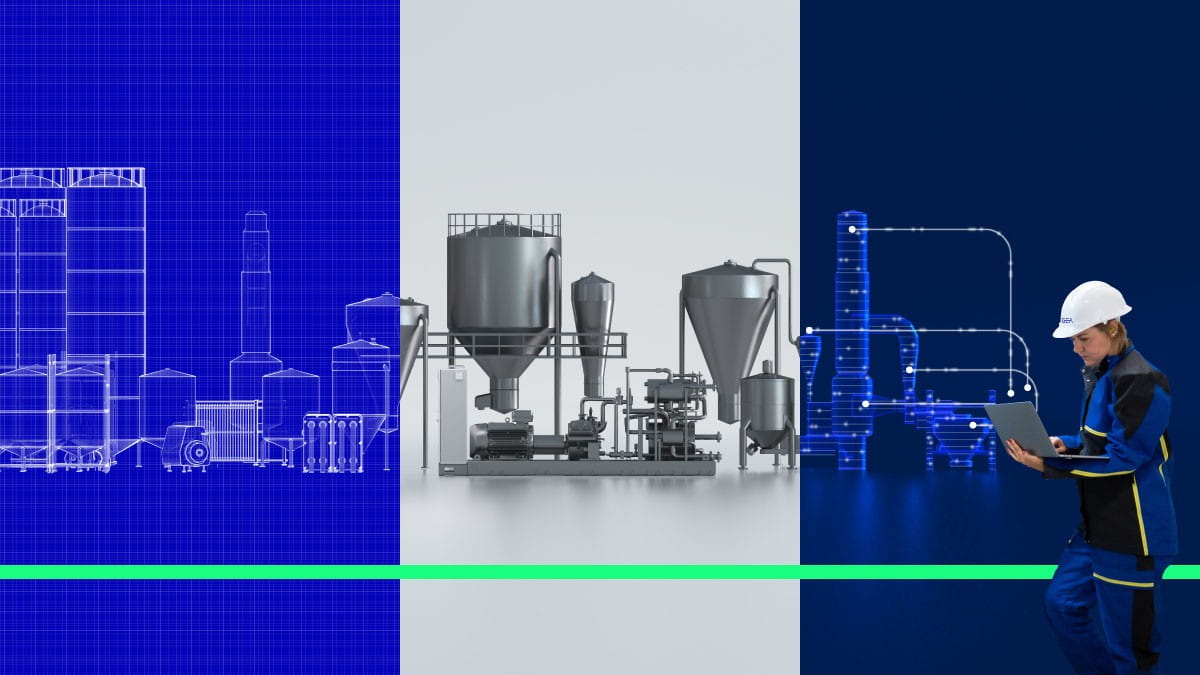
Więcej niż maszyna: klucz do poprawy wydajności zakładu
Wydajność maszyny nie przekłada się automatycznie na wydajność fabryki. Prawdziwa poprawa często zaczyna się od wyjścia poza ramy poszczególnych urządzeń i zrozumienia, w jaki sposób wzajemnie na siebie oddziałują procesy, systemy energetyczne i decyzje operacyjne. Jest to podejście kompleksowe, mające na celu odkrycie możliwości, które w przeciwnym razie mogłyby zostać przeoczone.
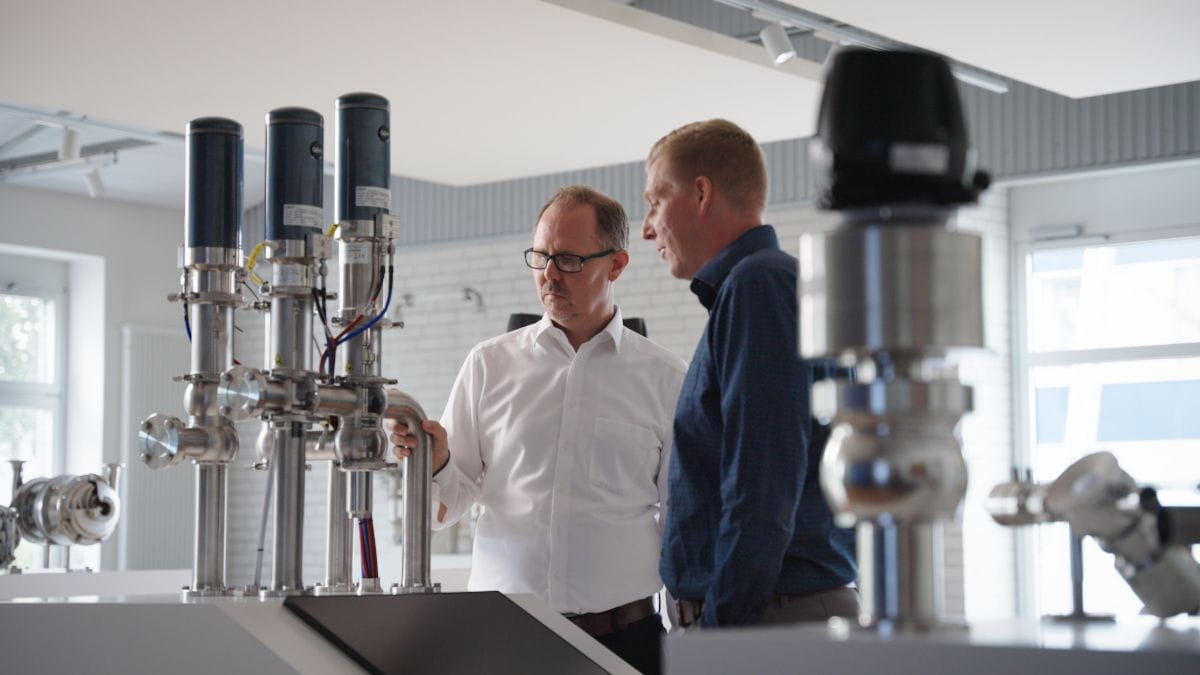
W jaki sposób zawór może wpływać na sposób produkcji żywności i napojów
Zazwyczaj w zakładach produkujących żywność i napoje zawory są uruchamiane za pomocą sprężonego powietrza. Tymczasem w GEA Hydract® Actuation Technology do sterowania zaworami wykorzystuje się wodę w zamkniętym obiegu sterowanym cyfrowo. W rezultacie otrzymujemy zawór, który można precyzyjnie utrzymać w odpowiednim położeniu i sterować nim z dużą dokładnością. Skutkuje to mniejszym zużyciem energii i większą kontrolą.
