

Benefits of our centrifugal separators
- Reduce residual oil content to max. 15 ppm
- Oil-in water measuring device, monitoring the aqueous phase for purity levels
- On-site treatment of slop water
- Avoidance of traditional transport costs
- Cost-effective solution
Meeting IMO regulations
Across various processes in the oil and gas industry, including the treatment of water, strict adherence to environmental regulations is crucial. To meet the standards set by the International Maritime Organization (IMO), GEA offers specialized high-performance, self-cleaning centrifugal separators and clarifying decanter centrifuges. The goal is to efficiently reduce the oil content to levels below the legally specified limits, often set at 15 ppm or 5 ppm in some regions.
Continuous and reliable operation, along with cost-effective features such as reduced disposal costs and low energy consumption, makes GEA's solutions suitable for both offshore and onshore applications. The emphasis on compliance, efficiency and cost-effectiveness is a common thread in addressing the challenges posed by oil-contaminated water in the oil and gas industry.
Monitoring purity levels
To guarantee adherence to prescribed limits, we employ a specialized oil-in-water measuring device. This device monitors the aqueous phase, ensuring the de-oiled water meets environmental requirements. If oil levels exceed the set standard, the liquid is recirculated to the slop water tank and only released when it meets the necessary purity criteria.
On-site treatment for cost efficiency
All these various possible compositions make an overboard discharge of slop water inadmissible due to existing environmental regulations, so that they have to be treated before discharge. GEA's approach allows for on-site slop water treatment, eliminating the need for costly transportation to shore for processing and disposal. By efficiently treating slop water at its source, our solution not only ensures compliance with regulations but also minimizes the environmental impact and reduces operational costs.

High-efficiency slop water treatment utilizing disk stack centrifuges
Prodotti e tecnologie
Visualizzazione di 2 su 2

Centrifuga decanter
Il momento dell'impiego del decanter sopraggiunge quando il contenuto di solidi nella sospensione da lavorare è particolarmente elevato. Tali macchine hanno il vantaggio di garantire un'elevata efficienza a livello di chiarificazione e i massimi risultati a livello di estrazione dell'acqua, oltre a consentire la separazione dei liq...

Separatore centrifugo
I separatori di GEA sono progettati per applicazioni a base liquida. Utilizzano la forza centrifuga per separare sospensioni composte da due o più fasi di densità diverse; possono cioè essere utilizzati per la separazione liquido-liquido, la separazione liquido-liquido-solido o la separazione liquido-solido. Separano miscele liquide con la stessa...


Downloads
Approfondimenti GEA
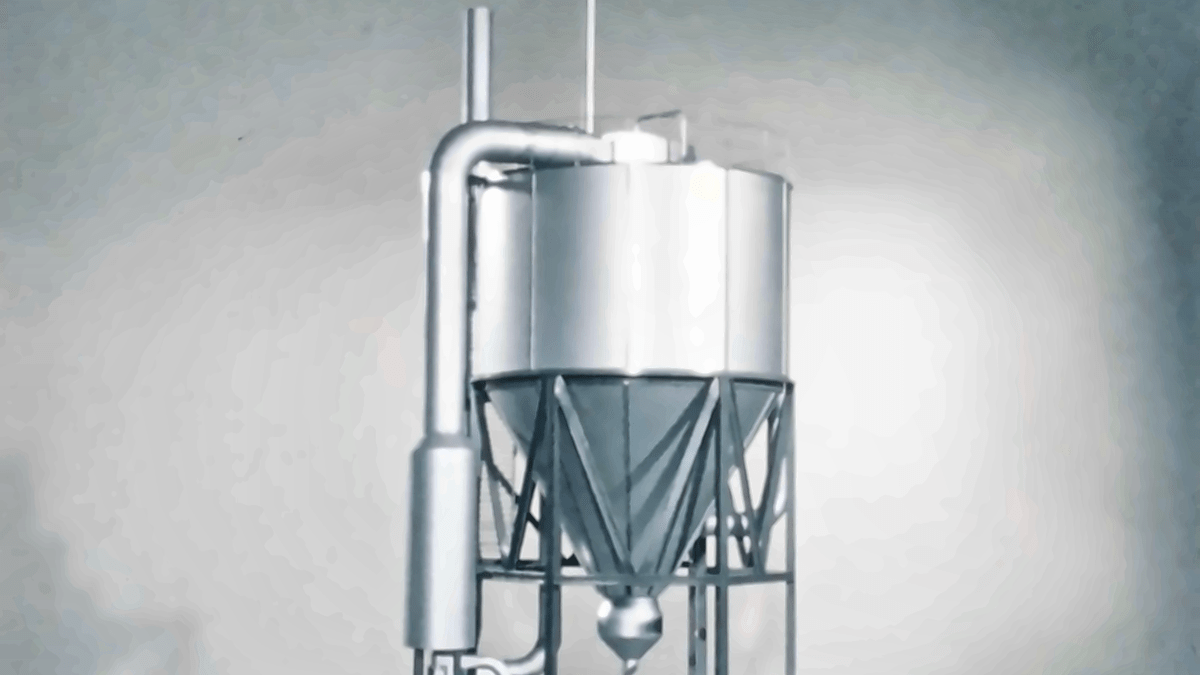
The breakthrough that changed spray drying
In 1976, NIRO engineers responded to a competitive challenge by rethinking what spray drying could do. Their idea became the multi-stage dryer MSD. Fifty years later, the same fundamental principle helps turn liquids into the powders used in essential nutrition products and important medicines around the world. Refined through decades of engineering expertise, customer insight and continuous development, MSD is a story of innovation with lasting impact.
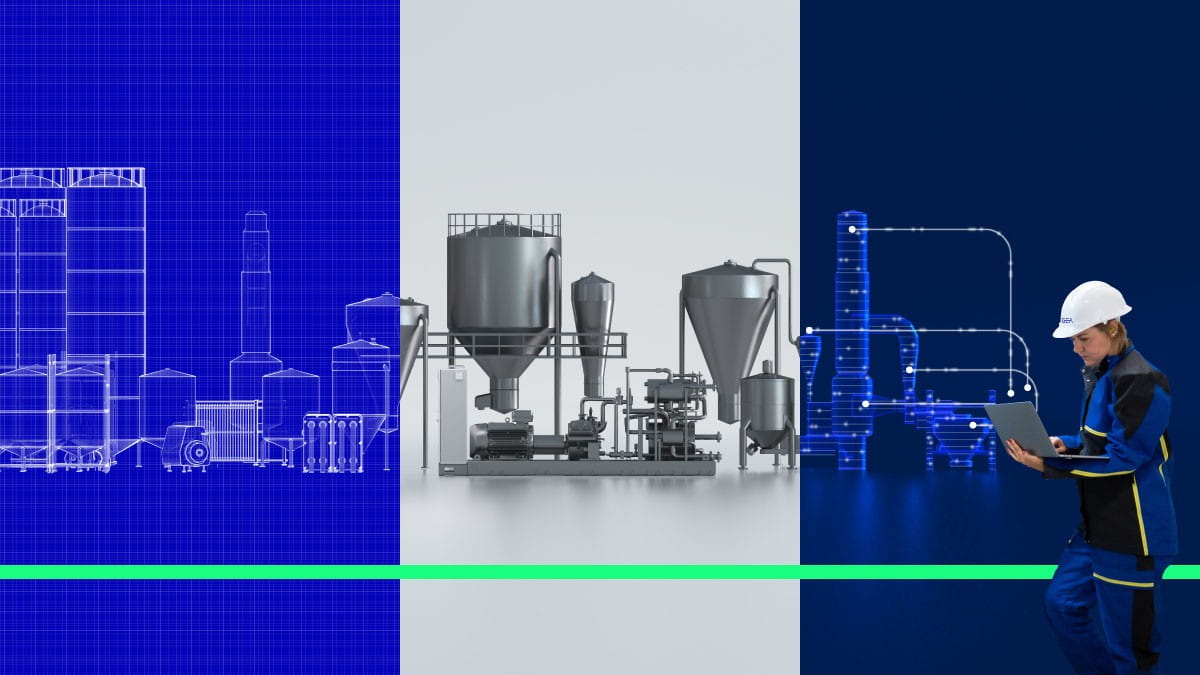
Oltre le macchine: come migliorare le prestazioni dell’impianto
Una macchina efficiente non garantisce automaticamente l'efficienza di uno stabilimento. Il vero miglioramento spesso inizia guardando oltre le singole attrezzature e comprendendo come i processi, i sistemi energetici e le decisioni operative si influenzino a vicenda. Si tratta di un approccio olistico pensato per individuare opportunità che altrimenti potrebbero sfuggire.
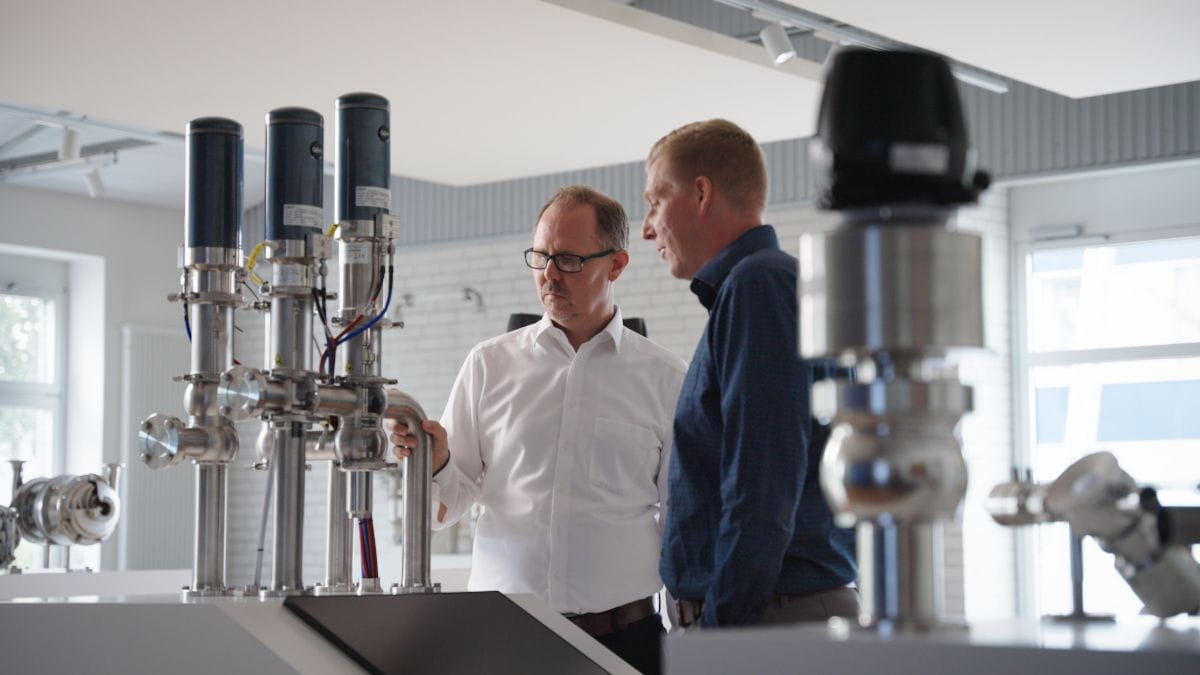
Come una valvola rivoluziona la produzione di alimenti e bevande
Negli impianti di produzione di alimenti e bevande, le valvole vengono solitamente azionate tramite aria compressa. GEA Hydract® Actuation Technology utilizza l'acqua all'interno di un circuito chiuso e controllato digitalmente. Il risultato è una valvola che può essere mantenuta esattamente in posizione e regolata con per piccoli incrementi con grande precisione. Ciò si traduce in un minor consumo energetico e in un maggiore controllo.
