
Caractéristiques techniques
- Disponible en acier ou en acier inoxydable
- Sélection du matériau du corps conformément à la norme allemande DIN EN12284, AD2000 série W
- Fluide de service : saumure froide à base de glycol, fluide frigorigène selon EN 378 p. 1, par ex., NH3, R22, R134a, et mélanges avec de l'huile pour installations de réfrigération, des milieux liquides, gazeux et neutres, de la saumure froide à base de glycol
- Position de montage : horizontale et verticale dans le cas d'un débit vertical
| Clapets anti-retour RVA | |
| Conception | Type droit ou d’équerre |
| Matériau | Acier ou acier inoxydable |
| Taille nominale | DN 10-200 |
| Niveau de pression nominale | PS 25, PS 40, PS 63 |
| Plage de température | De -60 °C à +150 °C |
| Raccordement | Extrémités à souder bout à bout DIN, ANSI Extrémités à brides DIN, ANSI Extrémités à braser Extrémités à visser |
| Autre | Extension de la couverture Roulement à billes linéaire |

Stop Check Valve type RVA
Downloads
Produits associés

Clapets anti-retour RV
Clapets qui sont verrouillés automatiquement par un sens de débit inversé.

Clapets anti-retour RVAK
Clapets anti-retour à tige montante dotés d'une bague d'étanchéité en PTFE sur la butée de la tige et d'un pointeau de réglage.

Clapets anti-retour RVZ
Clapets anti-retour caractérisé par une conception à pince avec ou sans amortissement intégré, ou avec amortissement intégré et roulement de fusée linéaire.
Prestations de services

Déshydrateur d'ammoniac GEA
Un complément appréciable pour votre système frigorifique. En éliminant l'eau du cycle de réfrigération, le déshydrateur d'ammoniac est le complément idéal de tout système frigorifique à l'ammoniac, à l'instar des filtres et purgeurs.

Huiles de qualité premium pour la réfrigération à l'ammoniac PR-OLEO®
Les huiles de qualité premium pour la réfrigération à l'ammoniac PR-OLEO® sont des lubrifiants fortement raffinés obtenus par hydrocraquage en deux 2 étapes, spécialement formulés pour être utilisés dans les systèmes de réfrigération à l’ammoniac avec des compresseurs volumétriques alternatifs ou à vis.

Kits d'entretien GEA pour vis et compresseurs à pistons
Bienvenue dans le monde de la simplicité avec les Kits d'entretien GEA pour vis et compresseurs à pistons. Notre mission est claire : rendre votre expérience des pièces de rechange d'origine ultra-satisfaisante et vos opérations plus fluides que jamais. Pour nous, « Jouez facile, utilisez un kit » n'est pas qu'un slogan : c'est une promesse que n...
GEA Insights
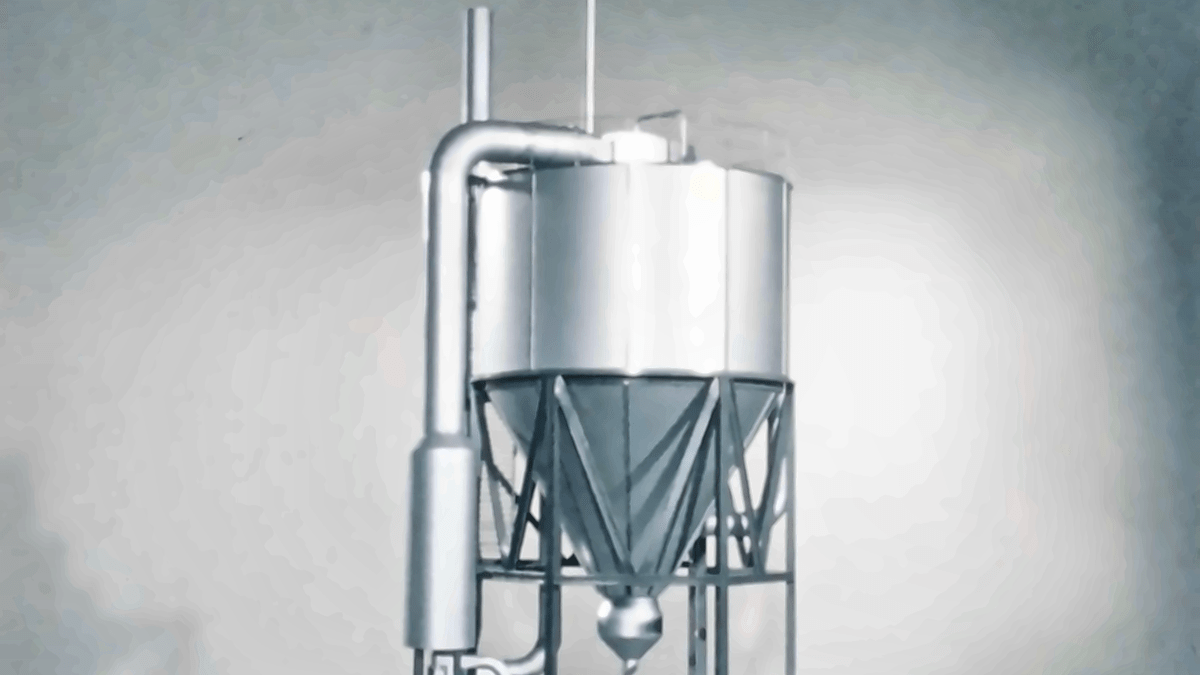
The breakthrough that changed spray drying
In 1976, NIRO engineers responded to a competitive challenge by rethinking what spray drying could do. Their idea became the multi-stage dryer MSD. Fifty years later, the same fundamental principle helps turn liquids into the powders used in essential nutrition products and important medicines around the world. Refined through decades of engineering expertise, customer insight and continuous development, MSD is a story of innovation with lasting impact.

Au-delà des machines : exploiter les gisements de performance des installations
Ce n'est pas parce que vous avez des machines efficaces que votre usine l'est. Une trajectoire d'amélioration efficace commence souvent par une analyse qui ne se limite pas aux équipements pris individuellement, et cherche à comprendre comment les processus, les systèmes énergétiques et les décisions opérationnelles s'influencent mutuellement. C'est une démarche holistique, conçue pour repérer des opportunités qui, sans cela, risqueraient de passer inaperçues.
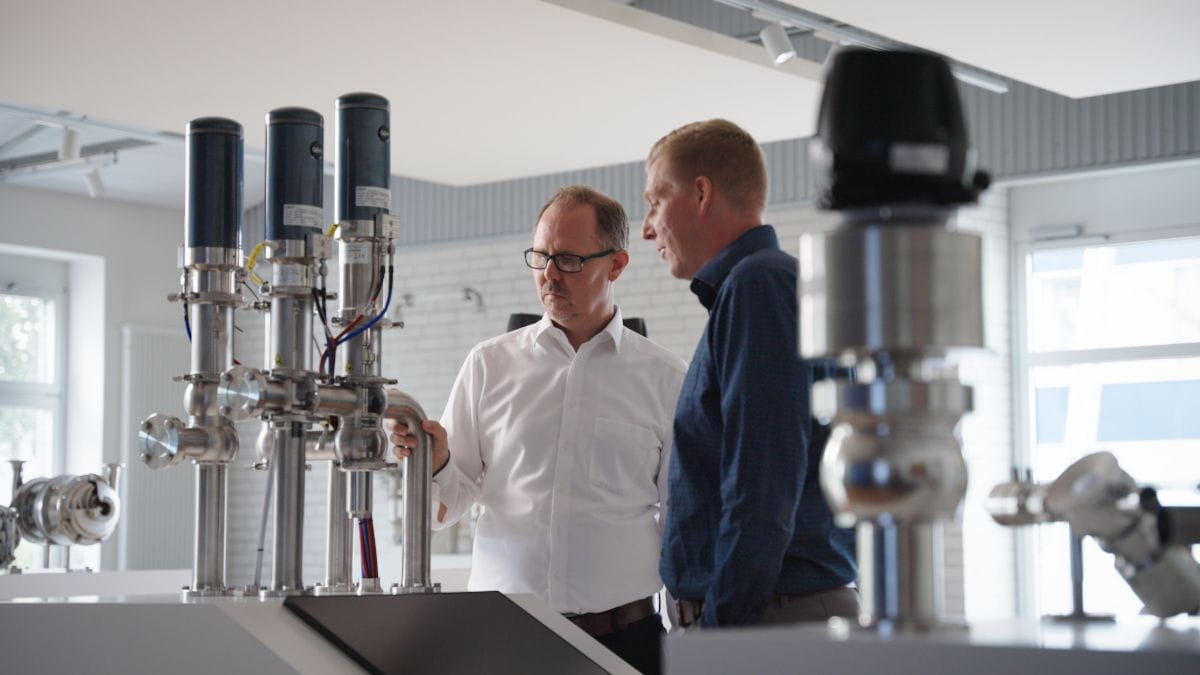
Comment une vanne révolutionne la production des aliments et des boissons
Dans les installations agroalimentaires, les vannes sont généralement actionnées en utilisant de l'air comprimé. La technologie d'actionnement GEA Hydract® Actuation Technology, quant à elle, actionne les vannes en utilisant de l'eau, au sein d'un circuit fermé à commande numérique. Résultat, une vanne peut être maintenue en place de manière exacte et réglée par petits paliers. Cela se traduit par une consommation d'énergie en baisse et un meilleur contrôle.
